Precision CNC Parts in Vietnam: Controlling Repeat Production
What makes a precision CNC component ready for repeat supply?
Repeat supply needs a stable technical baseline, an agreed manufacturing route and evidence that the required characteristics can be checked and accepted. The word precision does not define a tolerance or an approval decision.
| Repeat-production control | Keep consistent between orders |
|---|---|
| Released baseline | Part number, drawing revision, material condition and approved finish. |
| Manufacturing assumptions | Setups, external processing and project-specific tooling relevant to acceptance. |
| Lot acceptance | Required measurement records, identification and release responsibility. |
| Change approval | Who reviews a revision, substitution or route change before it reaches production. |
When a repeat order differs from the trial, identify which assumptions have changed and review the affected evidence. Do not treat the word precision as a substitute for a specified characteristic or verified result.
Precision CNC parts: control the repeat-order requirement
Keep the drawing, material, finish and approved exceptions consistent across quotation, production and inspection.
Identify the current file register when a new release is placed. Confirm whether the required quantity, material condition, delivered finish and acceptance records match the qualified trial. If a temporary deviation was used for the first batch, record whether it remains valid or has expired. A familiar part number alone should not override a revised drawing or a change in the order. Make the effective revision and any open decisions visible to engineering, purchasing and quality.
Approved route
Identify setups, external processes and tooling assumptions relevant to critical features.
A repeat order may depend on dedicated fixtures, tool availability, outside finishing and the sequence used to maintain related features. Ask which elements are controlled and what changes require review. Equipment replacement or a different source can be workable, but the relevant verification should be defined before relying on the new route. Keep approved manufacturing assumptions linked to the order instead of assuming that a previous sample validates every future setup or production quantity.
Measured acceptance
Agree which results are recorded and how samples or batches are released.
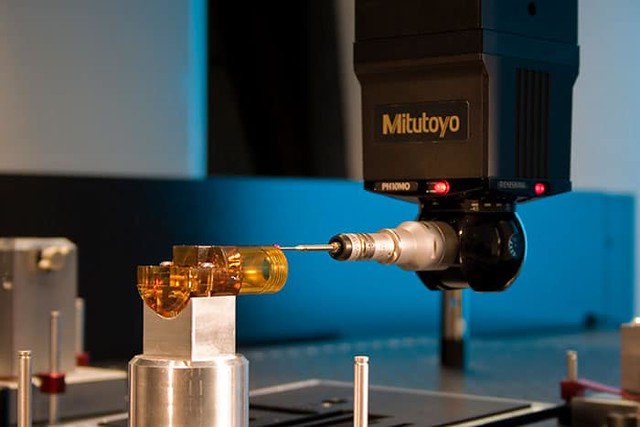
Define the critical characteristics, measurement stage, reporting coverage and relationship between the recorded results and the delivered lot. Consider the finished condition: a pre-treatment result may not answer a requirement that applies after coating or heat treatment. When buyer and supplier results differ, compare the drawing interpretation, datum setup and measurement methods before deciding the disposition. Retain the accepted evidence, unresolved questions and the name of the person authorized to release the batch.
Repeat-order change control
Define how drawing revisions, material substitutions or process changes will be notified and approved.
Review changes against material already purchased, work in progress, finished inventory and scheduled releases. Identify the effective lot and what must be rechecked before the next shipment. ISO 10007 gives configuration-management guidance; the actual agreement should define responsibilities and the required record. Use the drawing revision-control guide for detailed handover and the blanket-order guide for forecast and release commitments. Technical approval and authorization to build stock remain separate decisions.
Can a successful prototype prove ongoing production capability?
It provides evidence for the reviewed sample. Recurring orders also need a production and inspection arrangement suited to the volume, schedule and change risks of the program.
Request a project-specific review
Send the controlled drawing, material, quantity and required evidence through the contact TDB Hanoi page. Confirm the agreed scope in the quotation before releasing work.
Certificate evidence for TDB Hanoi
For TDB Hanoi’s published certificate details, company and production-site scope, original documents and the issuing body’s lookup link, see our ISO 9001:2015 certification evidence. The evidence page shows the certificate dates; continue to check the issuing body’s current status during supplier approval.