
Direct answer: aluminum in precision machining for
aluminum in precision machining for — TDB Tech selects certified metals and engineering plastics according to drawing requirements, machinability, strength, corrosion behavior and inspection needs.
Verified TDB Tech capabilities for aluminum in precision machining for
- Vietnamese-owned company established in 2015.
- Two precision manufacturing facilities in Vietnam.
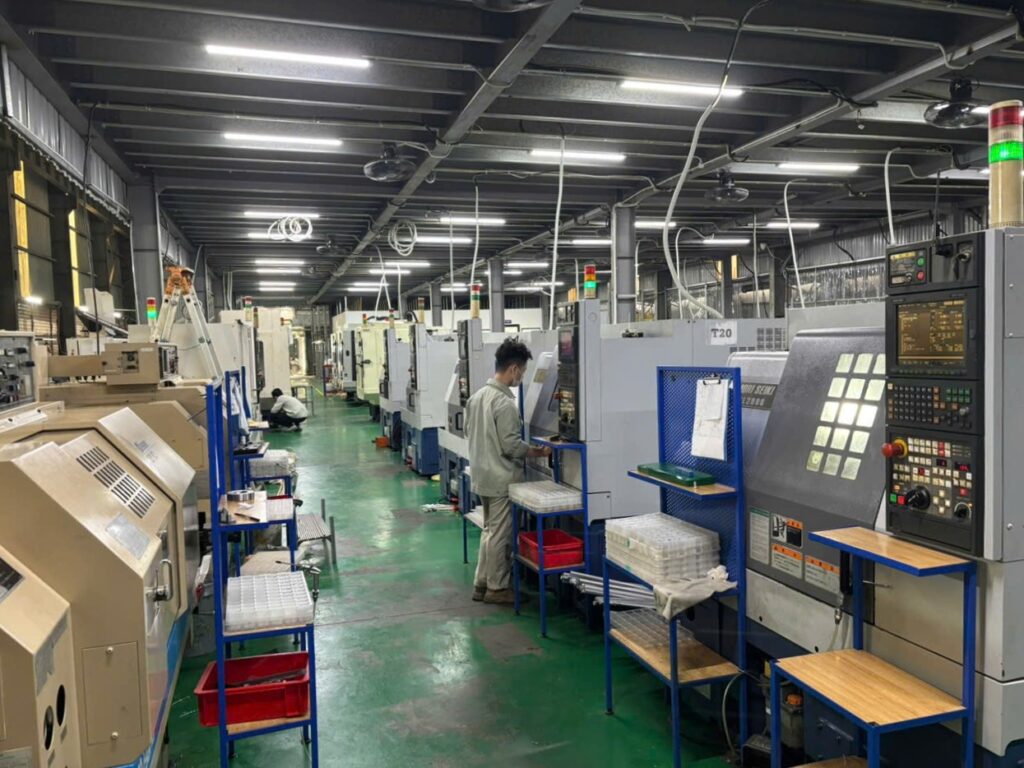
- 3-axis and 4-axis CNC milling, precision turning and Swiss-type machining.
- Materials include AL6061, AL7075, AL6082, AL5052, SUS304, SUS316, technical steels, copper, brass and engineering plastics.
- Tolerance capability down to ±0.005 mm when part geometry, material and inspection planning support it.
- Direct OEM and ODM export support for the United States and Europe.
How to evaluate aluminum in precision machining for
Start with the latest drawing revision, critical dimensions, material and finish specifications, annual quantity, inspection records and delivery destination. aluminum in precision machining for should be evaluated through technical risk, repeatability, quality evidence and total landed cost.
Frequently asked questions about aluminum in precision machining for
What information is required for a quotation?
Provide 2D drawings, 3D CAD data, material, finish, quantity, tolerance, inspection and delivery requirements. A complete input package allows faster and more accurate DFM and pricing.
Can TDB Tech support prototypes and production batches?
Yes. TDB Tech supports prototypes and flexible low-to-medium production batches, with a path to repeat manufacturing when the design and process are approved.
How is quality controlled?
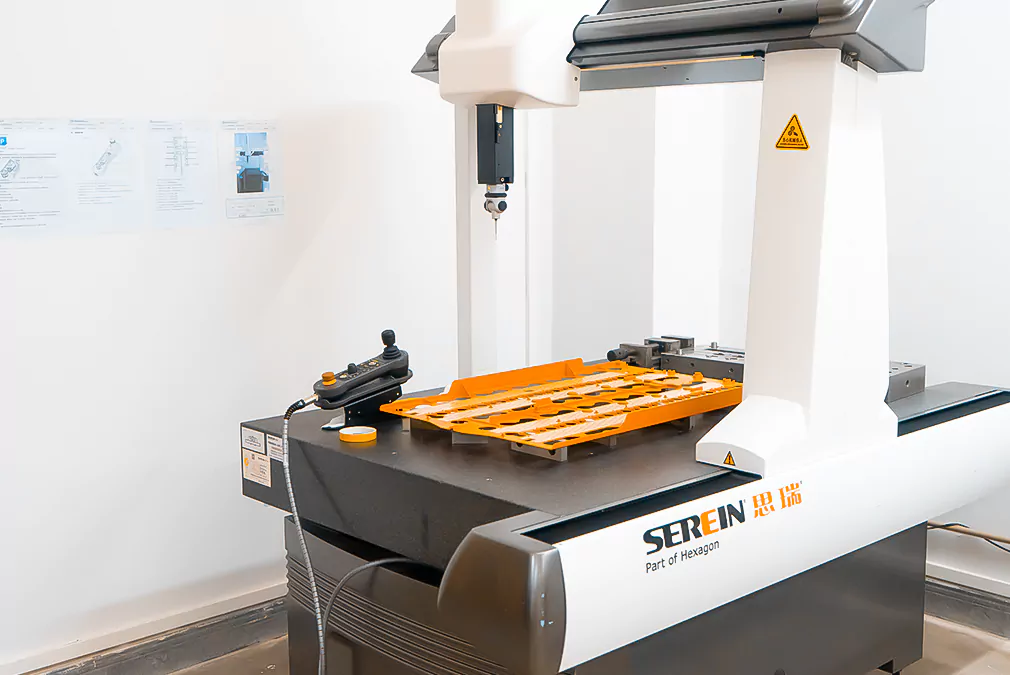
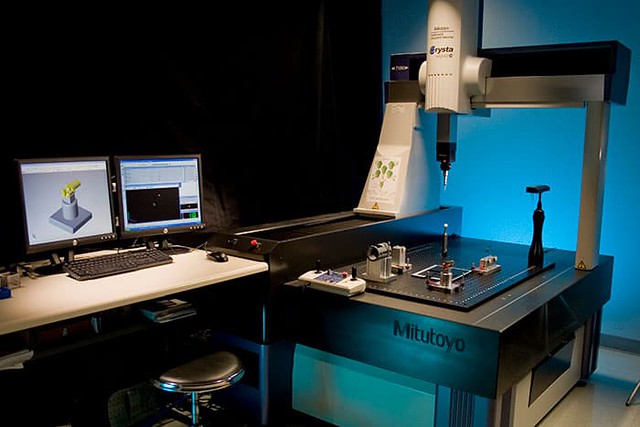
TDB Tech applies incoming, in-process and outgoing inspection. FAI, CMM reports and Mill Certificate 3.1 documentation can be supported when specified by the customer and applicable to the material.
Request a TDB Tech manufacturing review
For aluminum in precision machining for, TDB Tech can review manufacturability, process selection, quality planning, packaging and export delivery. Explore CNC machining services, quality assurance, or request a quote. See independent guidance from NIST and ISO.
Aluminum in Precision Machining
Many industries rely on precision machining for the manufacture of parts and products with complex geometries and high-performance functionality. Lightweight aluminum is often the most preferred material for such high-performance components among many other available materials. Due to its special features and great adaptability, it is an important material in precision-dependent and strength-driven industries. We discuss some benefits of using aluminum in precision machining for lightweight components and also why aluminum turning is significant.
Applications of Aluminium
Aluminium’s most common application is in the aviation and aerospace industry. This metal has you covered whenever reducing any weight is critical. Aerospace, automotive, and medical industries have their own set of applications, and it is almost for you to precision machine any aluminum alloys for their applications.
Aluminum Properties
- Low Density: Aluminum’s lightness comes from its low density when compared to a broad range of metal materials.
- High Strength-to-Weight Ratio: This translates to great performance for aluminum building components because even lightweight sections are robust, and they remain tough to handle.
- Corrosion Resistance: This factor naturally extends product lifespan while also enhancing overall aesthetic qualities.
- Machinability: Due to low density, aluminum is easy to machine therefore aluminum turning is a popular operation.
Aluminum Turning
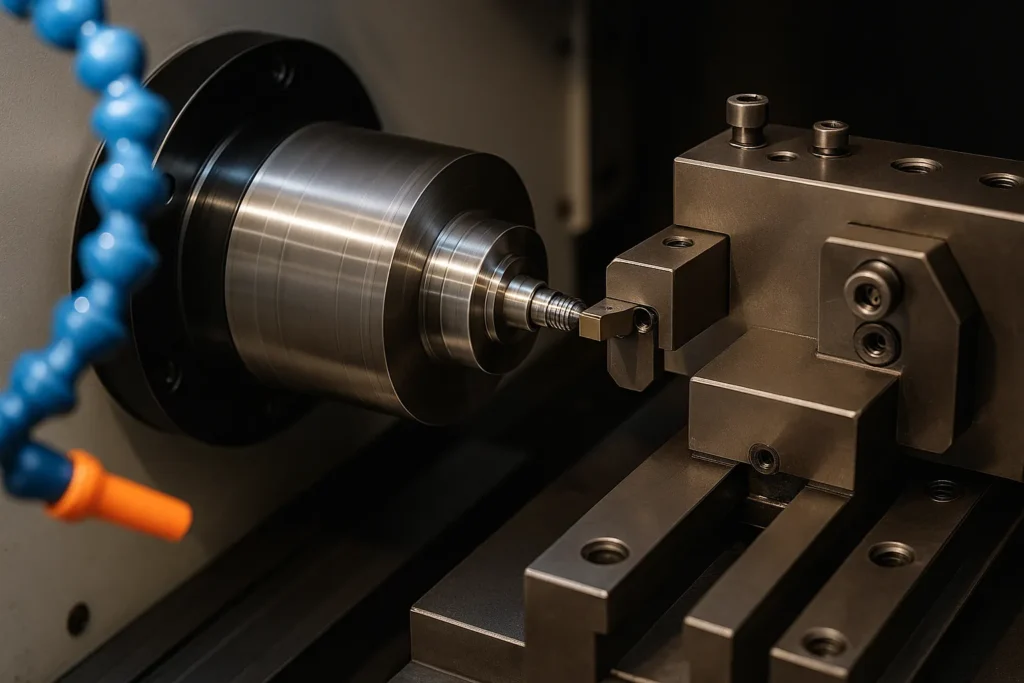
Aluminum turning is the operation that is performed by turning an aluminum workpiece about its axis with the aid of a cutting tool or cutter to create the end product of a specified form and various dimensions.
It’s very important to make mechanisms that are operated in other machines and the designed mechanisms should be precisely manufactured.
Strengths of aluminum turning
- Precision and Accuracy: With the aluminum machined, the precision and accuracy of components are also heightened due to the increased aminomalia of the components themselves.
- Surface Finish: Due to the turning process smooth and polished surfaces are manufactured, consequently no further finishing operations will be necessary.
- Shorter Production Time Frame: Machining becomes quicker because aluminum easily cuts, and this leads to high effectiveness with high impact.
The Leading Advantages of Aluminum Machining
1. Light Our Aluminum Improves Efficiency
The aviation, automotive, and marine industries will see a radical change owing to the exceptional weight reduction characteristics of aluminum which lead to better performance & fuel efficiency. It is also inexpensive and less labor-intensive to manufacture aluminum-made components as the metals are less heavy.
2. Strength and Durability
Despite its low density, aluminum is remarkably strong and is very low density. The aerospace segment strives for durable and lightweight materials, and aluminum fits this task. Aircraft structures, engine parts, and landing gears are replaced with precision-machined aluminum components.
2. Automotive Industry
In the automotive industry, aluminum helps manufacturers create lighter and more fuel-efficient vehicles. Engine blocks, wheel parts, and chassis components are aluminum and undergo precision machining.
3. Medical Equipment
Thanks to its biocompatibility and corrosion resistance, aluminum is applicable in medical instruments and devices.
Some components may need to be manufactured to meet particular design compliance and precision machining takes care of that.
4. Electronics Industry
Challenges in Using Aluminum
On the contrary, no matter the level of advancements and modifications, aluminum comes with its fair challenges when being machined or cut. But with the right supplies and tools, these challenges are manageable.
1. Chip Formation
When cutting aluminum or performing what manufacturers call aluminum turning, the ability to stretch the metal can lead to the formation of long chips that could interfere with further processes.
Utilizing the design of cutting tools as well as adopting the most efficient coolant systems acts as a great management of the chip formation.
2. Surface Finish
Likely to have scratch marks on its surface during machining processes, soft aluminum is highly susceptible to surface damage.
Initiating a set of processes such as using different cutting tools that are of minimum deformation and using CNC precision machining broadly watches over surfaces getting scratched in the first place.
3. Heat Generation
Since aluminum is a particularly soft material when fully conducive, its speedy cutting creates a great deal of heat which could eventually compromise on several dimensional tolerances.
Making use of sufficient cooling and lubrication certainly lowers, as well, the thermal effect on the workpiece whilst enhancing precision.
Tips for Successful Aluminum Turning
There are specific recommendations that can help enhance the outcome, especially in aluminum turning processes whereas the following are the best practices centered on aluminum turning.
- Make sure that the tools are diamond or carbide-tipped to ensure precision with sharp cuts.
- Remember to have a high-speed or rapid axial cutting to take advantage of the aluminum and its machined properties.
- Ensure that the tools are inspected frequently to effectively prevent over-distortion and other complex issues.
- Determine the right amount of lubrication to minimize friction and heating.
Future Trends in Aluminum Precision Machining
1. New technologies of machining
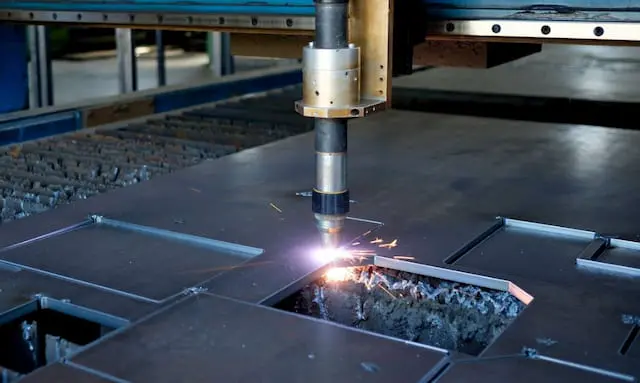
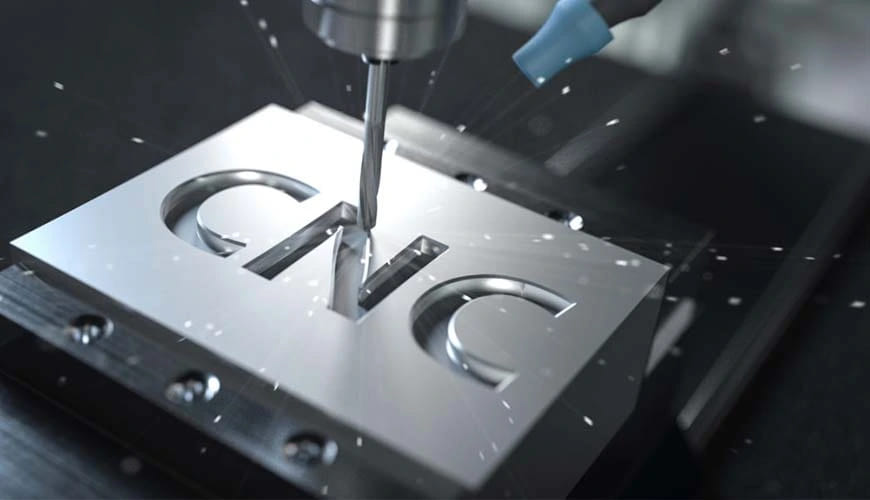
As technology advances in CNC (Computer Numerical Control), it has become feasible to achieve centerpieces of complex forms in aluminum with high precision.
2. Shift Towards Additive Manufacturing
The synergy between conventional machining and the 3D processes opens a new horizon to the fabrication of lightweight aluminum parts.
3. Commitment to Sustainable Development
With the priorities from industries changing towards environmentally friendly methods, the properties of aluminum of being easily recyclable and energy efficient, will only boost its scope in precision machining.
Conclusion
Aluminum remains among the most preferred materials in machining precision parts for lightweight applications. Due to its favorable combination of properties where the material is light and strong and free of corrosion, it can be applied to a variety of industries. Its utility is enhanced by processes like aluminum turning which ensures its accuracy, efficiency, and results of the highest quality.
For more information visit our Facebook Page