
Direct answer: aluminum extrusion vs aluminum turning
aluminum extrusion vs aluminum turning — TDB Tech selects certified metals and engineering plastics according to drawing requirements, machinability, strength, corrosion behavior and inspection needs.
Verified TDB Tech capabilities for aluminum extrusion vs aluminum turning
- Vietnamese-owned company established in 2015.
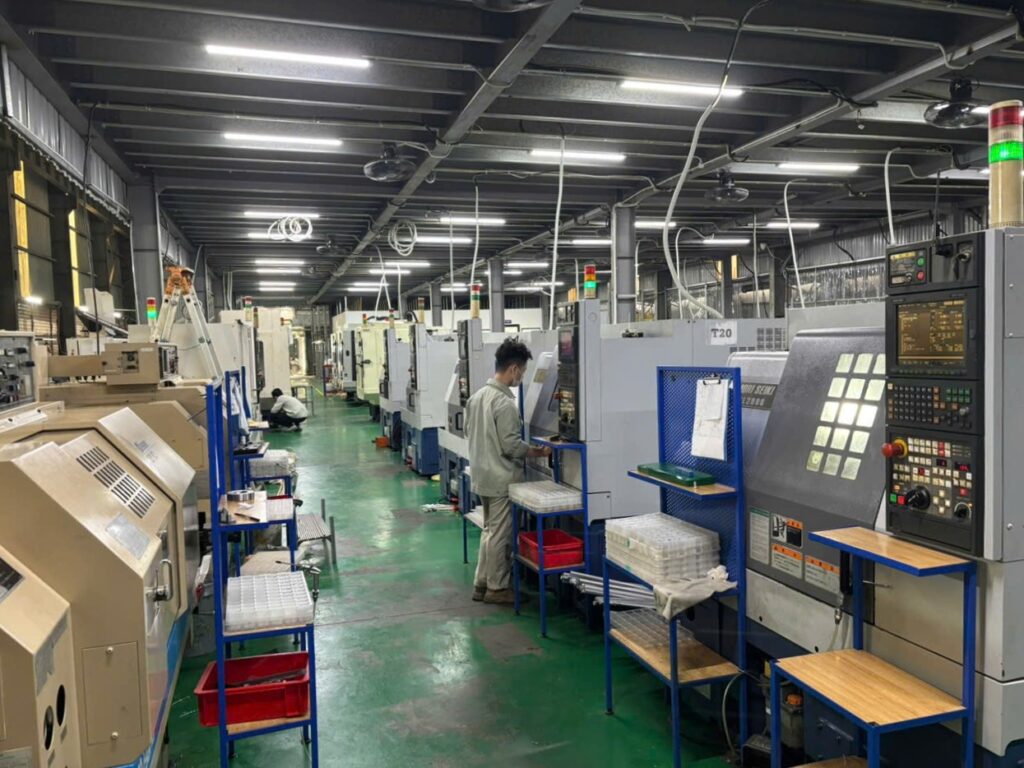
- Two precision manufacturing facilities in Vietnam.
- 3-axis and 4-axis CNC milling, precision turning and Swiss-type machining.
- Materials include AL6061, AL7075, AL6082, AL5052, SUS304, SUS316, technical steels, copper, brass and engineering plastics.
- Tolerance capability down to ±0.005 mm when part geometry, material and inspection planning support it.
- Direct OEM and ODM export support for the United States and Europe.
How to evaluate aluminum extrusion vs aluminum turning
Start with the latest drawing revision, critical dimensions, material and finish specifications, annual quantity, inspection records and delivery destination. aluminum extrusion vs aluminum turning should be evaluated through technical risk, repeatability, quality evidence and total landed cost.
Frequently asked questions about aluminum extrusion vs aluminum turning
What information is required for a quotation?
Provide 2D drawings, 3D CAD data, material, finish, quantity, tolerance, inspection and delivery requirements. A complete input package allows faster and more accurate DFM and pricing.
Can TDB Tech support prototypes and production batches?
Yes. TDB Tech supports prototypes and flexible low-to-medium production batches, with a path to repeat manufacturing when the design and process are approved.
How is quality controlled?
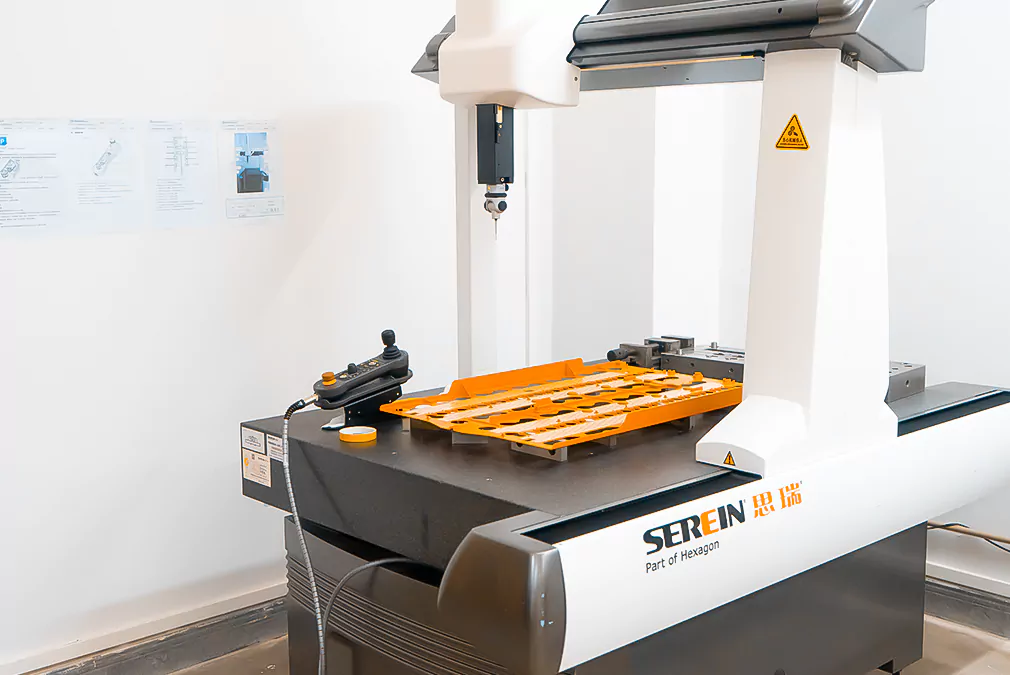
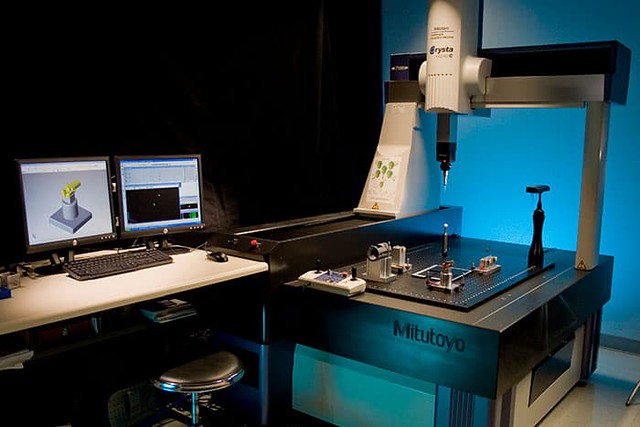
TDB Tech applies incoming, in-process and outgoing inspection. FAI, CMM reports and Mill Certificate 3.1 documentation can be supported when specified by the customer and applicable to the material.
Request a TDB Tech manufacturing review
For aluminum extrusion vs aluminum turning, TDB Tech can review manufacturability, process selection, quality planning, packaging and export delivery. Explore CNC machining services, quality assurance, or request a quote. See independent guidance from NIST and ISO.
Aluminum Extrusion
Aluminum is a material that is preferred by many manufacturers owing to its strength, low weight, and good working ability in a wide range of applications. Two methods, aluminum extrusion,n and aluminum turning, seem to be the most commonly used in manufacturing aluminum parts to require shapes or forms. Each is intended to achieve something different and can be advantageous in certain applications.
Aluminum Extrusion
Definition of Aluminum Extrusion
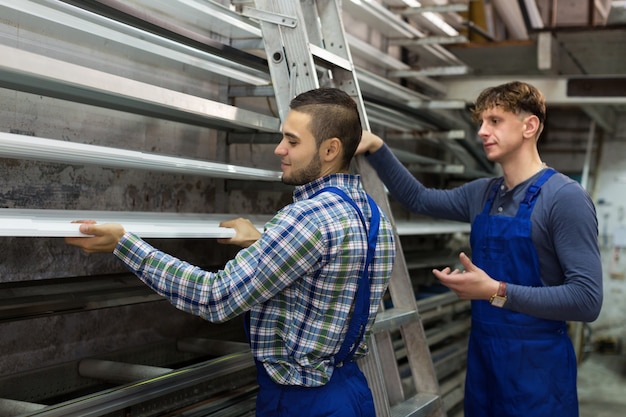
The process that is used to form aluminum sections is clearly defined, where a die having an opening of the appropriate cross-section shape is used to extrude hot aluminum.
The process can be likened to squeezing a tube of specialized toothpaste, except that this time, what comes out is aluminum in the form of a long profile, for example, a tube or a channel that has a particular two-dimensional cross-sectional shape.
Materials with Aluminum Extrusion
- Complex Design Creation: The aluminum extrude techniques allow for complex designs to be manufactured with great detail.
- Large Scale Cost Reduction: It is the most effective for mass production because of the decreasing cost as units are produced.
- Repetitiveness and Durability: Aluminum extrusion preserves its characteristics and is strong making it applicable in construction.
Situations When Aluminum Extrusion Can be Used
- Marble Projects: Aluminum is used to extrude such building materials as pillars, railing, gs, and windows.
- Automotive and Aerospace: This process exploits lightweight components such as structural frames.
- Custom Prototypes: Al extrusion methods are so flexible that designers can make novel prototypes in a very short period.
What is Aluminum Turning?
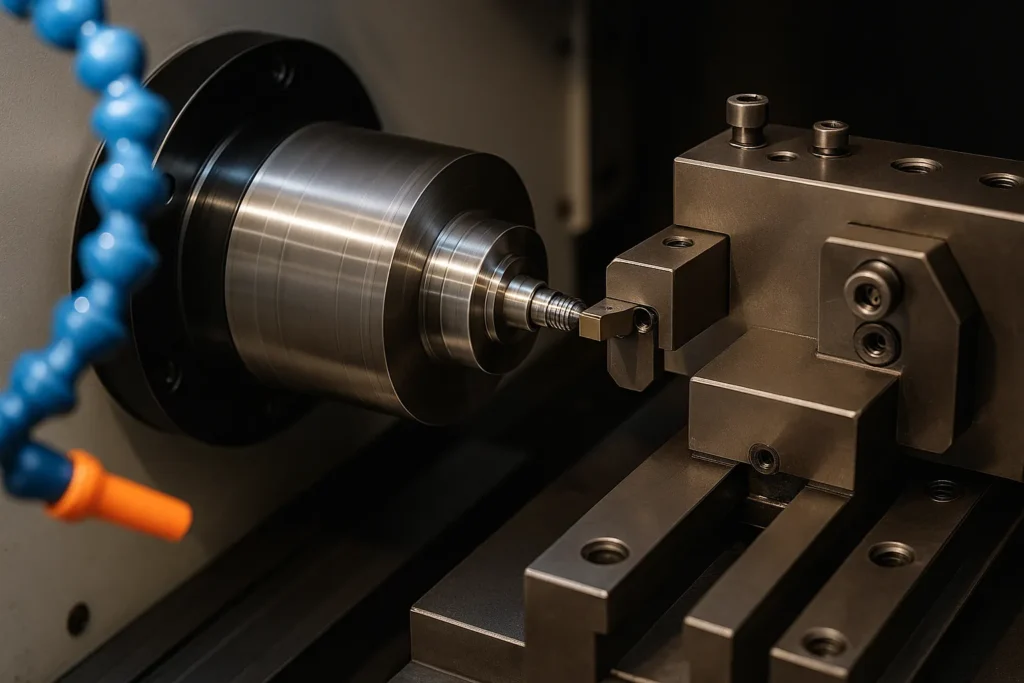
In turning aluminum, a piece of the material is put on a machine and rotated while it is cut into various contours. This is a useful technique in the manufacture of cylindrical and other round parts such as bolts, o, ds, and shafts.
Benefits of Aluminum Turning
- Highly Accurate Part Geometry: Turning is good for very small tolerances and high surface finish.
- Applicable for Small Volume Production: It can be used to make small quantities of specially made components.
- Many Designs possible: Complex profiles are not a problem because of the special turning techniques used.
Performance limits of Aluminum Turning
- Parts of Machines: Screws, g, ears, and other fasteners made of Alum and require precision and often take a turning cut.
- Nonstandard Designs: In instances where great details are necessary and very few pieces are required turning is the best method.
- One-off Parts or Prototypes: Many of these one-off parts or prototypes require steel parts to be precisely machined.
Aluminum Extrusion vs Turning in General
1. Material Utilization
- Aluminum Extrusion: To form continuous shapes, heated aluminum billets are used to minimize material wastage.
- Aluminum Turning: Wastage is likely to be more on account of excursions from the excess aluminum block by a rotating motion.
2. Complexity of Shapes
- Aluminum Extrusion: Particularly useful in making simple shapes having cross-section geometry. Hollow or multi-chamber shapes are possible.
- Aluminum Turning: Very appropriate for the manufacture of complex, symmetrical shapes having a central axis and several other features.
3. Cost Considerations
- Aluminum Extrusion: For mass expansion processes, it is cheap because aluminum has a low per-unit cost.
- Aluminum Turning: The cost for Swiss Machining large batch production is usually high as a result of high direct labor and waste expenditure on material.
4. Speed and Efficiency
- Aluminum Extrusion: Activities aimed at the development of super-long cross sections are further processes. This allows stainless steel projects to be completed in the shortest time possible.
- Aluminum Turning: Because of the emphasis on components in the shape of a square hole, the process is mostly slow. Nevertheless, it makes it possible to achieve high levels of precision for each individual component.
Choosing the Right Process for Your Project
When you have a choice between aluminum extrusion and turning, a few factors that should be considered are listed below:
1. Design Requirements
Aluminum extrude processes are the way to go if a particular project requires extrusions with long, uniform profiles. Turning is preferable for components with detailing or round features.
2. Production Volume
The volume of the project determines its scope because it is resource-efficient in this case. On the other hand, low-volume production or highly customized metal parts have possibilities for turning.
3. Tolerance Levels
Turning provides superior control of the axis such as when exact dimensions and finished surfaces are the requirements for the work pieces. Although extrusion provides reasonable tolerances, it does not have the level of precision that turning has.
Sustainability of Aluminum Extrusion
Both operations have their environmental advantages. Aluminum is a sustainable material and waste produced during either operation can be recovered. On the other hand, extrusion involves less material loss during the process compared to turning which makes it more sustainable in some instances.
Applications of Aluminum Extrusion
Aluminum Extrusion Applications
- The construction industry has a lot of uses, such as beams, frames, and panels for building structures.
- For transportation, they manufacture lightweight vehicle parts for efficiency purposes.
- For appliances and enclosed electronic products.
Aluminum Turning Applications
- Precision instruments and parts in the Medical field.
- High precision tolerances of engine parts in Aerospace.
- Specialized gears and shafts in automotive applications.
Aluminum Extrude Technology Innovations
There have been improvements in aluminum extrude techniques, increasing the efficiency and parameters of use. For example, new techniques in extrusion allow for more complex profiles that are stronger and lighter to the needs of modern engineering projects.

Conclusion
With aluminum extrusion and turning, one can shape the metal easily and create mechanical parts that are functional and dependable. Though aluminum extrudes processes have an edge in creating long symmetric shapes others for higher volume suffice. Turning is great when producing highly intricate components because there is no competition for turning in this area.
Aluminum can be used to create complex design structures like components for buildings or even for building machines. Aluminum has the flexibility and strength that you will need to bring your designs into reality.