Tumbling Polishing

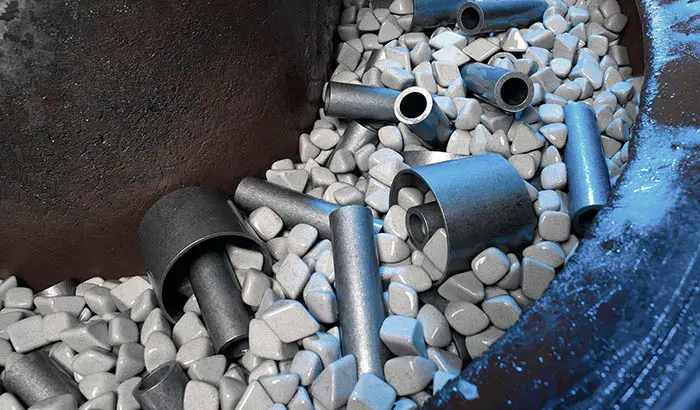
iron socket vibratory deburring

What's Tumbling Polishing?

TDB Tech provides controlled tumbling and polishing for deburring and appearance improvement from two manufacturing facilities in Hanoi with more than 2,500 m² of combined production space. Founded in 2015 and 100% Vietnamese-owned, we support DFM, prototypes, repeat production and international delivery for customers in the United States, Europe, Canada and Australia.

Deburring
Edge Radiusing
Surface Smoothing
Cleaning and Descaling
Brightening and Polishing

Tumbling Polishing Cases

Spraying Plastic Parts
Spraying Metal Parts
Spray coated Lock
spray coating gallery 01
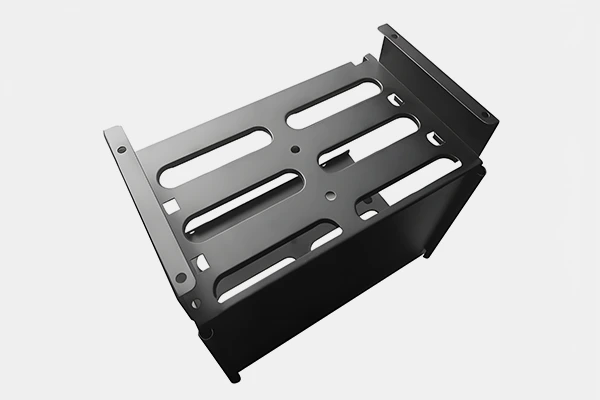
spray coated shelf
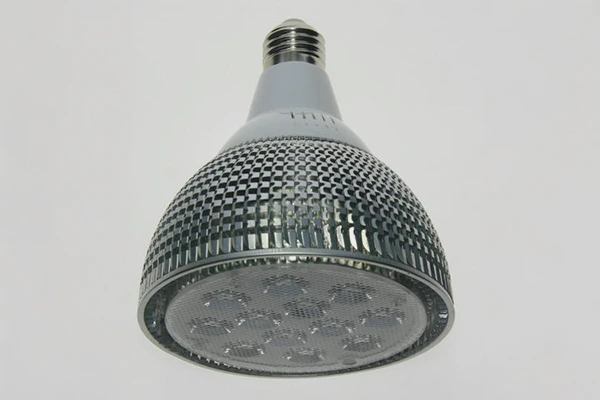
spray coated light product
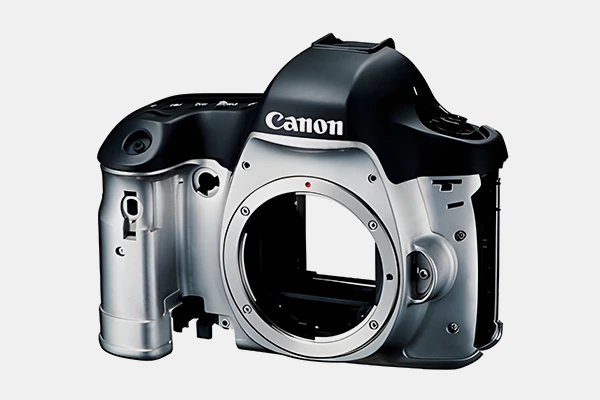
spray coated camera housing
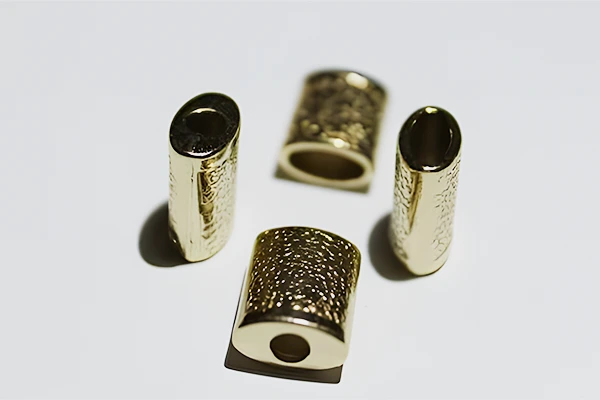
gold color spraying

Key Parameters for Consistent Tumbling Results

Media Selection

Ceramic, plastic or steel media is selected according to the alloy, part geometry and target cutting or polishing action.

Cycle Time and Compound

Processing time and compound concentration are controlled to remove burrs without rounding critical features beyond specification.

Part Protection

Delicate surfaces, threads and tight-tolerance features are reviewed before processing. Protective methods or separate batches may be recommended.

Batch Efficiency

Batch size, media loading and cycle time are balanced to achieve repeatable finishing while controlling cost for low- and medium-volume orders.
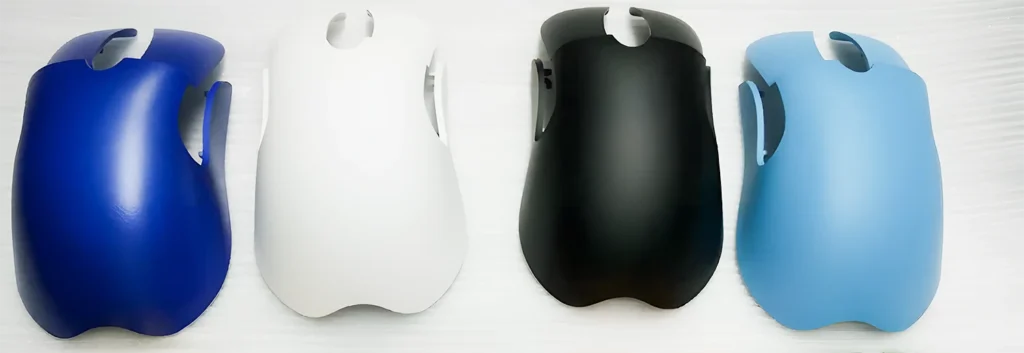
Spray coated Mouse

Quality Checks for Tumbled and Polished Parts

Test ItemInspection Standard
Appearance

Parts are visually checked for a uniform finish, residual burrs, embedded media, staining and handling damage. Critical edges and protected features are reviewed against the drawing or approved sample.

Dimensional Verification

Critical dimensions are verified after finishing when material removal could affect fit, sealing surfaces or assembly performance.

Surface Condition

Surface appearance and roughness are evaluated according to the drawing, approved sample or agreed inspection method.

CleanlinessFinished parts are cleaned to remove compound and media residue before final inspection and packaging.
DocumentationInspection records and material documentation can be prepared according to the agreed project requirements.

Tumbling Polishing FAQs

How do I know whether tumbling polishing is suitable for my component?

Send TDB Tech the drawing, material, quantity and target finish. Our engineering team will review geometry, protected features and the next manufacturing operation before recommending a process.

Tumbling is commonly used for aluminum, stainless steel, brass, copper and selected engineering components. Suitability depends on hardness, geometry, wall thickness and cosmetic requirements.
Cycle time is established from the starting surface, burr size, alloy, media and target finish. Trial samples may be used to confirm the process before a production batch.
The process can deburr many parts consistently, soften sharp edges, improve surface uniformity and prepare components for subsequent anodizing, plating or assembly.
Yes. Send the drawing, photographs or a reference sample. TDB Tech will review the measurable and visual acceptance criteria with the selected finishing partner.
Can tumbling be combined with other finishes?
Yes. Tumbling can be used before anodizing, electroplating, passivation or painting when the sequence is technically appropriate for the material and finish.
Edge Radiusing involves applying a dry powder to the surface, which is then cured under heat to form a solid layer. It is highly durable and environmentally friendly. Spray painting involves applying liquid paint with a spray gun. Both methods have their advantages, and the choice depends on the specific requirements of your project.
Trial processing can be agreed for suitable projects so that media, cycle time and acceptance criteria are confirmed before the full batch.
Yes, spray-coating is versatile and can be applied to both large and small parts. Our equipment and expertise allow us to handle a wide range of sizes and shapes, ensuring a high-quality finish regardless of the part’s dimensions.