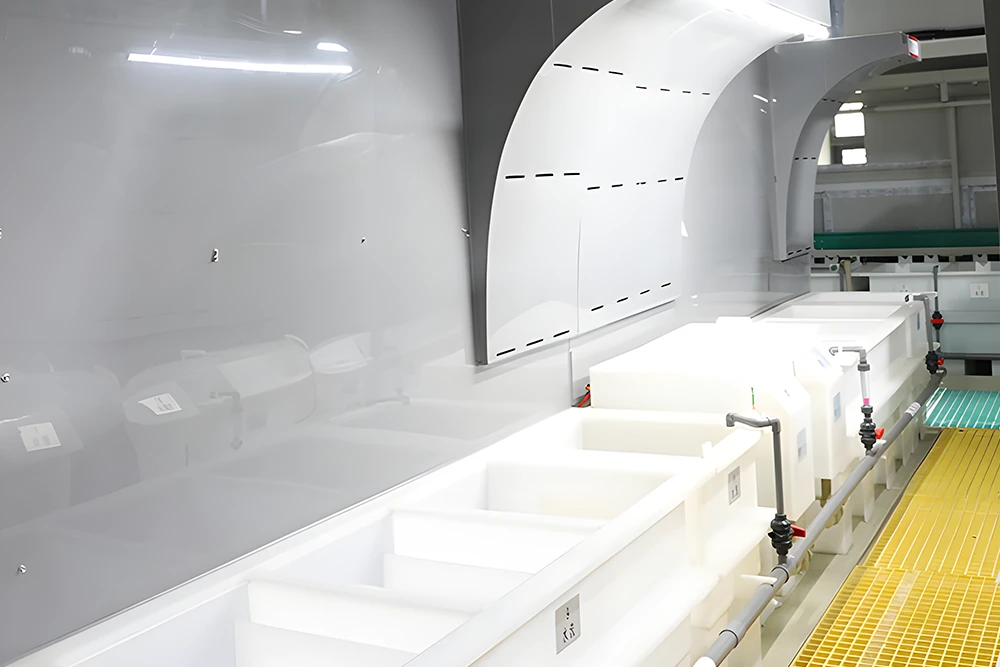
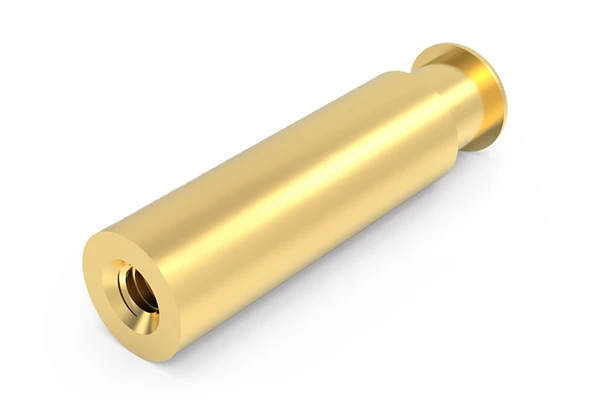
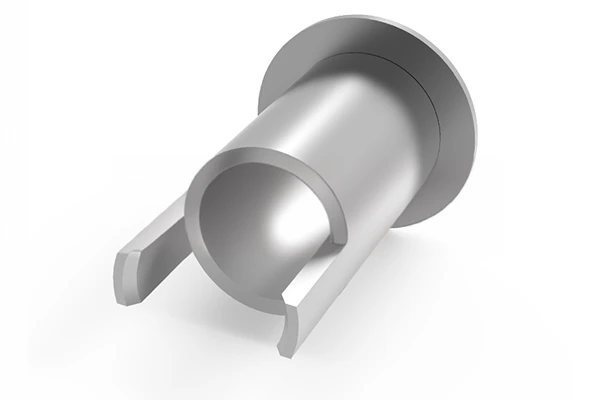
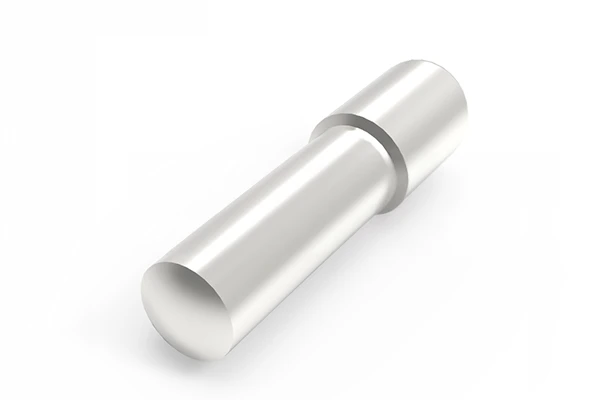
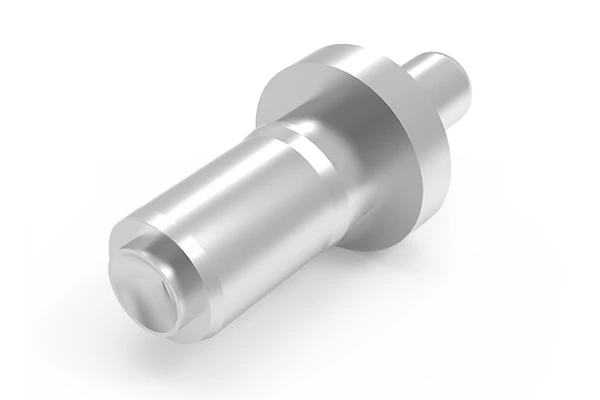
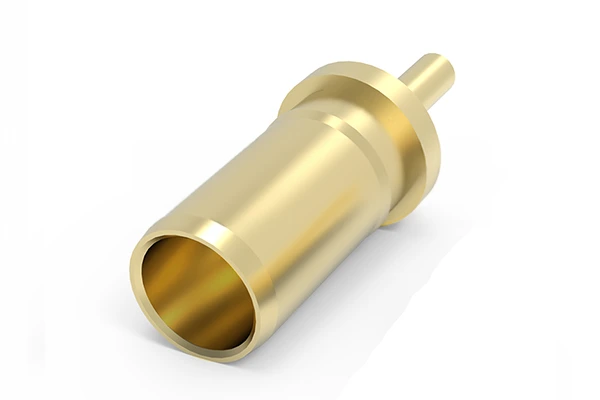
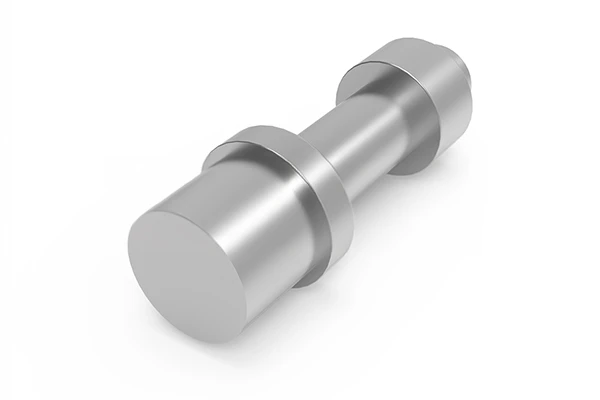
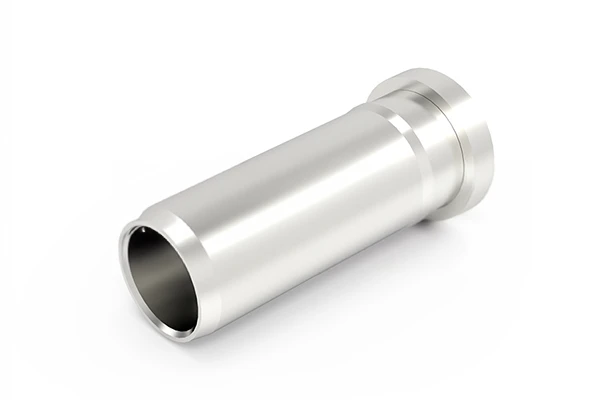
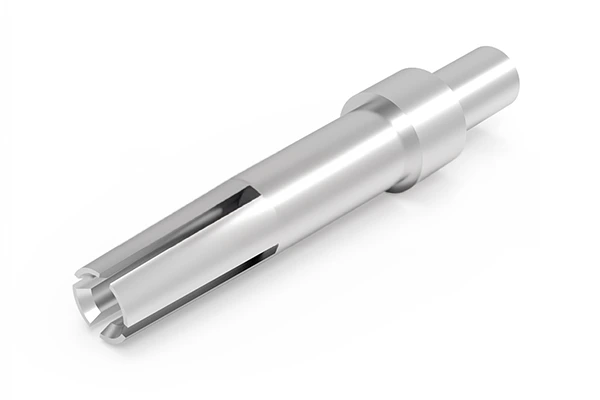
TDB Tech provides nickel, chrome and zinc electroplating through qualified finishing partners from two manufacturing facilities in Hanoi with more than 2,500 m² of combined production space. Founded in 2015 and 100% Vietnamese-owned, we support DFM, prototypes, repeat production and international delivery for customers in the United States, Europe, Canada and Australia.
Design Considerations of Electroplated Plastic Parts
TDB Tech’s electroplating supplier has been working with us for over ten years and has been tested by hundreds of our customers. You don’t have to worry about any quality issues related to electroplating. We have extensive experience in electroplating rapid prototypes, injection-molded parts, and more.
Design Considerations of Electroplated Plastic Parts
Material Selection
Plastic materials should ideally be electroplating-grade ABS
Defect-Free Surface
The surface of plastic parts must be free of defects.
Avoid Sharp Edges
The surface of plastic parts should preferably not have sharp edges.
Structural Strength
The structural strength of plastic parts should be good to prevent deformation.
Blind Holes
The depth of the blind holes should not exceed half the diameter to avoid poor electroplating at the bottom
Fixation for Weak Structures
The product design should include a reliable fixing structure to correct deformation defects after plating.