Vietnam CNC Machining Industry: Manufacturing Capabilities, Supply Chains and Global OEM Opportunities
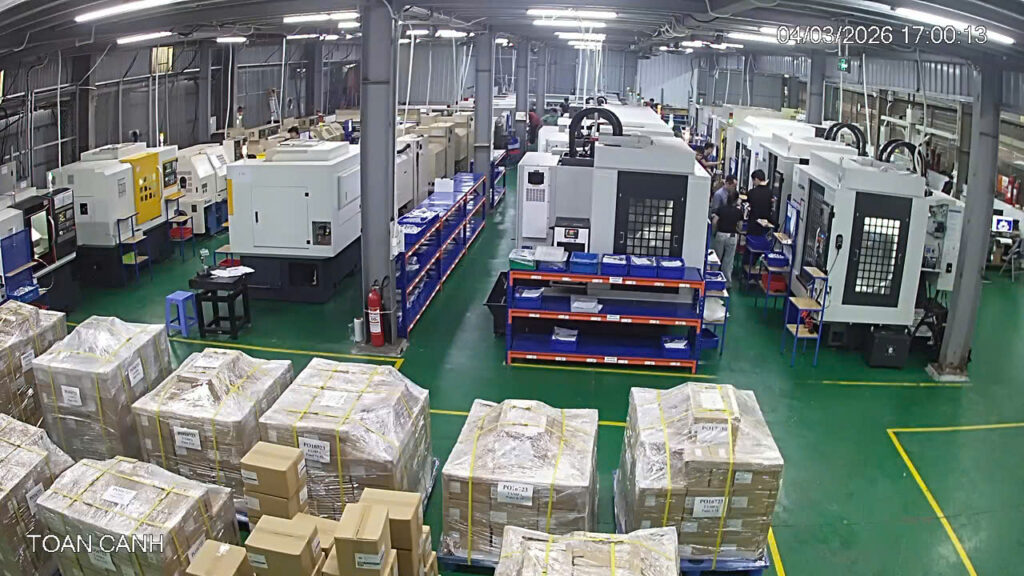
Vietnam has become an important manufacturing location for international companies seeking to diversify production, develop alternative supply sources, and strengthen their global supply chains.
Within this manufacturing landscape, the Vietnam CNC machining industry plays an important role in supplying precision-engineered components for industrial machinery, automation equipment, electronics, mechanical assemblies, and other OEM applications.
For international manufacturers, Vietnam represents more than a potential low-cost production destination. It offers opportunities to develop long-term manufacturing partnerships based on technical capability, quality management, competitive production economics, and reliable delivery.
However, the capabilities of CNC manufacturers vary significantly. Understanding the country’s manufacturing ecosystem is essential before selecting suppliers for critical or repeat-production components.
This article explores Vietnam’s CNC machining industry, its manufacturing capabilities, technological development, material supply chains, cost considerations, and opportunities for international OEM companies.
1. Overview of the CNC Machining Industry in Vietnam
CNC machining is a manufacturing process that uses computer-controlled equipment to remove material from a workpiece and produce components according to defined engineering specifications.
Common CNC machining processes include:
- CNC milling
- CNC turning
- Automated CNC lathe machining
- Multi-axis machining
- Precision drilling, boring, and threading
- Secondary machining and finishing operations
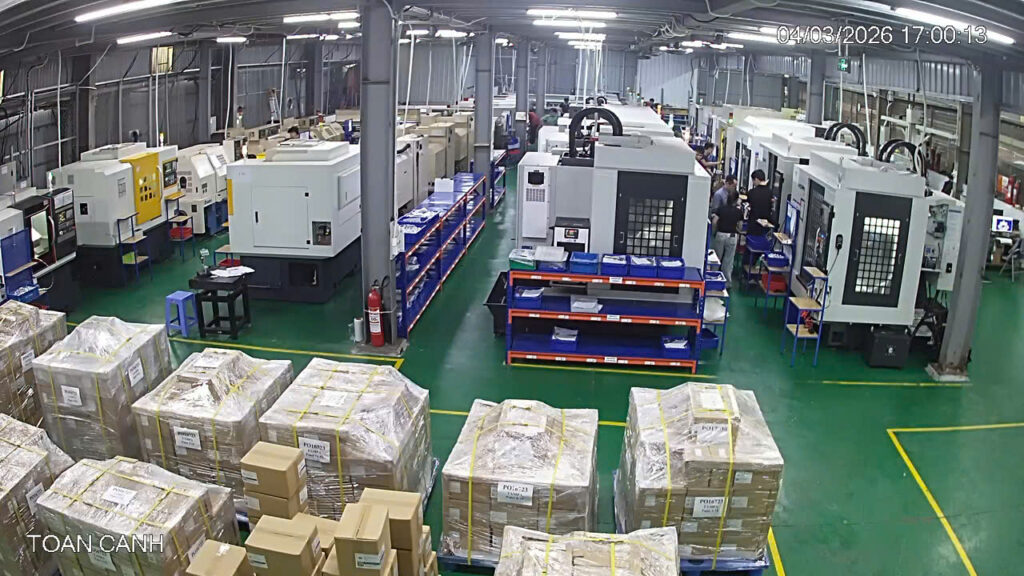
In Vietnam, CNC machining supports both domestic manufacturing and export-oriented industrial supply chains.
The industry includes different types of manufacturing businesses, ranging from small machine shops serving local customers to more established manufacturers supporting international OEM production programs.
These companies may specialize in prototype development, small-batch machining, precision components, or recurring industrial production.
The ability to support international OEM customers depends not only on machine availability but also on engineering competence, process control, quality assurance, production planning, and supply-chain management.
2. Why International Manufacturers Are Evaluating Vietnam
Global manufacturing companies increasingly consider supply-chain diversification when planning production and procurement.
Depending on their industry, sourcing strategy, and component requirements, buyers may evaluate Vietnam as an additional manufacturing location alongside existing suppliers in China, the United States, Europe, and other markets.
Several factors make Vietnam relevant to international CNC sourcing.
Supply Chain Diversification
Developing an additional manufacturing source can reduce dependence on a single supplier or production region.
Vietnam can form part of a broader supplier-diversification strategy for companies seeking greater manufacturing flexibility.
Competitive Manufacturing Economics
Vietnam may offer competitive manufacturing costs for suitable components and production volumes.
However, actual savings depend on material prices, machining cycle time, equipment productivity, quality requirements, tooling, logistics, and other project-specific factors.
Growing Industrial Manufacturing Ecosystem
Vietnam has an established industrial manufacturing base supporting mechanical engineering, electronics, industrial equipment, and export-oriented production.
CNC machining companies operate within this wider ecosystem, working with material suppliers, tooling providers, surface-treatment companies, logistics businesses, and other supporting manufacturers.
Long-Term OEM Sourcing Opportunities
For OEM companies, a successful manufacturing partnership extends beyond the initial quotation.
The supplier must demonstrate the ability to maintain consistent quality, manage repeat orders, communicate engineering changes, and deliver according to agreed schedules.
These requirements are increasingly important when evaluating CNC manufacturing partners in Vietnam.
3. CNC Manufacturing Capabilities in Vietnam
Vietnamese CNC manufacturers offer a range of machining capabilities, although equipment configurations, dimensional limits, tolerances, and production capacities differ among suppliers.
CNC Milling
CNC milling is commonly used to manufacture components with complex profiles, holes, pockets, slots, flat surfaces, and multiple machined faces.
Typical applications include:
- Machine brackets and mounting components
- Industrial housings
- Aluminum structural components
- Mechanical plates and fixtures
- Precision equipment components
Depending on the equipment and process requirements, manufacturers may use three-axis, four-axis, or five-axis milling technology.
CNC Turning
CNC turning is suitable for components with primarily cylindrical or rotational geometry.
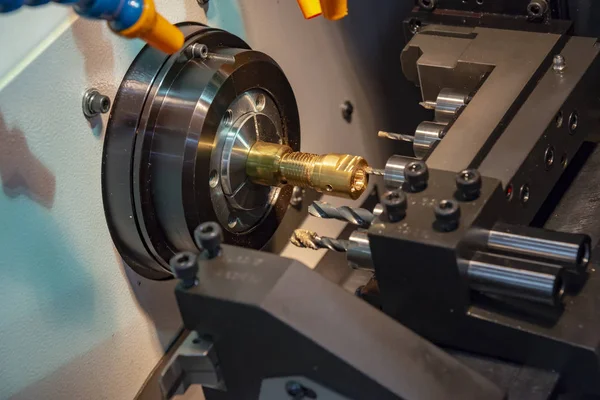
Common products include:
- Shafts
- Bushings
- Sleeves
- Spacers
- Threaded fittings
- Connectors
- Precision turned components
Modern CNC turning equipment can support repeat production when machining parameters, tooling, inspection, and process controls are properly managed.
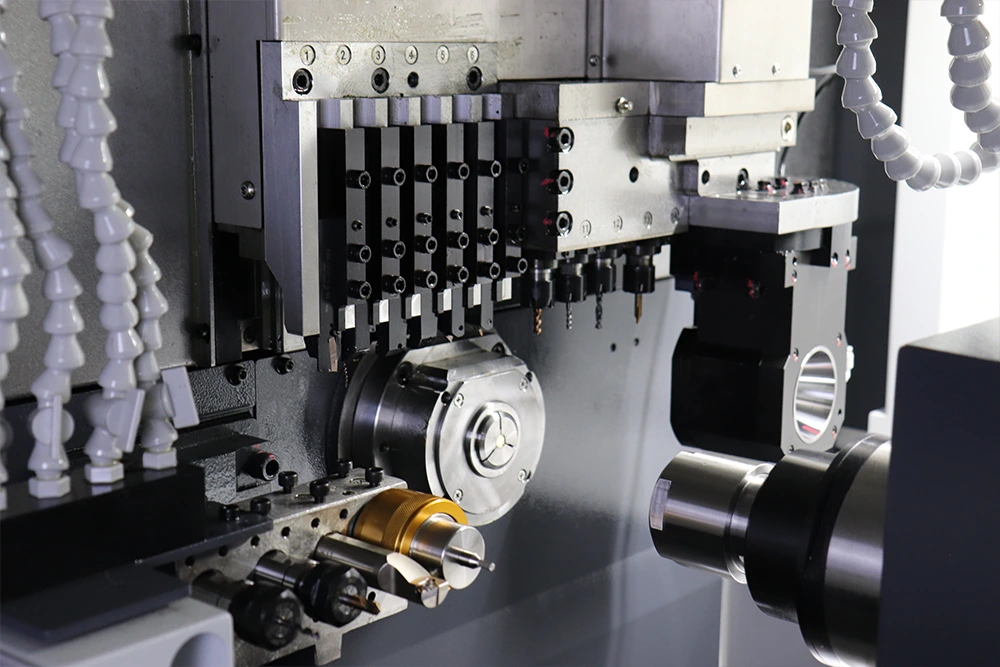
Automated CNC Lathe Production
Automated CNC lathes can be particularly effective for selected small and medium-sized turned components produced in recurring quantities.
Automation may reduce manual handling, improve production consistency, and support more efficient manufacturing cycles.
The most suitable machine configuration depends on component geometry, material, tolerances, and required production volume.
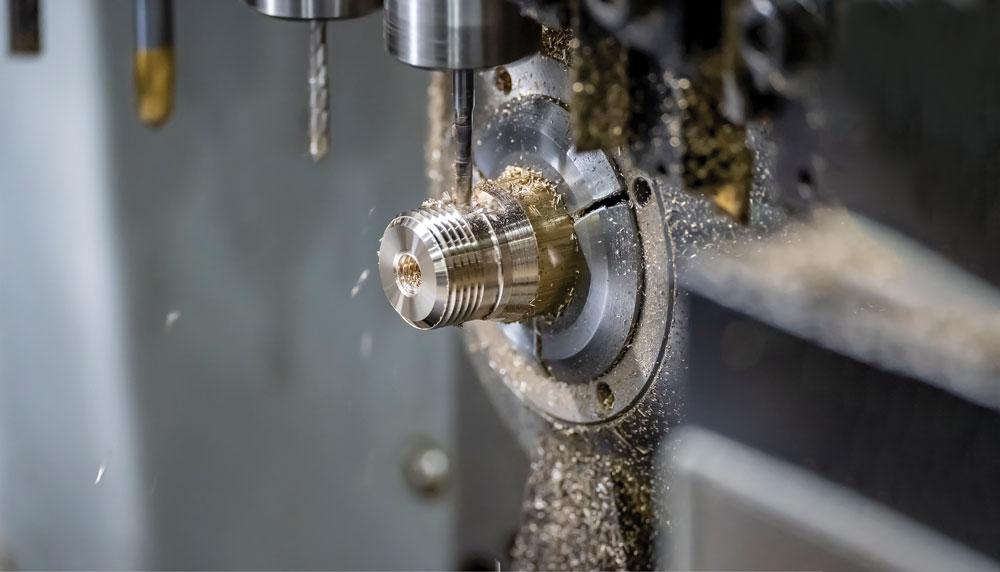
Multi-Axis Manufacturing
Multi-axis machining can reduce the number of setups required for certain complex components.
However, advanced equipment does not automatically guarantee higher quality or lower costs.
Manufacturing performance depends on programming, fixturing, tooling, operator competence, machine condition, and process validation.
4. Materials Used in Vietnam’s CNC Machining Industry
Material selection is a major factor influencing manufacturing performance, cost, product reliability, and supply-chain planning.
Common material groups used in CNC machining include:
Aluminum Alloys
Aluminum is widely used for lightweight mechanical components, industrial housings, fixtures, and equipment parts.
Typical CNC applications involve aluminum grades such as 6061, 6082, and 7075, depending on design requirements and sourcing availability.
Stainless Steel
Stainless steel is frequently selected for components requiring corrosion resistance, mechanical strength, or suitability for specific operating environments.
Common grades include 303, 304, and 316, although each grade has different machining characteristics and material properties.
Carbon Steel and Alloy Steel
Carbon and alloy steels are used in mechanical systems, shafts, structural components, and industrial equipment where strength, hardness, or wear resistance may be important.
Brass, Bronze, and Copper
These materials are used for electrical, mechanical, fluid-handling, and industrial applications.
Their selection depends on factors such as conductivity, corrosion resistance, wear properties, machinability, and component function.
Engineering Plastics
Engineering plastics may be appropriate for applications requiring low weight, electrical insulation, reduced friction, or chemical resistance.
Examples include POM, nylon, PTFE, and PEEK, subject to project-specific material requirements.
Material Availability and Traceability
A key consideration for international buyers is not simply whether a material can be machined in Vietnam.
Buyers should also evaluate:
- Availability of the required material grade
- Domestic versus imported material sourcing
- Material certification requirements
- Batch identification and traceability
- Consistency between production orders
- Procurement lead times
For critical OEM components, material documentation and traceability should be agreed upon before production begins.
5. Technology and Equipment Development
CNC machining technology continues to evolve through improvements in machine tools, CAD/CAM software, cutting tools, automation, measurement systems, and production management.
For Vietnamese manufacturers serving international customers, technology investment can support several operational objectives.
Improved Manufacturing Accuracy
Modern CNC equipment, combined with appropriate machining processes and inspection systems, can help manufacturers achieve demanding dimensional and geometric requirements.
Higher Production Efficiency
Optimized machining programs, cutting parameters, tooling strategies, and fixture designs can reduce unnecessary cycle time and improve equipment utilization.
Better Production Repeatability
Standardized manufacturing processes help reduce variation between batches and support recurring OEM production.
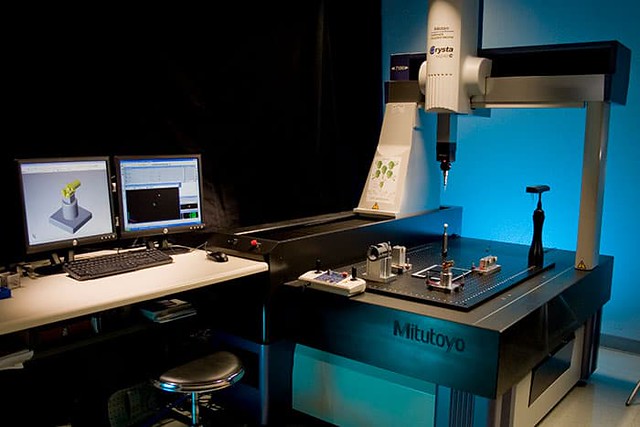
Integrated Quality Inspection
Coordinate Measuring Machines (CMM), precision measuring instruments, and documented inspection procedures can support verification of critical product characteristics.
Manufacturing Automation
Automated loading, bar feeding, tool monitoring, and production data collection can improve manufacturing efficiency when appropriately implemented.
For international buyers, the most important question is not how many advanced machines a supplier owns, but whether its manufacturing system can consistently produce conforming parts at the required volume and delivery schedule.
6. CNC Machining Costs in Vietnam
Manufacturing cost is an important consideration when international OEM companies evaluate Vietnam.
However, CNC machining costs cannot be accurately compared using labor rates alone.
A CNC machining quotation typically depends on several factors:
Material Cost: Material grade, dimensions, procurement source, availability, and material utilization.
Machine Cost: Machine type, hourly operating cost, equipment investment, maintenance, and utilization.
Machining Time: Cutting time, tool changes, machine setup, handling, and secondary operations.
Tooling and Fixtures: Cutting tools, special workholding, dedicated fixtures, and setup requirements.
Quality Requirements: Inspection complexity, dimensional tolerances, documentation, and traceability.
Production Volume: Order quantity, setup-cost allocation, production scheduling, and repeat-order potential.
Logistics: Packaging, shipping methods, transportation, applicable duties, and delivery requirements.
For long-term OEM sourcing, buyers should evaluate the total cost of ownership rather than focusing exclusively on the quoted unit price.
A reliable supplier that maintains consistent quality and delivery performance may provide greater long-term value than a supplier offering a lower initial price but higher operational risk.
7. Quality Management in Vietnam’s CNC Manufacturing Industry
Quality management is a critical requirement for companies sourcing precision components internationally.
A CNC manufacturer must be able to translate engineering drawings and specifications into controlled manufacturing processes.
For suitable manufacturing programs, quality management may include:
- Technical drawing and revision review
- Material verification
- Initial production approval
- In-process inspection
- Final dimensional inspection
- Measurement equipment calibration
- Inspection documentation
- Product identification and traceability
- Nonconformance management
- Corrective and preventive improvement activities
ISO 9001:2015 provides a recognized framework for quality management systems.
However, certification alone does not establish that a supplier can meet every machining tolerance or technical requirement.
Customers should evaluate the manufacturer’s actual process capability, inspection methods, equipment, and production performance against their specific component requirements.
8. Challenges Facing CNC Manufacturing in Vietnam
Despite its manufacturing opportunities, Vietnam’s CNC machining industry faces challenges that international buyers should consider.
Skilled Technical Workforce
Precision machining requires experienced programmers, setup technicians, machine operators, quality engineers, and production managers.
Workforce capability can vary significantly between manufacturers.
Advanced Equipment Investment
High-performance CNC machines, measurement systems, tooling, and automation require substantial capital investment.
Manufacturers must balance technical capability with sustainable production economics.
Material Supply Chain
Certain specialized alloys, material dimensions, or certified grades may require international procurement.
This can affect material costs and manufacturing lead times.
Quality Consistency
Producing an acceptable prototype is different from maintaining stable quality across repeated production batches.
Process documentation, training, inspection, and corrective actions are essential for long-term production.
International Delivery Management
Export-oriented manufacturing requires effective coordination between production planning, packaging, documentation, transportation, and customer schedules.
These challenges reinforce the importance of supplier qualification and long-term manufacturing relationships.
9. Opportunities for Global OEM Manufacturers

Vietnam can be a suitable manufacturing location for selected OEM components when suppliers are qualified according to actual engineering and production requirements.
Potential opportunities include:
- Developing alternative CNC component suppliers
- Establishing second-source manufacturing programs
- Supporting recurring precision-component orders
- Diversifying regional manufacturing capacity
- Consolidating selected machined-component requirements
- Developing long-term relationships with qualified manufacturers
A practical OEM sourcing program typically progresses through several stages:
Supplier Evaluation → Technical Review → RFQ → Sample Production → Inspection and Approval → Repeat Manufacturing → Continuous Improvement
This structured approach helps both customer and manufacturer establish realistic expectations for quality, cost, delivery, and production scalability.
10. The Future of CNC Machining in Vietnam
The long-term development of Vietnam’s CNC machining industry will depend on more than expanding the number of machines installed.
Several areas are particularly important:
Technology Adoption: Appropriate investment in CNC equipment, programming, automation, and precision inspection.
Workforce Development: Improving technical skills in machining, process engineering, production planning, and quality management.
Supply Chain Integration: Strengthening cooperation among material suppliers, manufacturers, finishing providers, and logistics partners.
Quality Management: Developing reliable, repeatable manufacturing systems that meet international OEM requirements.
Operational Efficiency: Reducing waste, improving productivity, and managing total manufacturing costs.
Long-Term Partnerships: Building customer relationships based on consistent performance rather than one-time transactions.
Manufacturers that combine these capabilities can be better positioned to participate in international OEM supply chains.
11. TDB Hanoi: Supporting Global OEM Manufacturing from Vietnam
TDB Hanoi is a Vietnamese precision manufacturing company established in 2015, providing CNC machining and integrated manufacturing solutions for international B2B customers.
Our manufacturing capabilities include:
- CNC milling
- CNC turning
- Automated CNC lathe machining
- Contract manufacturing
- Turnkey manufacturing solutions for suitable projects
TDB Hanoi operates 50+ CNC machines, with manufacturing capacity of up to 200,000 parts per month.
Our quality management system is certified to ISO 9001:2015, supporting controlled manufacturing processes and continuous improvement.
Our approach to manufacturing is guided by three essential principles:
Quality
Manufacture components according to agreed drawings, material specifications, tolerances, and inspection requirements.
Cost
Improve manufacturing efficiency, reduce waste, and develop competitive, sustainable production solutions.
Delivery
Plan and coordinate production to meet agreed customer delivery commitments.
Together, these principles form our Quality – Cost – Delivery (QCD) philosophy.
For TDB Hanoi, the objective is not simply to produce individual machined parts.
It is to establish reliable manufacturing processes that support repeat orders and long-term OEM partnerships.
12. Conclusion
The Vietnam CNC machining industry offers international manufacturers opportunities to diversify sourcing, access precision machining capabilities, and develop additional production capacity.
However, successful sourcing requires more than selecting a country with competitive manufacturing costs.
Buyers should evaluate supplier capabilities, material availability, technology, quality management, production consistency, and delivery performance.
For long-term OEM manufacturing, the most valuable supplier is one that can consistently meet engineering requirements while maintaining competitive costs and dependable delivery.
Quality. Cost. Delivery. The Foundation of Every Long-Term Partnership.
Looking for a CNC Manufacturing Partner in Vietnam?
TDB Hanoi supports international OEM customers with precision CNC machining and long-term manufacturing solutions.
Share your engineering drawings, material specifications, tolerances, estimated annual quantities, and delivery requirements.
Our team will review your project and evaluate an appropriate manufacturing solution.
Explore our manufacturing capabilities or request a quotation at www.tdb.com.vn.