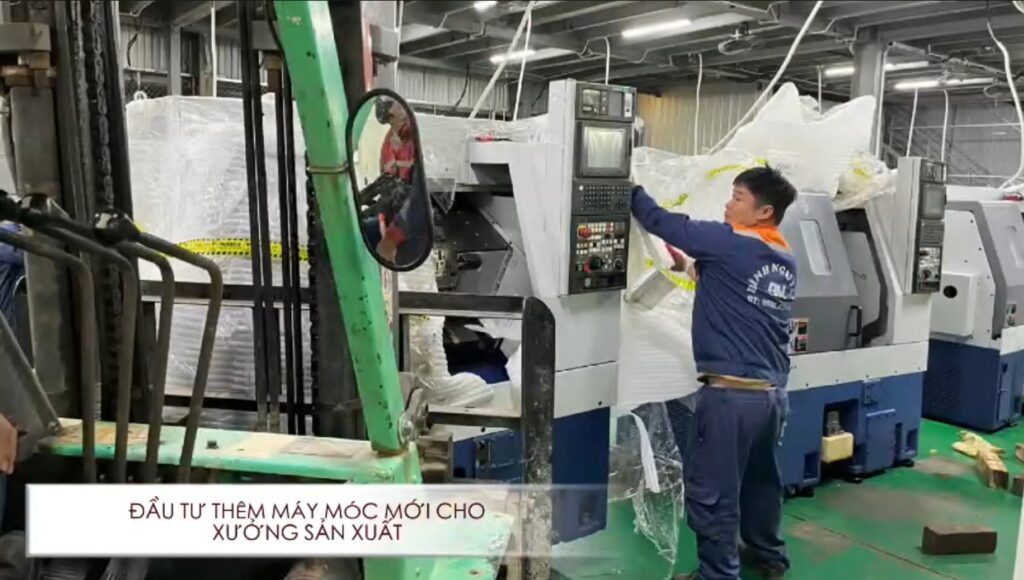
A CNC production transfer is ready when the receiving supplier has an approved manufacturing package, usable tooling and gauges, a first-lot inspection plan and written release criteria. Sending a drawing and moving fixtures are only part of the handover. The buyer and receiving manufacturer also need to agree what the transferred assets establish, what must be validated again and who authorizes repeat production.
This checklist focuses on the handover of an existing part to a manufacturing supplier in Vietnam. It supports the transition after a supplier has been shortlisted; it does not replace technical qualification or customer approval.
Define the transfer boundary before moving equipment
Start with a part-number register. For each component, identify the drawing revision, CAD revision, material and temper, finish, expected quantities, inspection requirements and delivery scope. Separate customer requirements from settings that belonged to the previous supplier’s process.
A fixture design may be transferable while the original machining sequence is unsuitable for the receiving machine. A previous inspection report can explain what was measured, but it does not demonstrate the new setup’s capability. Record these distinctions in the handover plan.
Build one controlled handover register
| Handover item | Information to transfer | Receiving check |
|---|---|---|
| Drawings and CAD | Approved revision, units, datums and change history | Resolve conflicts before programming |
| Fixtures and soft jaws | Identification, ownership, setup references and condition | Check machine compatibility, locating method and workholding |
| Gauges and masters | Identification, intended feature, status and available records | Confirm suitability for the required acceptance decision |
| Programs and setup sheets | Authorized files, controller reference and known restrictions | Review and validate for the receiving machine |
| Reference samples | Part revision, approval status and intended use | Distinguish visual references from dimensional acceptance requirements |
| Inspection and packing | Critical features, reporting, labels and part protection | Agree first-lot release and shipment checks |
Confirm ownership and permitted use
List the owner of each fixture, gauge, program and technical document. Confirm that the party providing an asset is authorized to transfer it and that the receiving supplier may use it for the agreed project. Keep the commercial discussion separate from the physical receipt check.
The asset register should identify storage, maintenance, modification approval and return arrangements. If a fixture needs repair or alteration, obtain the agreed authorization before changing it. Record the condition when it arrives, including missing components and visible damage.
Validate transferred tooling on the receiving equipment
Transferred tooling is an input to process development, not an automatic approval of the new process. Review locating surfaces, clamping access, tool clearance, machine envelope and how the part will be loaded and identified. Confirm any changes to the datum strategy with the responsible technical team.
Machine programs also need a receiving review. Controller differences, tool definitions, offsets, workholding and machine motion can make a previously used program unsuitable for direct execution. Plan the receiving supplier’s normal programming and setup-validation process instead of assuming a file will run unchanged.
Agree what the first lot must prove
Define the first-lot quantity and the features to report before production starts. Identify which measurements occur before finishing, which occur on finished parts and whether assembly or functional checks are needed. Link the results to the controlled drawing and the actual production lot.
For example, a repeat-order aluminum bracket may have a critical bore, a mounting-face requirement and a cosmetic anodized surface. A useful transfer review would connect those requirements to the new fixture, the final inspection stage and the approved appearance reference. This is an illustrative planning example, not a reported customer case.
- Identify critical dimensions, datums and acceptance methods.
- Agree the inspection record and any customer-specific submission.
- Record deviations and obtain written disposition before release.
- Define who accepts the first lot and authorizes the next order.
Release repeat production in stages
Use clear gates: handover package accepted, tooling received and reviewed, first-lot results reviewed, then repeat-production release. Tie each gate to an owner and an agreed record. If production will overlap between suppliers, identify the last outgoing lot and the first receiving lot so that deliveries remain traceable.
After approval, retain the agreed process references and track subsequent changes. A drawing revision, material substitution, fixture modification or finishing change may require a fresh review. See TDB Hanoi’s drawing revision control guide for the document side of that process.
Planning a transfer to TDB Hanoi
Send the drawing package, forecast quantities, transfer timetable and an inventory of fixtures and gauges. TDB Hanoi can review the component and proposed manufacturing route against its equipment list. The inspection and documentation scope should be agreed using the project’s actual requirements; review the quality documentation information and contact TDB Hanoi with the handover package.
Frequently asked questions
Does transferring a fixture guarantee the same part result?
No. The receiving machine, setup, locating method, tools and inspection route still need review and validation against the drawing.
Can an approved sample replace the drawing?
A sample may support an agreed visual or functional reference. Document its purpose and resolve dimensional requirements through the controlled specification rather than an unidentified sample.
When should repeat orders be released?
Release them after the agreed first-lot evidence has been reviewed and the responsible customer representative has authorized the next stage.