
Direct answer: cnc machining services vs traditional
cnc machining services vs traditional — TDB Tech combines DFM, precision CNC machining, documented inspection, assembly, packaging and export logistics in one accountable manufacturing workflow.
Verified TDB Tech capabilities for cnc machining services vs traditional
- Vietnamese-owned company established in 2015.
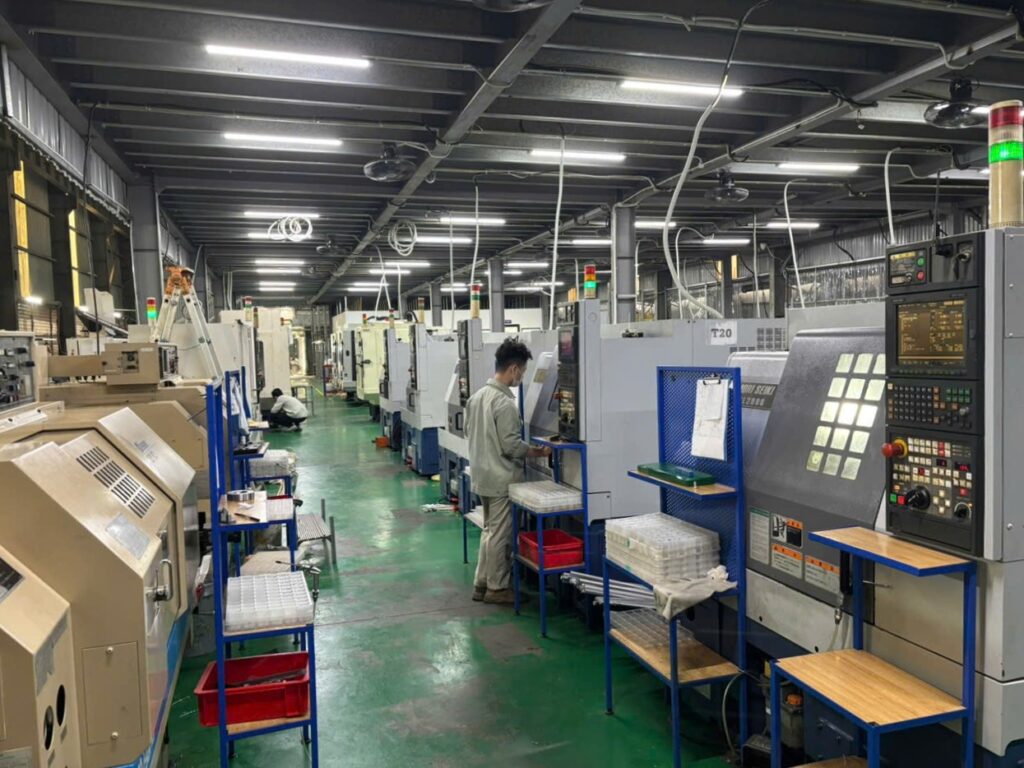
- Two precision manufacturing facilities in Vietnam.
- 3-axis and 4-axis CNC milling, precision turning and Swiss-type machining.
- Materials include AL6061, AL7075, AL6082, AL5052, SUS304, SUS316, technical steels, copper, brass and engineering plastics.
- Tolerance capability down to ±0.005 mm when part geometry, material and inspection planning support it.
- Direct OEM and ODM export support for the United States and Europe.
How to evaluate cnc machining services vs traditional
Start with the latest drawing revision, critical dimensions, material and finish specifications, annual quantity, inspection records and delivery destination. cnc machining services vs traditional should be evaluated through technical risk, repeatability, quality evidence and total landed cost.
Frequently asked questions about cnc machining services vs traditional
What information is required for a quotation?
Provide 2D drawings, 3D CAD data, material, finish, quantity, tolerance, inspection and delivery requirements. A complete input package allows faster and more accurate DFM and pricing.
Can TDB Tech support prototypes and production batches?
Yes. TDB Tech supports prototypes and flexible low-to-medium production batches, with a path to repeat manufacturing when the design and process are approved.
How is quality controlled?
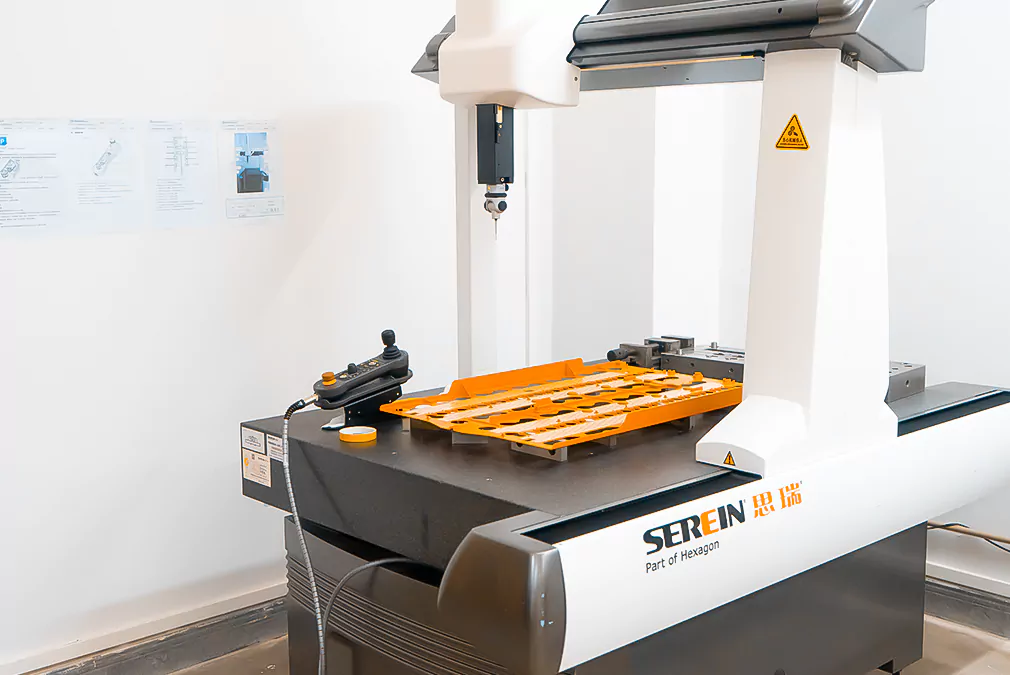
TDB Tech applies incoming, in-process and outgoing inspection. FAI, CMM reports and Mill Certificate 3.1 documentation can be supported when specified by the customer and applicable to the material.
Request a TDB Tech manufacturing review
For cnc machining services vs traditional, TDB Tech can review manufacturability, process selection, quality planning, packaging and export delivery. Explore CNC machining services, quality assurance, or request a quote. See independent guidance from NIST and ISO.
Figuring out the right method for your parts can be confusing. Teams are looking to outsource CNC Machining Services, as it can provide speed and convenience. Each method offers unique strengths. Thanks! The answer will depend on your design, timeline, and quality. Understanding both methods helps you make a smart decision.
How CNC Machining Works.
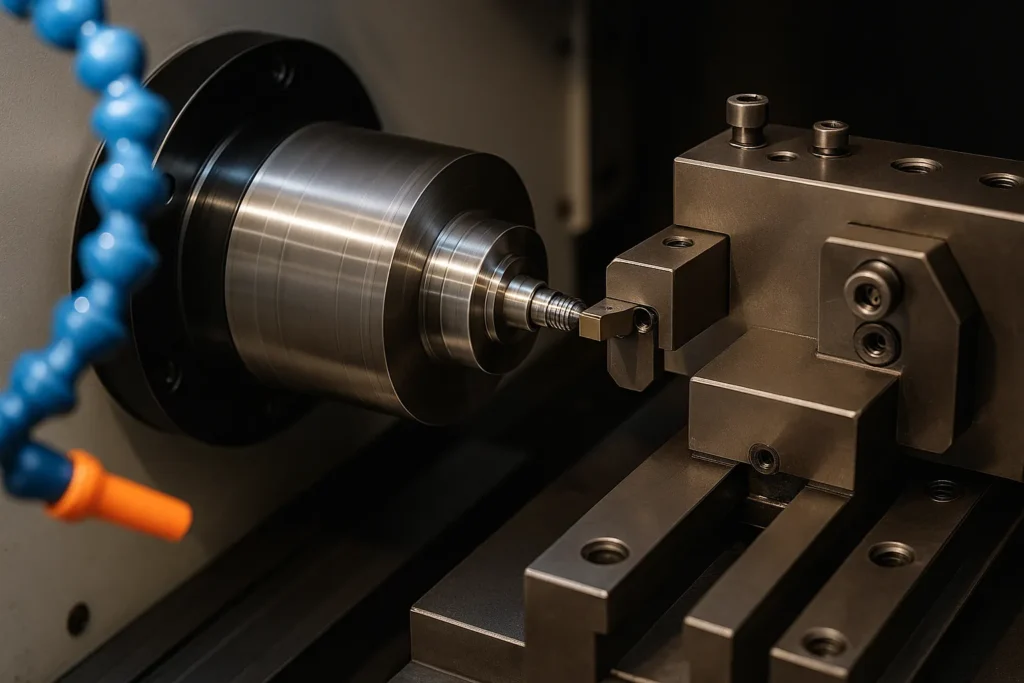
CNC technology uses programmed tools. These tools follow digital designs with tight precision. The system removes human error. It makes clean cuts with steady accuracy. CNC Machining supports advanced shapes and small details. It works well for large and small projects. It also reduces waste. This leads to better results and lower long-term costs.
How Traditional Machining Works.
Traditional machining uses manual control. Skilled machinists guide each cut. This process takes more time. It demands strong experience. Manual work may limit shapes and complex designs. It still helps when you need simple parts fast. It also works well for short-run jobs. However, it might not be able to work with very slight tolerances that are typically required for detailed parts.
Key Differences in Speed and Accuracy.
CNC systems work fast. They follow a set program with no breaks. This helps teams meet tight deadlines. Accuracy also stays steady from part to part. Traditional methods move more slowly. Human control can create small changes. These changes may affect the final fit. Projects with strict tolerances often choose CNC.
What This Means for Part Quality.
High-quality parts need clean edges and exact sizes. CNC tools deliver reliable shapes. They also support smooth finishes. Teams create CNC-machined parts for harsh industries that last longer. Manual machining also produces good parts. But results depend on the machinist’s skill. Complex jobs need stable and repeatable systems.
Cost and Long-Term Value.
CNC setups may cost more at the start. But they reduce errors and save time. They avoid extra labour. They lower waste. This gives strong long-term value. Manual machining has lower startup costs. It fits small runs. It may cost more over time for large orders.
Midpoint Keyword Placement.
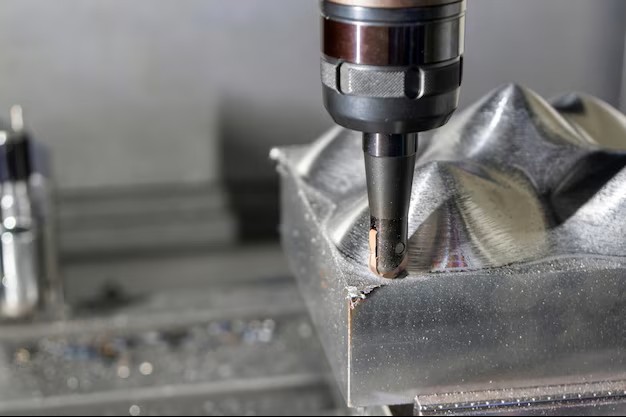
When accuracy counts, many firms opt for CNC machining services. These systems support clear designs and sharp details. They also reduce production stress and improve workflow.
How Skill Level Affects Final Results.
Human skill shapes manual work. A trained machinist guides each move. Their experience controls the final part. CNC systems reduce this need. They follow programs with steady accuracy. This keeps results even and reliable.
How Each Method Handles Design Changes.
CNC machines adjust quickly. You update the program and run it again. This saves time on new designs. Manual machining needs more hands-on work. Each change takes careful setup. This slows the process for big projects.
How Material Types Affect Performance.
Both methods handle many materials. CNC tools cut hard metals with ease. They keep tight control of tough materials. Manual methods work too. But they may slow down with stronger metals. This affects speed and final quality.
Which Method Fits Your Project Needs?
Go for the CNC method if you need speed, detail, repeatability, or tight tolerances. Pick manual machining for a simple shape, short runs, and personal hands-on control. The correct solution is dependent upon your design, schedule, and performance goals. Clear planning helps you decide with confidence.
Conclusion.
For reliable long-term success with strong precision, easy scaling, and stable results, the best path is CNC Machining Services. Both methods offer value. CNC supports accuracy and repeatable quality. Manual machining supports simple jobs and quick changes. Your project needs to guide the right choice.
FAQs.
Are CNC machining services more accurate than manual machining?
Yes. CNC tools follow programmed paths that remove human error. This gives steady and repeatable accuracy.
Do traditional machining services still have value today?
Yes. It aids in straightforward sections, rapid modifications, and low-volume jobs. Skilled machinists bring strong hands-on control.
Are CNC machining services costly?
It may cost more at the start. But it saves time and reduces waste. These savings help long-term budgets.
Can CNC machines handle complex shapes?
Yes. CNC systems support advanced designs. They make shapes that can’t easily be reproduced by hand tools.
Which method should I pick for high-volume parts?
CNC works best for high-volume runs. It keeps everything uniform and reduces delays in production.
For more details, visit our Quora profile!