
Direct answer: top 10 precision machine shops in
top 10 precision machine shops in — TDB Tech plans quality from drawing review through IQC, IPQC and OQC, with FAI and CMM reporting available when required by the project.
Verified TDB Tech capabilities for top 10 precision machine shops in
- Vietnamese-owned company established in 2015.
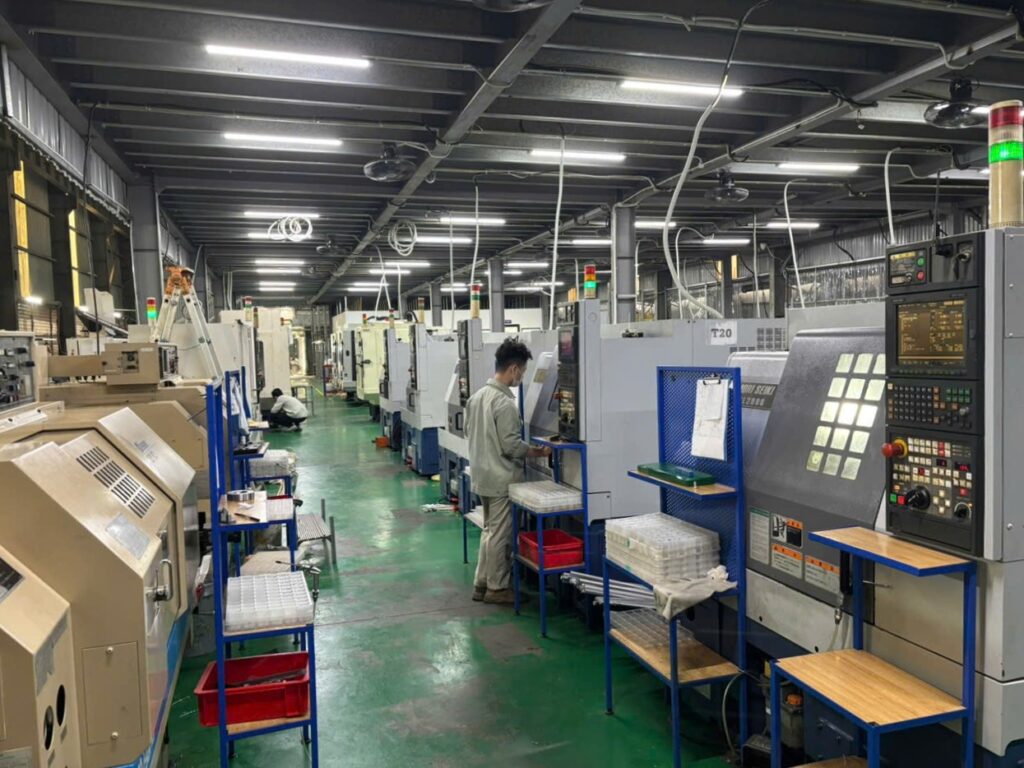
- Two precision manufacturing facilities in Vietnam.
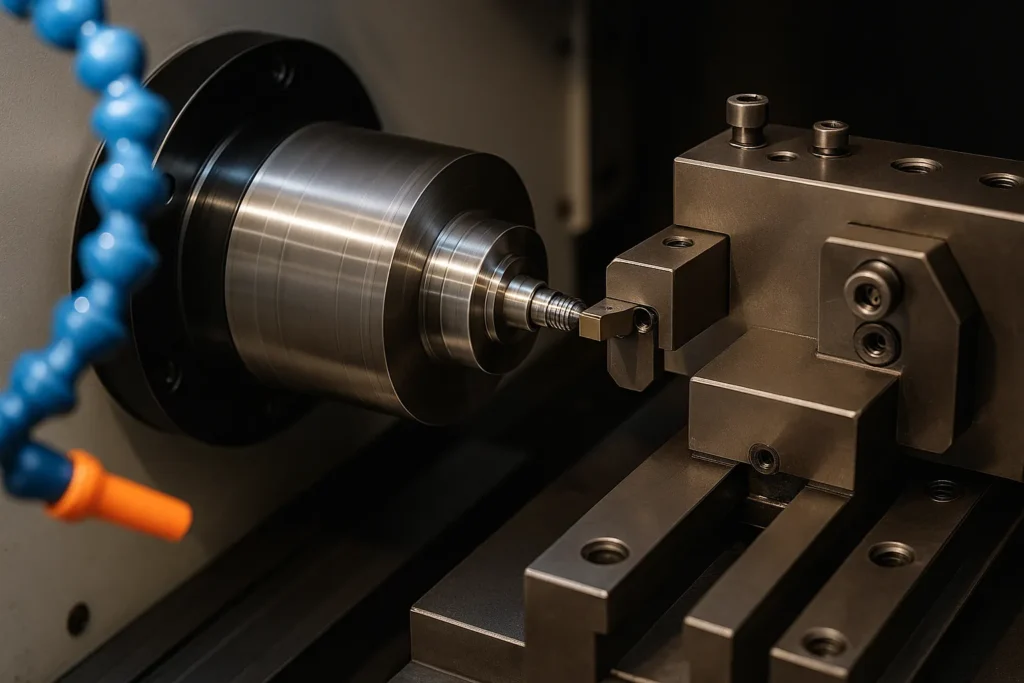
- 3-axis and 4-axis CNC milling, precision turning and Swiss-type machining.
- Materials include AL6061, AL7075, AL6082, AL5052, SUS304, SUS316, technical steels, copper, brass and engineering plastics.
- Tolerance capability down to ±0.005 mm when part geometry, material and inspection planning support it.
- Direct OEM and ODM export support for the United States and Europe.
How to evaluate top 10 precision machine shops in
Start with the latest drawing revision, critical dimensions, material and finish specifications, annual quantity, inspection records and delivery destination. top 10 precision machine shops in should be evaluated through technical risk, repeatability, quality evidence and total landed cost.
Frequently asked questions about top 10 precision machine shops in
What information is required for a quotation?
Provide 2D drawings, 3D CAD data, material, finish, quantity, tolerance, inspection and delivery requirements. A complete input package allows faster and more accurate DFM and pricing.
Can TDB Tech support prototypes and production batches?
Yes. TDB Tech supports prototypes and flexible low-to-medium production batches, with a path to repeat manufacturing when the design and process are approved.
How is quality controlled?
TDB Tech applies incoming, in-process and outgoing inspection. FAI, CMM reports and Mill Certificate 3.1 documentation can be supported when specified by the customer and applicable to the material.

Request a TDB Tech manufacturing review
For top 10 precision machine shops in, TDB Tech can review manufacturability, process selection, quality planning, packaging and export delivery. Explore CNC machining services, quality assurance, or request a quote. See independent guidance from NIST and ISO.
Introduction to Precision Machine Shops
Precision machine shops play a critical role in the manufacturing industry by focusing on producing high-quality, accurate components crucial for various applications. The term “precision machining” refers to a process that involves removing material from a workpiece to achieve tight tolerances and high levels of precision. This process is fundamental for creating parts that fit together seamlessly, ensuring they function as intended in their respective applications.
Typically, precision machine shops manufacture a wide range of products, including but not limited to gears, shafts, brackets, and custom tooling. These components are vital in industries such as automotive, aerospace, medical device manufacturing, and electronics, where precision directly impacts functionality and safety. For instance, in the aerospace sector, even minor deviations in component specifications can lead to significant operational inefficiencies or catastrophic failures. Thus, precision is not simply a desirable trait but an essential standard.
The significance of quality in the machining process cannot be overstated. High-quality machining ensures that the manufactured components meet strict specifications, which is essential for maintaining reliability and safety standards across various industries. This includes adherence to quality control processes that minimize errors and defects, thus enhancing the overall integrity of the end products. Moreover, as technology advances and industries demand higher efficiency and innovation, the emphasis on precision and quality in machining processes continues to grow, further establishing the importance of precision machine shops in today’s competitive manufacturing landscape.
In essence, precision machine shops are indispensable in producing components that not only meet but exceed the rigorous demands of modern manufacturing, underscoring the integral role they play across numerous sectors.
The Advantages of Sourcing TDB Machining from Vietnam
Sourcing precision machine parts from Vietnam presents several advantages that have positioned the country as a viable option for global manufacturers. One significant benefit is cost-effectiveness. The overall cost of production in Vietnam is often lower compared to other countries, primarily due to competitive labor rates and reduced operational expenses. This affordability allows businesses to maximize their profit margins while maintaining quality standards. Consequently, companies can benefit from sourcing components at a fraction of the cost without compromising on quality.
Another crucial factor contributing to Vietnam’s appeal is its skilled workforce. The country has invested heavily in education and vocational training in engineering and technical fields, resulting in a workforce capable of producing high-precision machine parts. This expertise is vital in industries where precision is paramount, such as aerospace, automotive, and electronics. Vietnamese manufacturers are increasingly recognized for their ability to deliver complex parts that meet stringent specifications.
Access to advanced technology further enhances Vietnam’s position in the precision manufacturing landscape. Many local companies have adopted modern machining techniques and sophisticated production equipment to ensure quality and efficiency. These developments, combined with adherence to international standards, have solidified Vietnam’s reputation for high-quality manufacturing. Additionally, the government’s commitment to improving infrastructure and technology infrastructure has created a conducive environment for precision machining.
Geographically, Vietnam’s location is advantageous for timely shipping and logistics. Proximity to key markets such as Asia-Pacific countries facilitates quicker turnaround times for sourcing and delivery. Furthermore, various trade agreements, including those with ASEAN and other global partners, minimize tariffs on imported and exported goods. This integration into global supply chains makes Vietnam an attractive destination for companies looking to source precision parts efficiently.
Quality Control in Precision Machining Shops
Quality control is a critical aspect of precision machining, particularly within the context of machine shops in Vietnam. These facilities adhere to stringent industry standards, ensuring that all manufactured parts not only meet, but exceed, international requirements. A comprehensive quality control process begins with the integration of established guidelines such as ISO 9001, which sets the framework for quality management systems. This internationally recognized standard plays a pivotal role in helping machine shops maintain consistent quality in their operations.
Inspection processes are integral to quality assurance in precision machining. Various methodologies are employed to evaluate the integrity of the machined parts throughout the production cycle. One prevalent inspection method is the utilization of Computer Numerical Control (CNC) machines. These machines enhance precision by automating the manufacturing process, reducing human error and ensuring that complex designs are replicated with high fidelity. Moreover, these CNC systems often incorporate advanced measurement tools that verify dimensional tolerances to maintain tight specifications.
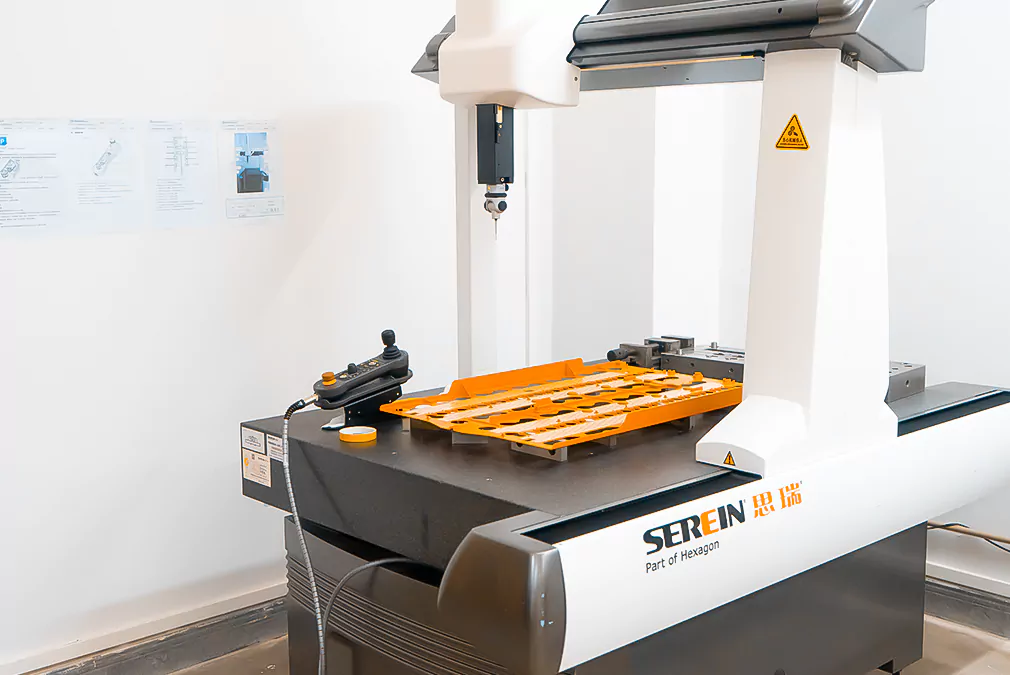
Tolerance measurements are essential, as they dictate how close the manufactured dimensions are to the intended specifications. Precision machine shops in Vietnam utilize advanced gauges and measuring instruments, such as calipers, micrometers, and coordinate measuring machines (CMM), to ascertain that all components fall within the required tolerances. Furthermore, surface finish checks are performed to assess the quality of the surface texture of the parts. A smooth surface finish is vital for the performance and longevity of components, particularly in applications where friction and wear are critical considerations.
By employing these rigorous quality control measures, precision machine shops in Vietnam significantly enhance the reliability and performance of their manufactured parts. This ongoing commitment to quality not only solidifies the reputation of these facilities in the global marketplace but also assures customers of the consistency and durability of the products they receive.
Future Trends in Precision Machining Shops in Vietnam
The precision TDB machining industry in Vietnam is on the verge of significant transformation, with several emerging trends anticipated to shape its future landscape. One of the most prominent trends is the adoption of automation and robotics within manufacturing processes. As precision machine shops seek to enhance productivity and ensure consistency in quality, integrating robotics into their operations is becoming increasingly popular. This incorporation not only improves efficiency but also addresses labor shortages, allowing shops to maintain high production levels with reduced human intervention.
Another key development is the implementation of smart technologies, a crucial aspect of Industry 4.0. The integration of the Internet of Things (IoT) and advanced data analytics into precision machining allows for real-time monitoring and predictive maintenance. This data-driven approach enables machine shops to optimize performance, reduce downtime, and enhance overall productivity. As a result, precision machine shops can respond swiftly to fluctuating market demands while ensuring the highest quality standards.
However, the evolution of the precision machining sector in Vietnam is not without challenges. As the industry embraces these advancements, it faces hurdles related to the initial investment costs associated with new technologies. Additionally, there is a pressing need for skilled workers who are adept in handling advanced machinery and technologies, creating a potential skills gap. Fortunately, these challenges also present opportunities for workforce development and training programs, which can help bridge the skills gap and enable workers to adapt to automation and smart manufacturing practices.
In summary, the future of precision machining in Vietnam appears promising, driven by automation, robotics, and smart technologies. As precision machine shops evolve to meet the demands of Industry 4.0, they will undoubtedly encounter challenges that can be transformed into opportunities, ensuring the long-term growth and competitiveness of the sector.