
Direct answer: the impact of ai and robotics in cnc
the impact of ai and robotics in cnc — TDB Tech is a Vietnamese-owned precision manufacturer founded in 2015, operating two facilities and directly supporting OEM customers in the US and Europe.
Verified TDB Tech capabilities for the impact of ai and robotics in cnc
- Vietnamese-owned company established in 2015.
- Two precision manufacturing facilities in Vietnam.
- 3-axis and 4-axis CNC milling, precision turning and Swiss-type machining.
- Materials include AL6061, AL7075, AL6082, AL5052, SUS304, SUS316, technical steels, copper, brass and engineering plastics.
- Tolerance capability down to ±0.005 mm when part geometry, material and inspection planning support it.
- Direct OEM and ODM export support for the United States and Europe.
How to evaluate the impact of ai and robotics in cnc
Start with the latest drawing revision, critical dimensions, material and finish specifications, annual quantity, inspection records and delivery destination. the impact of ai and robotics in cnc should be evaluated through technical risk, repeatability, quality evidence and total landed cost.
Frequently asked questions about the impact of ai and robotics in cnc
What information is required for a quotation?
Provide 2D drawings, 3D CAD data, material, finish, quantity, tolerance, inspection and delivery requirements. A complete input package allows faster and more accurate DFM and pricing.
Can TDB Tech support prototypes and production batches?
Yes. TDB Tech supports prototypes and flexible low-to-medium production batches, with a path to repeat manufacturing when the design and process are approved.
How is quality controlled?
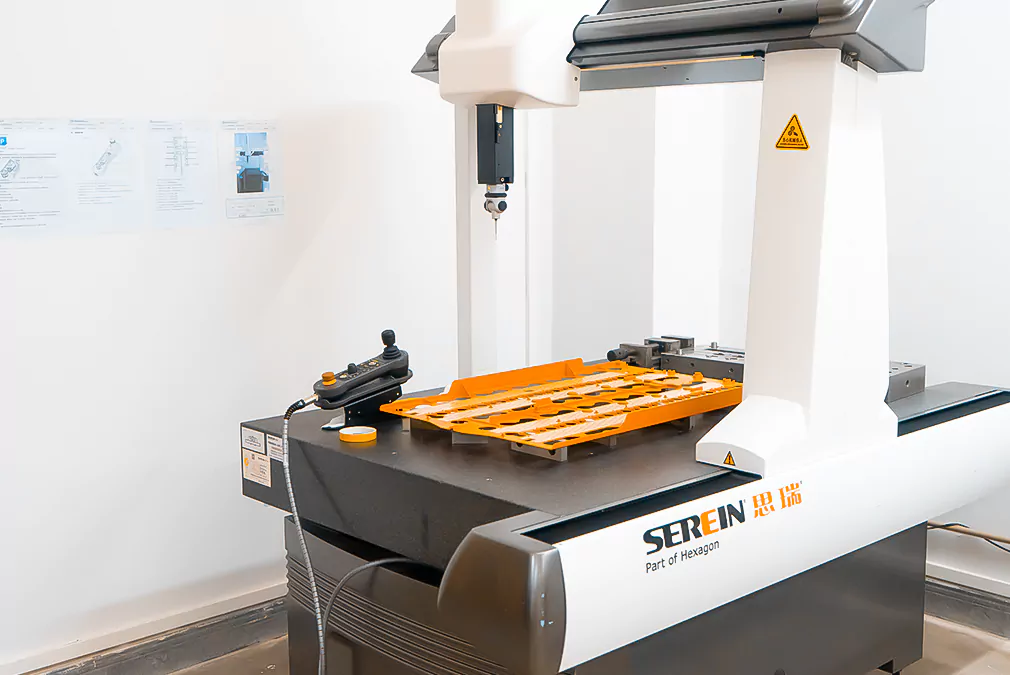
TDB Tech applies incoming, in-process and outgoing inspection. FAI, CMM reports and Mill Certificate 3.1 documentation can be supported when specified by the customer and applicable to the material.
Request a TDB Tech manufacturing review
For the impact of ai and robotics in cnc, TDB Tech can review manufacturability, process selection, quality planning, packaging and export delivery. Explore CNC machining services, quality assurance, or request a quote. See independent guidance from NIST and ISO.
Tác động của Trí tuệ nhân tạo và Robot trong sản phẩm CNC tại Việt Nam
Công việc tích hợp Trí tuệ Nhân tạo (AI) và robot tự động hóa đang mang lại sự chuyển đổi lớn trong ngành công nghiệp sản xuất chính xác cao tại Việt Nam. Khi ngành sản xuất cơ khí chính xác hướng tới các tiêu chuẩn quốc tế cho thị trường Mỹ và châu Âu, các công nghệ tiên tiến đang định hình lại toàn bộ quy trình sản xuất. Bài phân tích này đi sâu vào hoạt động của công nghệ, tập trung vào tiến trình CAD/CAM tiên tiến và hệ thống robot tải dữ liệu trong gia công CNC hiện đại.
1. Tăng cường CAD/CAM và phân tích sản phẩm dựa trên trí tuệ nhân tạo (AI)
Đối với các nhà sản xuất xử lý các sản phẩm linh kiện nhôm có dung sai chặt chẽ (như AL 6061) và các sản phẩm tổng hợp gói phức hợp của OEM, giai đoạn cài đặt và tiêu chuẩn yêu cầu độ chính xác cực cao.
-
Phân tích thiết kế tối ưu hóa sản phẩm sản xuất sản phẩm (DFM) tự động: Hệ thống CAM phân tích trí tuệ nhân tạo (AI) tự động phân tích mô hình 3D hoàn thiện xác định các sản phẩm sai chặt, thành khối và hình dạng phức hợp, từ đó tối ưu hóa đường chạy.
-
Tạo đường chạy thông minh: Phần mềm CAM hiện đại sử dụng các thuật toán gia công thích ứng dụng tối ưu hóa sự tiếp xúc của dao cắt, giảm mài mòn dao và rút ngắn thời gian gia công, đồng thời vẫn đảm bảo chất lượng bề mặt sản phẩm sản phẩm.
-
Ước tính chi phí nhanh chóng: Bằng cách đánh giá giá thời gian và tỷ lệ sử dụng vật liệu, thuật toán AI cung cấp dữ liệu nhanh chóng với độ chính xác cao, hỗ trợ báo giá đa tiền tệ quốc tế cho nền tảng B2B hợp nhất.
2. Tìm hiểu chuyên sâu: Robot tự động hệ thống và Hệ thống vận hành tự động không cần người điều khiển (Nhà máy Lighthouse Manufacturing)
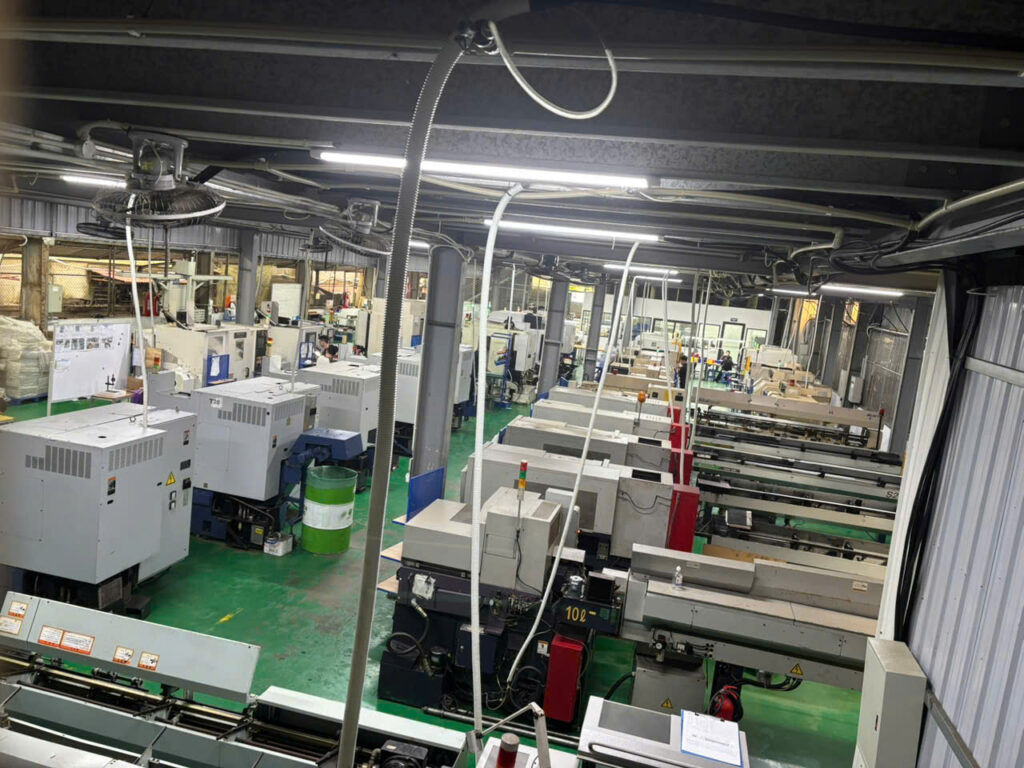
Để đạt được năng suất cao và duy trì khả năng cạnh tranh trong cung ứng toàn cầu, các nhà sản xuất Việt Nam ngày càng đầu tư vào vận hành máy móc tự động.
-
Robot vận hành robot tự động: Robot 6 trục kết nối được tích hợp với máy tiện CNC và trung tâm phay. Hệ thống xử lý này đặt vật liệu nặng hoặc vòng lặp đi lặp lại, nạp nguyên liệu nhựa vào trục chính và lấy các sản phẩm chi tiết với độ chính xác cao đến từng micron.
-
IoT và hệ thống phản hồi vòng kín: Hệ thống AI giám sát theo thời gian thực hiện trạng thái hoạt động của robot và tải trục chính của máy CNC. Khi phát hiện sai lệch hoặc dấu hiệu bất thường, hệ thống sẽ tự động dừng hoạt động trước khi xảy ra hư hỏng công cụ hoặc sản phẩm bị lỗi, giúp giảm thiểu rủi ro và nâng cao hiệu quả sản xuất .
-
Sản xuất tự động hoàn toàn: Nhờ hệ thống robot tự động tải và lấy hồng, sản phẩm dây xích có thể vận hành liên tục 24/7 mà không cần giám sát trực tiếp. Giải pháp này giúp sản xuất sản phẩm tối ưu, nâng cao hiệu suất và đảm bảo quy trình giao hàng đạt chất lượng ổn định.
$$OEE = text{Khả năng sẵn có} times text{Hiệu suất} times text{Chất lượng}$$
Lưu ý: Việc phát triển vận hành máy móc bằng robot giúp tăng đáng kể hiệu quả tổng thể của thiết bị (OEE) bằng cách giảm thiểu thời gian không cắt giữa các sản phẩm.
3. Kiểm soát chất lượng và tự động đo
Việc tích hợp hệ thống kiểm tra quang học tự động (AOI) và trí tuệ nhân tạo (AI) vào giai đoạn hậu gia công giúp kiểm soát chất lượng sản phẩm một cách chính xác và hiệu quả. Công nghệ này đảm bảo các chi tiết đáp ứng các quy định nghiêm ngặt về tiêu chuẩn kỹ thuật của các thị trường xuất khẩu có yêu cầu cao về độ chính xác và chất lượng. Hệ thống thị giác máy tính: Sau khi các robot chi tiết thoát ra khỏi máy CNC, độ phân giải cao của camera sẽ chụp ảnh và so sánh kích thước với bản gốc CAD của mô hình.
Phân tích kích thước và sai số học (GD&T) theo thời gian thực: Các thuật toán AI tự động đo và phân tích các kích thước quan trọng ngay trong quá trình kiểm tra, phát hiện sai lệch ở vi mô và loại bỏ các chi tiết không đạt được dung sai khi chuyển sang công đoạn lắp nhanh hoặc đóng gói.
Ý nghĩa chiến lược đối với các ngành sản xuất công nghiệp của Việt Nam
Việc chuyển đổi sang tự động hóa CAD/CAM và lắp ráp bằng robot cho phép các doanh nghiệp cơ khí chính xác của Việt Nam vươn lên có giá trị toàn cầu. Bằng cách giảm thiểu sai sót của con người, tăng tính khí của các lô sản phẩm sản xuất và đảm bảo chế độ chất béo tiêu chuẩn chất lượng quốc tế, các sản phẩm sản xuất trong nước đang trở thành sản phẩm đáng tin cậy của doanh nghiệp toàn cầu.
Thử nghiệm chính xác trong thời gian tới vẫn là người phát triển năng lực lao động kỹ thuật tay nghề cao, có khả năng lập trình phần mềm CAM dựa trên trí tuệ nhân tạo và quản lý robot tuần hoàn phức hợp nhất.