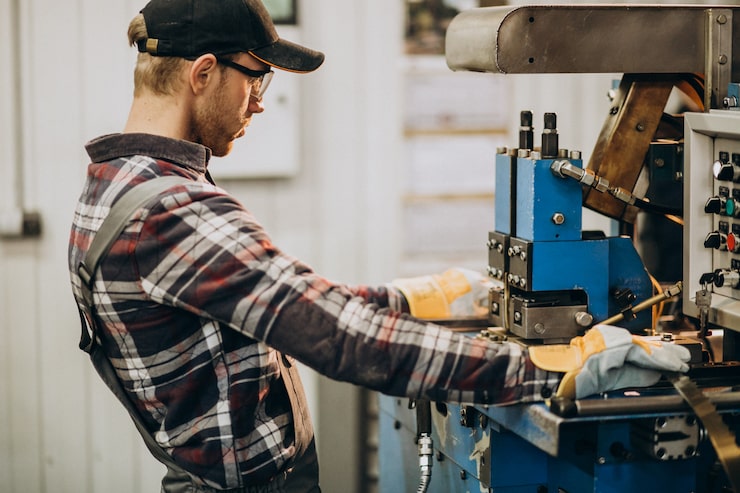

precision mechanical machining is an important sourcing topic for US and EU OEM teams evaluating precision manufacturing in Vietnam. TDB Tech applies modern milling, turning and Swiss-type machining with inspection planning for demanding export components.
precision mechanical machining: what buyers should evaluate
Successful programs require more than a competitive unit price. Buyers should review drawing complexity, material traceability, tolerance capability, inspection planning, repeatability, packaging and international delivery before approving a supplier. This guide explains the practical engineering and supply-chain factors behind precision mechanical machining.
What is mechanical precision machining?
Mechanical precision machining is a specialized process that involves the manufacturing of highly accurate and intricate components using various machining techniques. It is a crucial aspect of many industries, including automotive, aerospace, electronics, medical devices, and more. Here’s an overview of mechanical precision machining:
- CNC Machining: Computer Numerical Control (CNC) machining is a widely used technique in mechanical precision machining. It involves the use of computer-controlled machines to remove material from a workpiece and shape it into the desired form. CNC milling and CNC turning are common processes within CNC machining.
- Milling: Milling is a machining process where rotary cutters remove material from a workpiece to create complex shapes and features. It is commonly used to produce slots, holes, and contours on various materials, including metal, plastic, and composites.
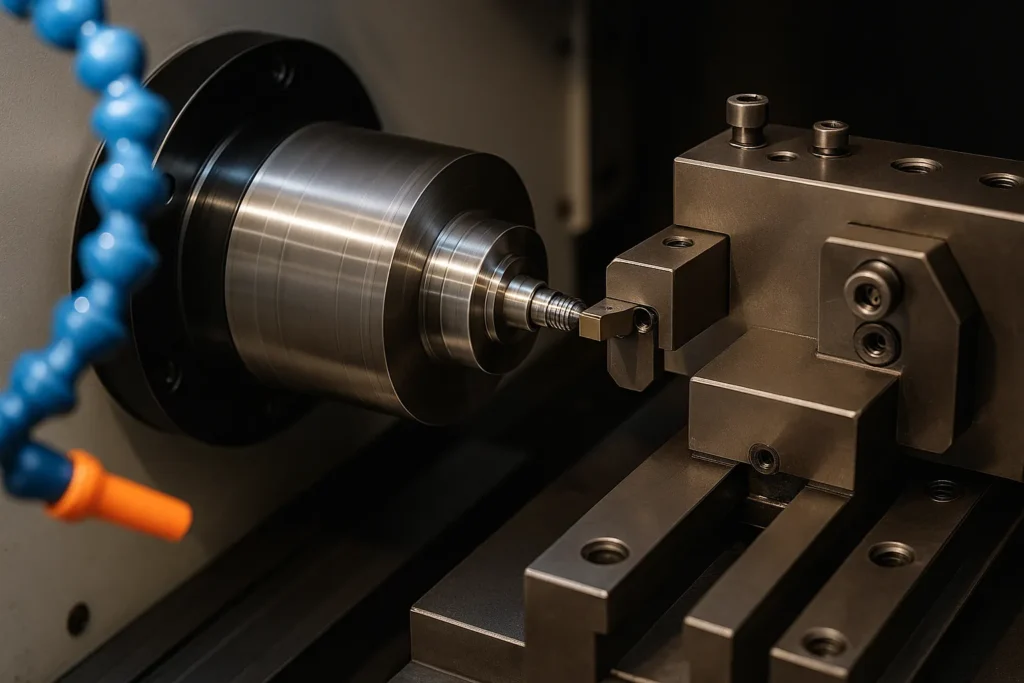
- Turning: Turning is a machining process that rotates a workpiece while a cutting tool removes material to create cylindrical shapes. It is commonly used to produce shafts, threads, and other rotational parts.
- Grinding: Grinding is a precision machining process that uses abrasive wheels to remove material and achieve fine surface finishes. It is employed to produce high-precision components with tight tolerances and smooth surfaces.
- EDM (Electrical Discharge Machining): EDM is a non-traditional machining process that utilizes electrical discharges to remove material from a workpiece. It is ideal for machining intricate shapes, hard materials, and components with complex geometries.
- Precision Assembly: In addition to machining, mechanical precision companies often provide precision assembly services. This involves the careful fitting and joining of machined components to create complete systems or products.
Key benefits of mechanical precision machining:
- High accuracy and repeatability: Machining processes allow for precise control over dimensions, tolerances, and surface finishes, ensuring consistent and accurate results.
- Versatility: Mechanical precision machining can be applied to a wide range of materials, including metals, plastics, ceramics, and composites.
- Customization: Machining processes can be tailored to suit specific design requirements, enabling the production of customized components and parts.
- Efficiency: Advanced machining technologies and automation enhance productivity, reduce production time, and minimize human error.
To ensure the best results, it’s important to work with an experienced mechanical precision machining company that has a strong track record in delivering high-quality components and assemblies. These companies leverage their expertise, state-of-the-art equipment, and quality control processes to meet the demanding needs of various industries.
Factors taken into account to ensure precision machining processes
When considering mechanical precision machining, several factors need to be taken into account to ensure accurate and high-quality machining processes. Here are some important factors to consider:
- Tolerances: Precision machining involves working with tight tolerances, which are the allowable limits for dimensional variations in the machined components. Understanding the required tolerances is crucial to selecting the appropriate machining techniques, tools, and equipment.
- Material Selection: Different materials have varying properties, such as hardness, thermal conductivity, and machinability. The material being machined will influence the choice of cutting tools, machining speeds, feeds, and coolant requirements. Consider the material’s characteristics to optimize machining processes and achieve the desired precision.
- Machine Selection: The selection of the machining equipment depends on the complexity of the component, the required tolerances, and the material being machined. CNC machines are commonly used for precision machining due to their high accuracy, repeatability, and versatility.
- Cutting Tools: The selection of cutting tools is critical for precision machining. Factors to consider include tool material, geometry, coatings, and tool wear. High-quality, sharp tools are essential for achieving precise cuts and maintaining dimensional accuracy.
- Machining Parameters: Machining parameters, such as cutting speed, feed rate, and depth of cut, directly affect the quality and precision of the machined parts. Optimize these parameters based on the material being machined, tooling capabilities, and desired surface finish to achieve the required precision.
- Fixturing and Workholding: Proper fixturing and workholding are essential to securely hold the workpiece during machining. The choice of fixtures, clamps, and holding methods should ensure stability, minimize vibrations, and prevent deflection or distortion of the component.
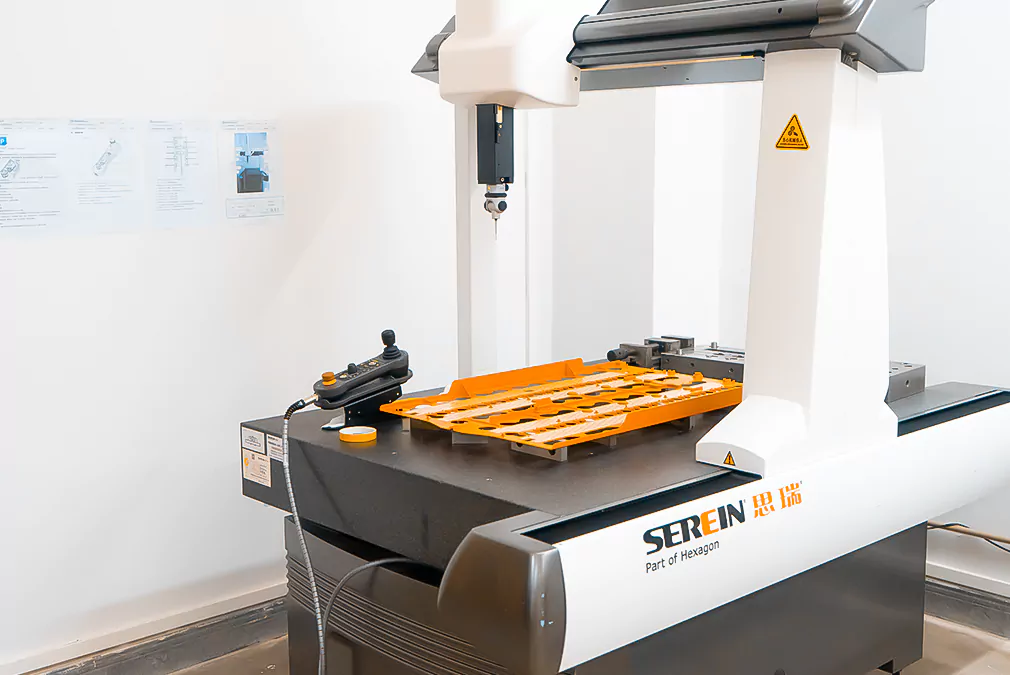
- Quality Control and Inspection: Implementing robust quality control measures is crucial for precision machining. Inspection tools, such as coordinate measuring machines (CMMs), gauges, and micrometers, should be used to verify dimensional accuracy and ensure compliance with specified tolerances.
- Operator Skill and Training: Precision machining requires skilled operators who are knowledgeable about machining techniques, equipment operation, and interpreting engineering drawings. Proper training and ongoing skill development are essential to maintain consistent precision and quality.
- Documentation and Traceability: Accurate record-keeping and documentation of machining processes, tooling, materials, and inspection results are important for traceability and quality assurance. This documentation helps identify and rectify any issues that may arise during or after machining.
- Continuous Improvement: Emphasize continuous improvement in precision machining processes by analyzing performance metrics, identifying areas for optimization, and implementing corrective actions. Regular evaluation and refinement of machining techniques and equipment can lead to enhanced precision and productivity.
Considering these factors in mechanical precision machining ensures that the final components meet the required specifications, adhere to tight tolerances, and deliver the desired performance.
Why choose TDB Hanoi Co., Ltd
TDB Hanoi Co., Ltd takes pride in offering exceptional mechanical precision machining services. With a focus on precision, quality, and customer satisfaction, TDB Hanoi Co., Ltd is your reliable partner for all your machining needs. Here’s why you should choose TDB Hanoi Co., Ltd for mechanical precision machining:
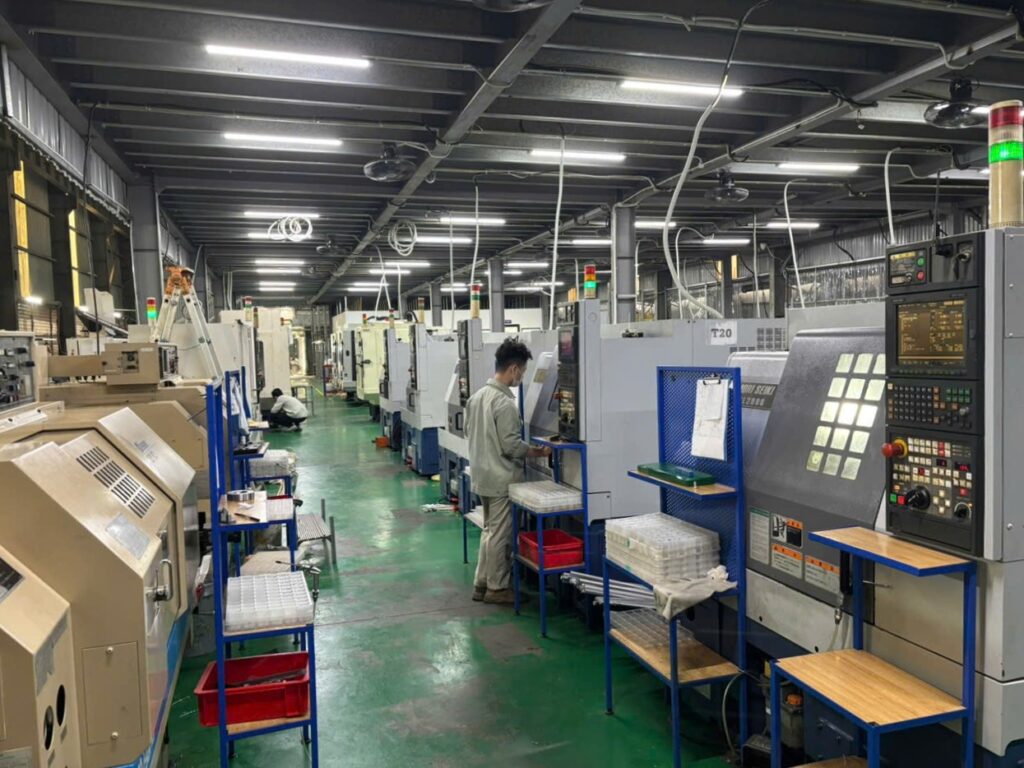
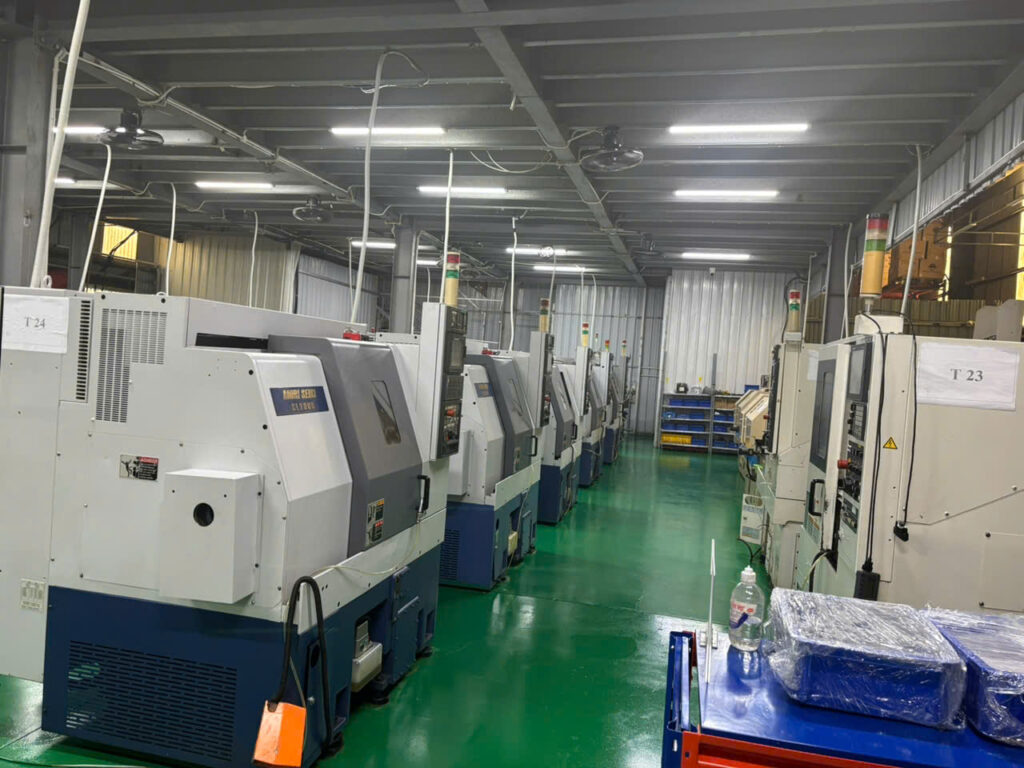
- Advanced Machining Capabilities: TDB Hanoi Co., Ltd utilizes the latest CNC machining technologies and equipment to deliver precise and accurate results. Their state-of-the-art facilities enable them to handle intricate designs, complex geometries, and tight tolerances with ease. Whether it’s milling, turning, grinding, or EDM, they have the expertise and tools to meet your specific requirements.
- Skilled Engineers and Technicians: TDB Hanoi Co., Ltd boasts a team of highly skilled engineers and technicians who are experienced in the field of mechanical precision machining. Their expertise, combined with their dedication to craftsmanship, ensures that every component they produce meets the highest standards of quality and precision.
- Customized Solutions: TDB Hanoi Co., Ltd understands that each project is unique. They work closely with their clients to understand their specific needs and provide tailor-made machining solutions. Whether you require prototyping, small-scale production, or large-scale manufacturing, they can adapt to your requirements and deliver customized solutions that meet your expectations.
- Stringent Quality Control: Quality is of utmost importance to TDB Hanoi Co., Ltd. They have implemented rigorous quality control measures throughout their machining processes to ensure the highest level of precision and accuracy. From material selection to final inspection, they maintain strict adherence to quality standards, ensuring that each component they produce is of superior quality.
- Timely Delivery: TDB Hanoi Co., Ltd understands the importance of meeting project deadlines. They prioritize efficient project management and production planning to ensure timely delivery of your machined components. You can rely on their commitment to punctuality and their ability to deliver on time, every time.
- Excellent Customer Service: TDB Hanoi Co., Ltd places great emphasis on customer satisfaction. They strive to build strong, long-lasting relationships with their clients by providing excellent customer service. Their team is responsive, communicative, and dedicated to addressing your queries and concerns throughout the machining process.
- Competitive Pricing: TDB Hanoi Co., Ltd offers competitive pricing for their mechanical precision machining services. They aim to provide cost-effective solutions without compromising on quality. You can trust that their pricing structure is transparent, fair, and offers great value for your investment.
Choose TDB Hanoi Co., Ltd for your mechanical precision machining needs and experience their commitment to precision, quality, and customer satisfaction. Contact them today to discuss your project requirements and take advantage of their expertise in delivering superior machined components.
7 controls for a reliable precision mechanical machining program
- Confirm drawings, critical dimensions and acceptance criteria through DFM.
- Verify certified material grades and heat or lot traceability.
- Plan stable milling, turning or Swiss-type machining operations.
- Control critical features through in-process inspection.
- Use FAI and CMM reports where the drawing or customer requires them.
- Approve finishing, cleaning, packaging and labeling requirements.
- Coordinate export documents and door-to-door delivery milestones.
Work with TDB Tech Vietnam
TDB Tech applies modern milling, turning and Swiss-type machining with inspection planning for demanding export components. Our two Vietnam facilities support flexible batch sizes, turnkey manufacturing and direct exports to the United States and Europe. TDB Tech applies IQC, IPQC and OQC controls and can support FAI, CMM inspection and Mill Certificate 3.1 documentation according to project requirements.
Explore our precision CNC machining services, review quality assurance at TDB Tech, or request a manufacturing quote. Buyers may also consult the NIST manufacturing resources for additional industry context.
Proven sourcing approach
precision mechanical machining programs perform best when engineering, quality and logistics teams agree on measurable acceptance criteria before production. For TDB Tech, precision mechanical machining includes DFM review, controlled manufacturing, documented inspection and export coordination. Send drawings, material requirements, annual volume and delivery expectations to evaluate how precision mechanical machining can support your OEM supply chain.
For an independent technical reference, review ISO guidance on quality management.