
custom CNC parts manufacturer Vietnam is an important sourcing topic for US and EU OEM teams evaluating precision manufacturing in Vietnam. TDB Tech supplies aluminum, stainless steel, technical steel, copper, brass and engineering-plastic components from prototype through repeat production.
custom CNC parts manufacturer Vietnam: what buyers should evaluate
Successful programs require more than a competitive unit price. Buyers should review drawing complexity, material traceability, tolerance capability, inspection planning, repeatability, packaging and international delivery before approving a supplier. This guide explains the practical engineering and supply-chain factors behind custom CNC parts manufacturer Vietnam.
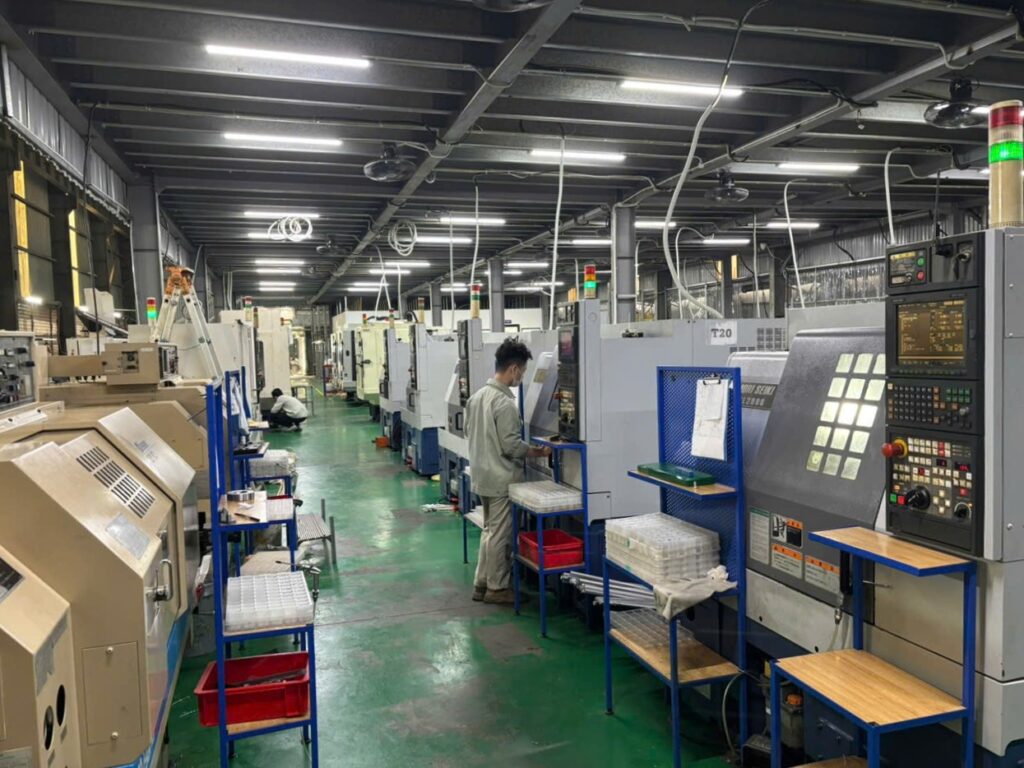
TDB Tech is a 100% Vietnamese-owned precision engineering manufacturer with over a decade of experience supplying high-quality precision mechanical components to customers across the EU and US. From our manufacturing facilities in Hanoi, Vietnam, we support international buyers with CNC machining, quality control and export-ready production.
Selecting the right machining partner can make or break a project. Whether it is aerospace components, medical devices or automotive parts the quality of machining directly impacts performance and reliability. So how does one choose the right Industrial CNC Machining Company US without wasting time or money
This guide explores the essential factors that professionals consider when making this critical decision.
Understanding CNC Machining Capabilities
Before choosing any provider it is important to understand what CNC machining actually involves. CNC stands for Computer Numerical Control which allows machines to produce highly precise parts using programmed instructions.
But here is the real question. Does every company offer the same level of precision and capability? Not really.
A reliable Industrial CNC Machining Company US should provide:
- Multi-axis machining for complex geometries
- Tight tolerance control
- Ability to work with metals plastics and composites
- Advanced CAD and CAM integration
For example aerospace parts often require tolerances within microns. Only experienced companies can consistently achieve that level of accuracy.
Experience and Industry Expertise
Would you trust a beginner with a high value project? Probably not. Experience plays a major role in CNC machining.
An established Industrial CNC Machining Company US understands different industries and their unique requirements. For instance:
- Medical components require strict hygiene and compliance
- Automotive parts demand durability and cost efficiency
- Aerospace parts require extreme precision and safety
Interesting fact. Some CNC companies specialize in niche industries which allows them to deliver faster and more accurate results compared to general providers.
Quality Standards and Certifications
Quality is not just a promise. It must be proven.
Always check if the company follows international standards such as ISO certifications. A professional Industrial CNC Machining Company US should have strong quality control systems in place.
Ask questions like:
- Do they perform in-process inspections
- Are final products tested thoroughly
- Do they provide quality reports
Companies that invest in quality assurance tend to reduce errors and improve long term reliability.
Technology and Equipment
Modern problems require modern solutions.
The best CNC machining companies invest heavily in advanced machinery. Why does this matter? Because outdated machines can lead to inconsistent results and longer production times.
A top tier Industrial CNC Machining Company US will use:
- High speed CNC machines
- Automated production systems
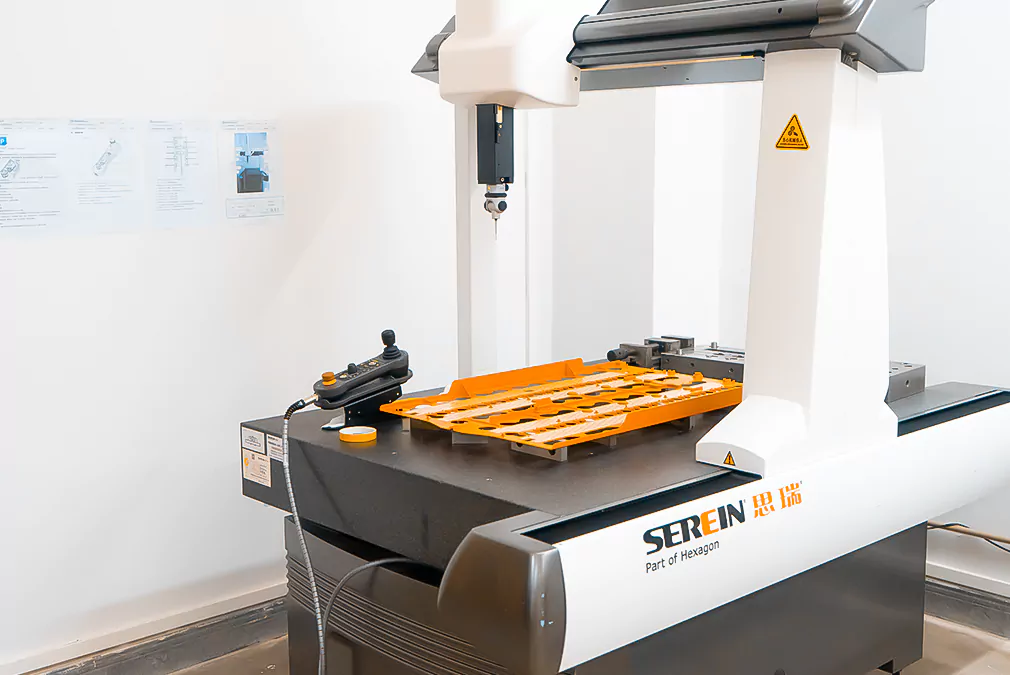
- Precision measurement tools
- Latest software for design optimization
For example 5-axis CNC machines can produce complex shapes in a single setup which saves time and improves accuracy.
Material Expertise
Not all materials behave the same way during machining. Some metals are harder while others require special handling.
A skilled Industrial CNC Machining Company US should have deep knowledge of materials such as aluminum stainless steel titanium and engineering plastics.
Why is this important? Because improper handling can lead to defects, tool wear or even product failure.
A good company will guide clients on material selection based on cost strength and application.
Communication and Customer Support
Let’s be honest. Even the best technology cannot replace clear communication.
Have you ever worked with a company that never responds on time? It can be frustrating and costly.
A reliable Industrial CNC Machining Company US should:
- Provide quick responses
- Offer technical guidance
- Share project updates regularly
- Be transparent about timelines and pricing
Strong communication builds trust and ensures smooth project execution.
Pricing vs Value
Everyone wants competitive pricing but cheaper is not always better.
Instead of focusing only on cost it is smarter to evaluate the value offered. A professional Industrial CNC Machining Company US balances price with quality precision and delivery speed.
Think about it. Would you rather pay less for a faulty product or invest slightly more for perfect results? The answer is obvious.
Lead Time and Scalability
Time is critical in manufacturing. Delays can affect entire supply chains.
A dependable Industrial CNC Machining Company US should have the capacity to handle both small and large scale production.
Look for companies that:
- Meet deadlines consistently
- Offer rapid prototyping
- Scale production when demand increases
This flexibility ensures that projects stay on track even during peak demand.
Real World Example
Consider a startup developing custom drone parts. They initially chose a low cost provider but faced delays and inconsistent quality. Later they partnered with an experienced Industrial CNC Machining Company US that used advanced machines and proper quality checks.
The result? Faster production, better accuracy and improved product performance.
This highlights how choosing the right partner can significantly impact success.
Final Thoughts
Choosing the right CNC machining partner is not just about production. It is about building a long term relationship based on trust quality and performance. A thoughtful approach ensures fewer risks, better outcomes and smoother operations.
For businesses searching online for a trusted Industrial CNC Machining Company US they can explore reliable global providers like :- TDB Machining Tech
7 controls for a reliable custom CNC parts manufacturer Vietnam program
- Confirm drawings, critical dimensions and acceptance criteria through DFM.
- Verify certified material grades and heat or lot traceability.
- Plan stable milling, turning or Swiss-type machining operations.
- Control critical features through in-process inspection.
- Use FAI and CMM reports where the drawing or customer requires them.
- Approve finishing, cleaning, packaging and labeling requirements.
- Coordinate export documents and door-to-door delivery milestones.
Work with TDB Tech Vietnam
TDB Tech supplies aluminum, stainless steel, technical steel, copper, brass and engineering-plastic components from prototype through repeat production. Our two Vietnam facilities support flexible batch sizes, turnkey manufacturing and direct exports to the United States and Europe. TDB Tech applies IQC, IPQC and OQC controls and can support FAI, CMM inspection and Mill Certificate 3.1 documentation according to project requirements.
Explore our precision CNC machining services, review quality assurance at TDB Tech, or request a manufacturing quote. Buyers may also consult the NIST manufacturing resources for additional industry context.
Proven sourcing approach
custom CNC parts manufacturer Vietnam programs perform best when engineering, quality and logistics teams agree on measurable acceptance criteria before production. For TDB Tech, custom CNC parts manufacturer Vietnam includes DFM review, controlled manufacturing, documented inspection and export coordination. Send drawings, material requirements, annual volume and delivery expectations to evaluate how custom CNC parts manufacturer Vietnam can support your OEM supply chain.
For an independent technical reference, review ISO guidance on quality management.
Technical reference: NIST manufacturing resources.