CNC Machining Materials
From aluminum and stainless steel to steel, brass, copper, titanium, and engineering plastics, we support material options for a wide range of precision CNC machining applications.
What Materials Are Used for CNC Machining?
CNC machining can work with a wide range of metals and engineering plastics, making material selection an important part of achieving the required performance, quality, and manufacturing efficiency. The right material depends on factors such as strength, weight, corrosion resistance, thermal properties, dimensional stability, machinability, surface finish, and cost.
Common CNC machining materials include aluminum, stainless steel, carbon and alloy steel, brass, bronze, copper, titanium, and engineering plastics such as POM (Delrin), PEEK, PTFE, nylon, polycarbonate, and acrylic. Each material has different characteristics that influence cutting conditions, tooling, achievable features, surface quality, and overall production efficiency.
Material selection should also be considered together with part geometry, tolerances, quantities, finishing, and operating conditions. For repeat production, choosing a material with suitable machinability and consistent availability can help improve process stability and manufacturing efficiency.
At TDB Hanoi, we review material requirements together with customer drawings and technical specifications before production. Customers may specify the required material grade, and where material certificates or traceability documentation are required, these requirements can be reviewed as part of the RFQ and manufacturing process.
Common Materials for CNC Machining
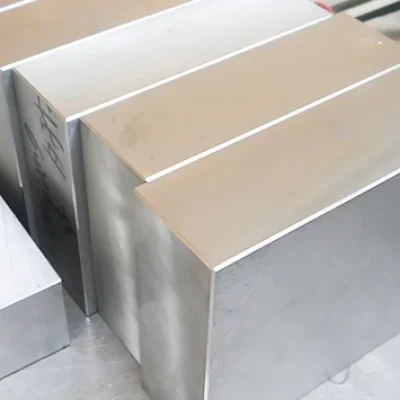
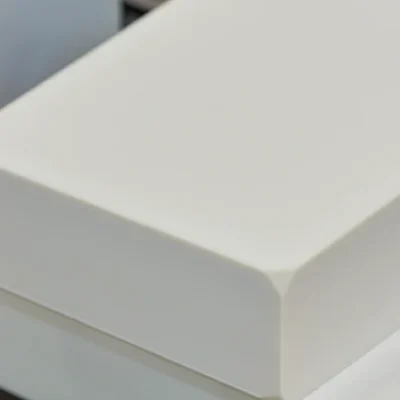
CNC Manufacturing Materials are usually divided into the following 5 categories according to the scientific classification system:
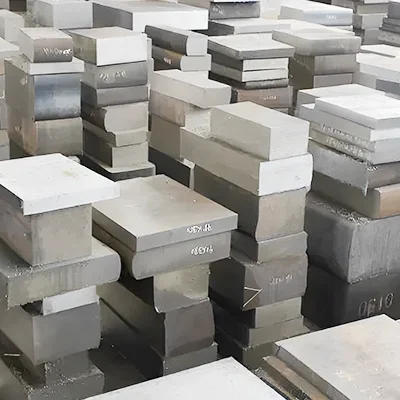
- Stainless Steel (SUS17-4, SUS316, SUS304, SUS303, SUS301)
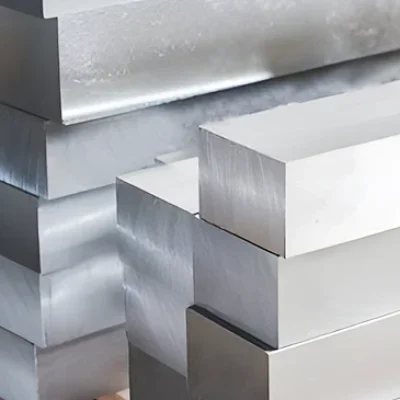
- Alloy Aluminum (A7075-T6, A6082-T6, A6061-T6, A6063-T6)
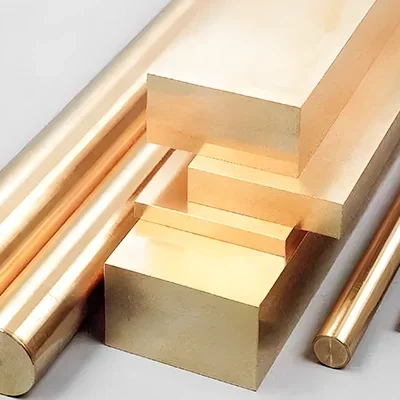
- Brass (C36000, C23000, C27200, C46400, C35300, C27400)
- Carbon Steel (ASTM1018,1030,1045, 4140, 8620, 12L14)
- Plastic (POM, DELRIN, PA6, PEEK, PP, HDPE, PMMA)
How Do I Choose the Right Material for CNC Machining?
Selecting a CNC machining material is not simply a matter of choosing the strongest or lowest-cost option. The appropriate material should balance part function, mechanical requirements, operating conditions, machinability, dimensional stability, finishing requirements, production volume, and total manufacturing cost.
Once these requirements are defined, the material options can be compared according to their properties and typical CNC machining applications.
| Material Group | Common Materials | Key Characteristics | Typical CNC Applications |
|---|---|---|---|
| Aluminum | 6061, 7075 | Lightweight, good machinability, corrosion resistance, suitable for various surface finishes | Housings, brackets, fixtures, structural components |
| Stainless Steel | 303, 304, 316, 420 | Corrosion resistance, strength, durability | Shafts, fittings, machine components, industrial parts |
| Carbon & Alloy Steel | S45C / 1045, SCM440 / 4140 | High strength, wear resistance, suitable for mechanical applications | Shafts, gears, machine parts, tooling components |
| Brass & Bronze | Brass, Bronze | Good machinability, corrosion resistance, good wear characteristics | Bushings, fittings, connectors, precision components |
| Copper | Copper and selected copper alloys | High electrical and thermal conductivity | Electrical components, heat-transfer parts, electrodes |
| Titanium | Selected titanium grades | High strength-to-weight ratio and good corrosion resistance | High-performance precision components |
| Engineering Plastics | POM (Delrin), PEEK, PTFE, Nylon, PC, Acrylic | Lightweight, corrosion resistant, electrical insulation and application-specific properties | Insulators, guides, spacers, covers, custom machine components |
FAQ — CNC Machining Materials

1. What materials can TDB Hanoi machine?
TDB Hanoi machines a wide range of metals and engineering plastics, including aluminum, stainless steel, carbon and alloy steel, brass, bronze, copper, titanium, POM (Delrin), PEEK, PTFE, nylon, polycarbonate, and acrylic. Material availability depends on the required grade, dimensions, and project specifications.
2. How do I choose the right material for CNC machining?
Material selection depends on the part’s function, mechanical properties, operating environment, weight, corrosion resistance, dimensional requirements, surface finish, and production cost. TDB Hanoi can review your drawings and technical requirements to help determine a suitable material and machining approach.
3. What are the most common metals used for CNC machining?
Aluminum, stainless steel, carbon and alloy steel, brass, bronze, and copper are commonly used for CNC machined parts. Each provides different advantages in strength, weight, corrosion resistance, conductivity, machinability, and cost.
4. Can TDB Hanoi machine engineering plastics?
Yes. TDB Hanoi can machine engineering plastics such as POM (Delrin), PEEK, PTFE, nylon, polycarbonate, and acrylic. These materials are commonly selected when applications require low weight, electrical insulation, chemical resistance, low friction, or other specific properties.
5. What aluminum grades are suitable for CNC machining?
Aluminum 6061 and 7075 are commonly used for CNC machining. The appropriate grade depends on required strength, weight, corrosion resistance, finishing requirements, and the intended application.
6. Can TDB Hanoi machine stainless steel parts?
Yes. Stainless steel is commonly used for precision components requiring strength, durability, and corrosion resistance. The machining strategy depends on the stainless steel grade, geometry, tolerances, surface requirements, and production quantity.
7. Can TDB Hanoi machine brass, copper, and bronze?
Yes. TDB Hanoi can machine brass, copper, bronze, and selected copper alloys. These materials are commonly used for fittings, bushings, electrical components, connectors, heat-transfer parts, and other precision components.
8. Can customers specify a particular material grade?
Yes. Customers can specify the required material and grade in their drawings or RFQ documentation. TDB Hanoi reviews material requirements together with tolerances, surface finish, inspection requirements, quantities, and other technical specifications before production.
9. Can material certificates and traceability documentation be provided?
Material documentation can be included when required by the project. Customers should specify any material certificate or traceability requirements when submitting an RFQ so these requirements can be reviewed before quotation and production.
10. How does material selection affect CNC machining cost?
Material selection can affect raw material cost, machining time, cutting-tool wear, production efficiency, finishing, and inspection requirements. Part geometry, tolerances, quantities, and surface treatments also contribute to the final manufacturing cost.
11. How can TDB Hanoi help with CNC material selection?
Send us your 2D or 3D drawings together with the application, material requirements, tolerances, surface finish, quantities, and inspection requirements. TDB Hanoi can review the project from a manufacturability perspective and discuss suitable material and machining options before production.
CNC Machining Materials at TDB Hanoi
Material selection plays an important role in the performance, quality, manufacturability, and cost of CNC machined parts. TDB Hanoi works with a wide range of metals and engineering plastics to support custom components, prototypes, low-volume production, and repeat manufacturing.
Customers may specify the required material grade in their drawings or RFQ documentation. Our team reviews material requirements together with part geometry, tolerances, surface finish, inspection requirements, and production quantities to determine an appropriate machining approach. When material certificates or traceability documentation are required, these requirements can be reviewed and agreed upon before production.
Learn more about our [CNC machining capabilities] and [quality control process], or send your drawings to discuss your material requirements.
Alloy Aluminum
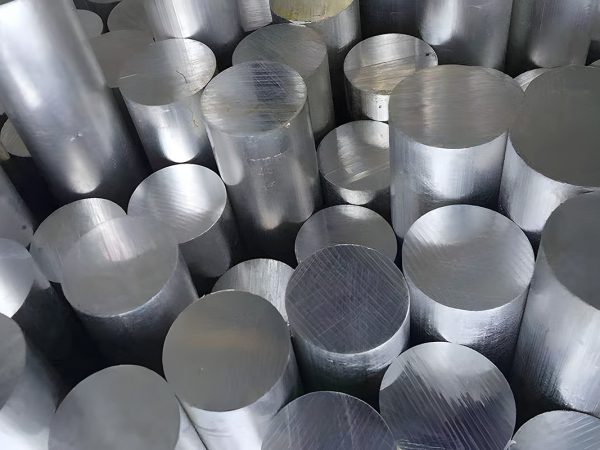
Round bar A6061-T6
Alloy Aluminum
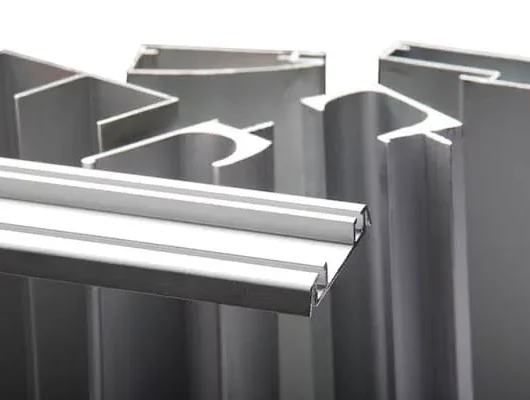
Extrusion bar A6063-T5
Alloy Aluminum
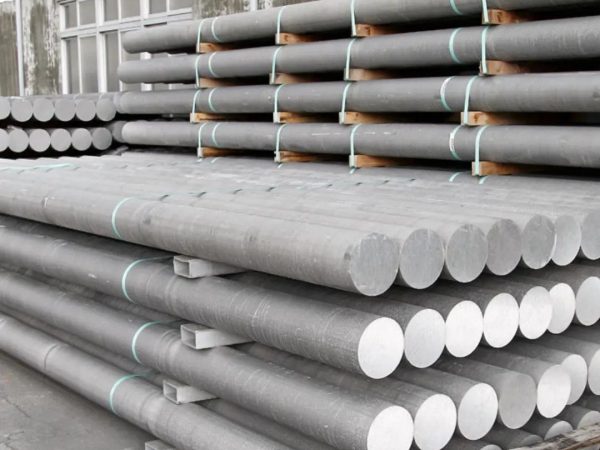
Alloy aluminum billet
Alloy Aluminum
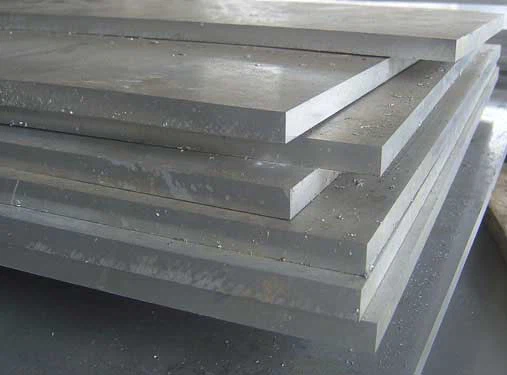
Aluminum Flat Bar A7075-T6
Alloy Copper
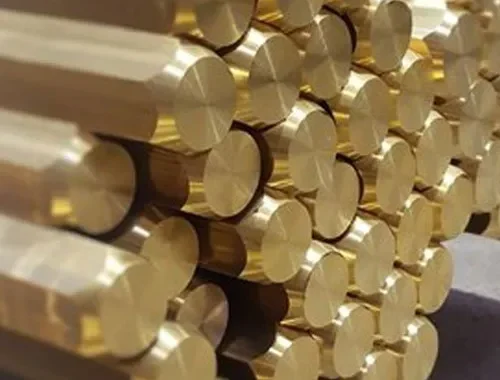
Rexagon bar C3600
Alloy Copper
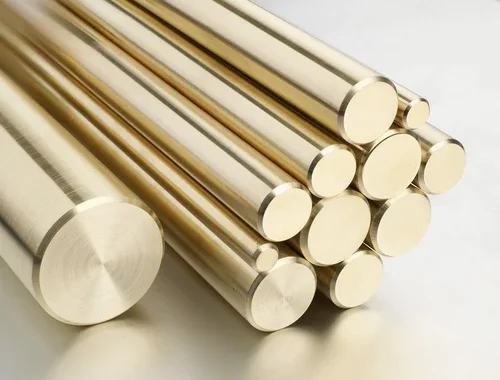
Rexagon bar C3600
Alloy Copper
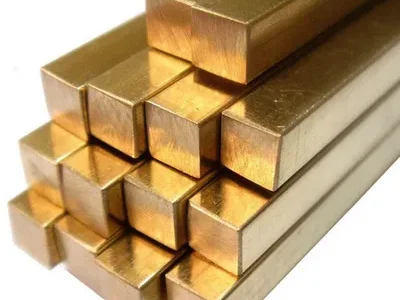
Rexagon bar C3600
Alloy Copper
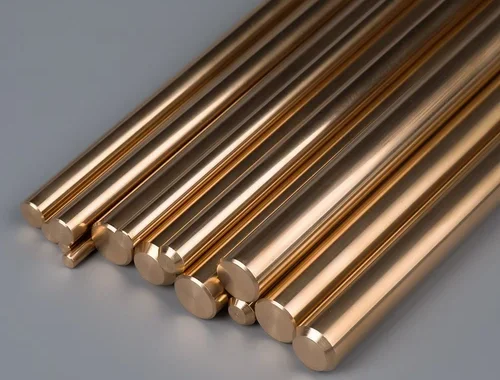
Rexagon bar C3600
Alloy Copper
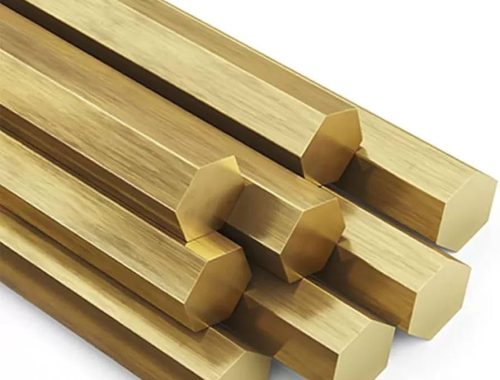
Rexagon bar C3600
Stainless Steel
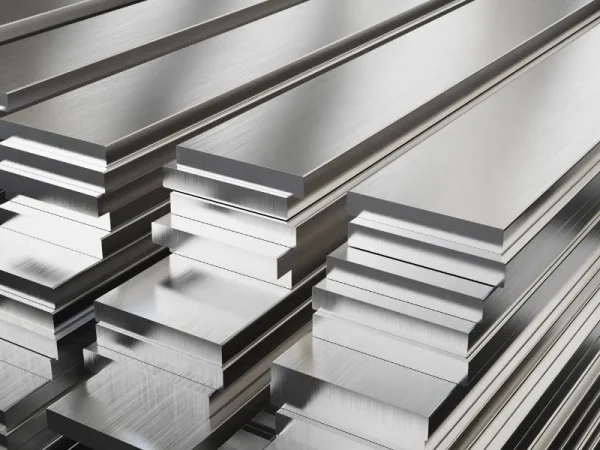
High heat resistance and strength.
Stainless Steel
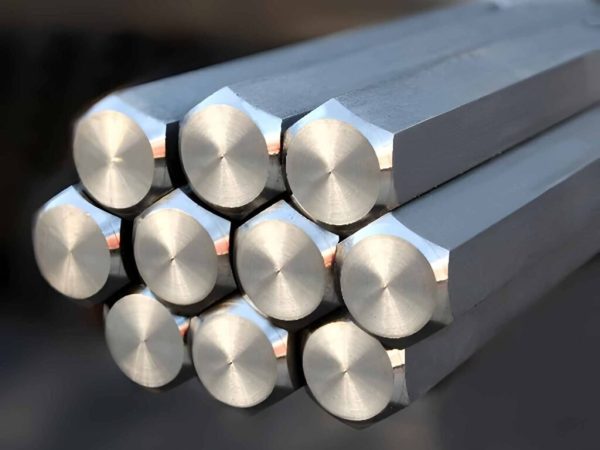
High heat resistance and strength.
Stainless Steel
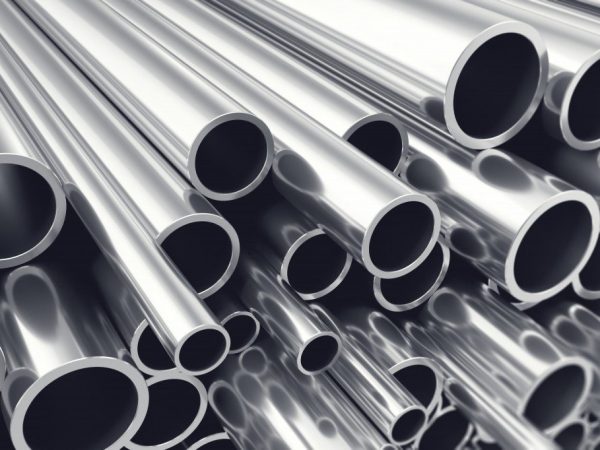
High heat resistance and strength.
Stainless Steel
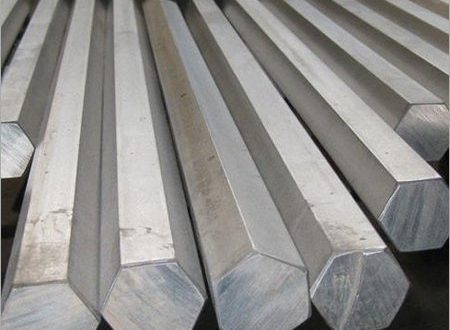
High heat resistance and strength.
Stainless Steel
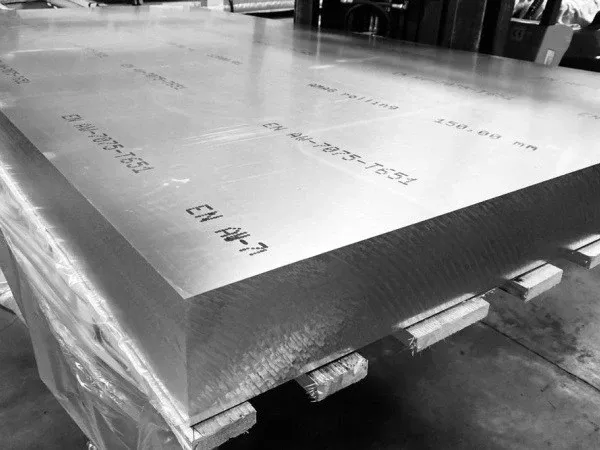
High heat resistance and strength.
Stainless Steel
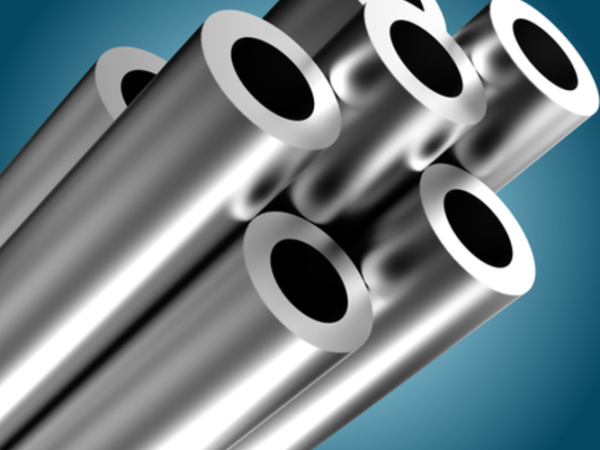
High heat resistance and strength.