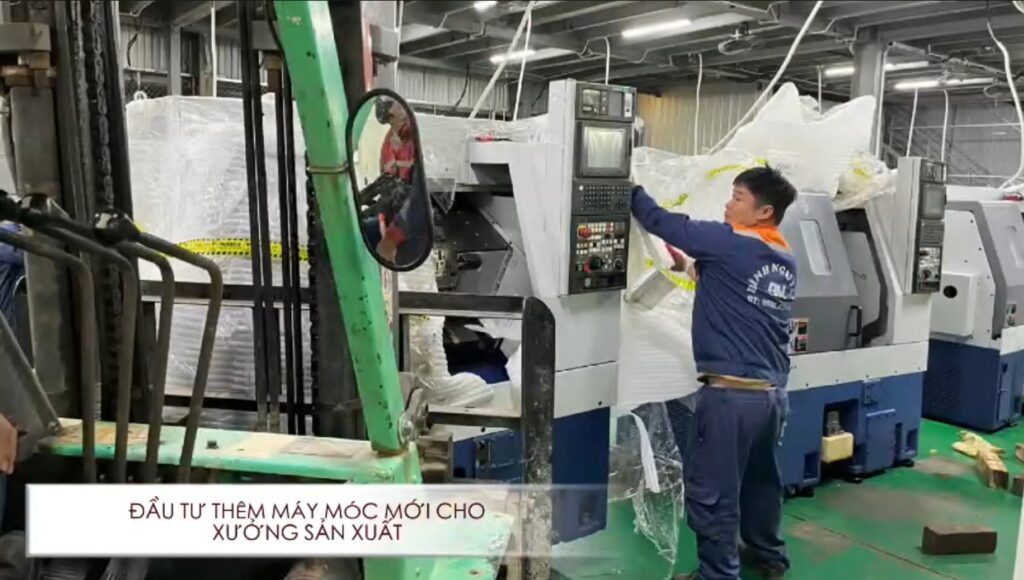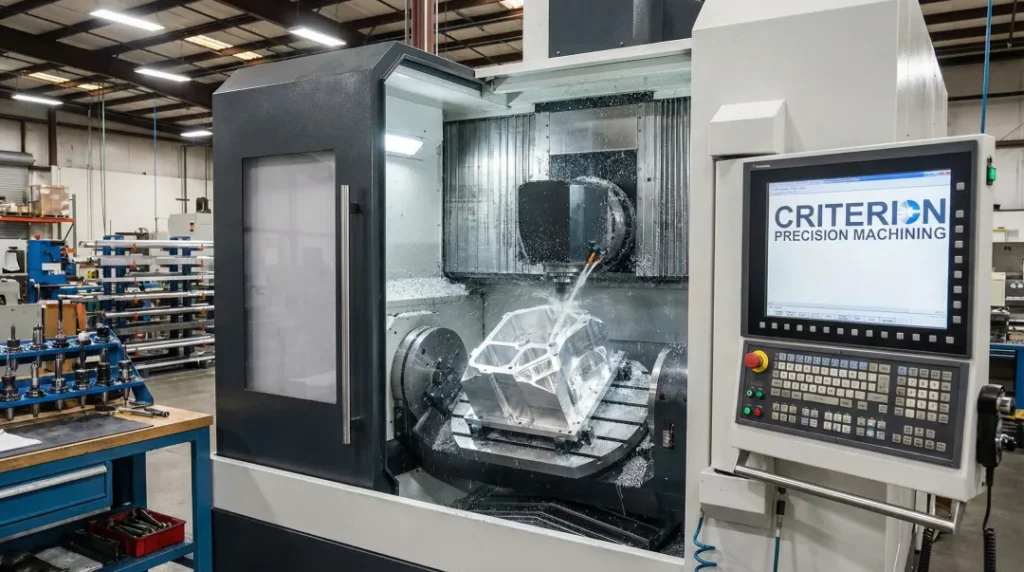
A productive CNC factory visit follows the route your parts will take: material receipt, machining, outside processing where applicable, inspection and shipment. Bring a representative drawing and a short list of qualification questions. Leave with evidence, open actions and a clear decision about the next step.
A general factory tour can introduce the business. A buyer audit needs a defined scope, suitable participants and a record of what was actually checked.
Prepare the qualification scope before booking the visit
Complete the initial supplier verification checks and establish which manufacturing site you need to see. Confirm the legal company name, factory entrance address, map location, host and phone contact. Allow realistic travel time between sites rather than scheduling visits from office addresses alone.
Check entry requirements for your passport, travel purpose and dates through the official Vietnam Immigration e-visa information and the appropriate official channels. Do not assume that US, German and Canadian passport holders have identical requirements. Visa arrangements and a factory appointment are separate matters. The US International Trade Administration’s business travel guide is another preparation reference.
Agree the working language, whether an interpreter is needed, photography permissions, personal protective equipment and any restrictions on bringing instruments, samples or electronic equipment. Respect other customers’ confidentiality when selecting what can be shown.
CNC factory visit: send a focused preparation package
- A controlled 2D drawing and relevant 3D model, with part and revision identifiers.
- Material, finish, critical dimensions and the intended production quantity.
- Required inspection records and your qualification checklist.
- The proposed agenda and names or roles of your participants.
- Topics that need engineering, quality, production or commercial staff to attend.
- Agreed confidentiality arrangements and a list of any samples you intend to bring.
Use the RFQ preparation guide to close technical gaps before the meeting. The factory should have time to prepare a meaningful response rather than guess at a route during the tour.
A suggested half-day factory audit agenda
The timings below are illustrative and should be agreed with the host. They are not a TDB appointment commitment. A complex program or multi-site process may require a different scope.
| Session | Illustrative duration | Expected output |
|---|---|---|
| Opening and project scope | 15 minutes | Confirm part revision, audit scope and confidentiality. |
| Drawing and manufacturing route | 25 minutes | Main operations, technical questions and subcontracted work. |
| Material and production walk-through | 40 minutes | Selected evidence of identification, routing and process control. |
| Inspection and quality records | 30 minutes | A method for critical features and suitable record examples. |
| Planning, suppliers and shipment | 25 minutes | Capacity dependencies, outside-process control and delivery assumptions. |
| Commercial and communication review | 15 minutes | Contact roles, open quotation points and next steps. |
| Closing and action register | 20 minutes | Evidence reviewed, gaps, owners and agreed due dates. |
Follow one part or lot through the system
Choose your drawing or, where confidentiality prevents access to live customer work, an agreed demonstration example. Ask the team to explain how an order becomes a production instruction and how the current drawing reaches the workstation.
Material receipt and identification
Look for a practical connection between the material requirement, received stock and supporting record. Ask how identification survives cutting or splitting a bar or plate. Discuss what happens when a supplier proposes a different grade, condition or source. The aluminum guide and steel guide provide questions for that review.
Setup, machining and change control
Ask which machine and setup strategy fit the example. Examine how the first part is checked, how offsets or program changes are authorized, and how the next shift knows the current status. Do not ask operators to interrupt a live process unsafely for a demonstration.
If work is subcontracted, ask how the correct specification is transmitted and how the returned lot is identified and accepted. The audit should reflect the actual route, including work outside the building.
Inspection and nonconforming product
Select a critical characteristic and ask how it is measured. Review the relevant instrument status and an appropriate record. A measurement demonstration should follow an agreed method; merely seeing a CMM does not establish that it can verify every feature on your part.
Ask how suspect material or finished parts are identified, separated and released. Use the export-part quality-control guide to define the acceptance and shipment evidence your project needs.
Record observations without overstating the conclusion
| Audit question | Evidence reviewed | Open item | Owner / due date |
|---|---|---|---|
| Is the correct revision available at the point of use? | Record the selected example and revision. | Any mismatch or untested step. | Agree at closing. |
| Can the material lot be traced after cutting? | Record the identification and certificate link reviewed. | Any break in the selected route. | Agree at closing. |
| Can the critical feature be measured as required? | Record method, equipment and evidence examined. | Method validation or access still needed. | Agree at closing. |
| What controls the outsourced operation? | Record the approved instruction and return check. | Supplier/process evidence not yet reviewed. | Agree at closing. |
| What supports repeat-order delivery? | Record the planning assumptions discussed. | Capacity or material allocation still open. | Agree at closing. |
Distinguish “observed,” “document reviewed,” “explained but not verified” and “not assessed.” One sampled lot cannot demonstrate every process or every shift. Record that limit so the qualification decision remains proportionate to the evidence.
Close the visit with a release decision and next actions
Summarize the technical fit, unresolved risks and evidence required next. Decide whether to continue the evaluation, request more information or proceed to a controlled sample order. Do not treat attendance at a factory as production approval.
For an approved trial, define the drawing revision, material, sample quantity, measurement report and deviation approval process. Use the prototype-to-series production roadmap to separate sample acceptance from release of repeat orders.
Before a TDB visit, share the components and audit topics you want to discuss so the relevant team can confirm the arrangements. Keep photographs and records within the permissions agreed with the host.
Frequently asked questions
Can I evaluate a supplier remotely before travelling?
Yes. An agreed video review and document discussion can help narrow the shortlist. Decide which remaining requirements need an on-site review or trial evidence.
Should I bring a sample part?
An authorized sample can help explain the requirement. Confirm confidentiality, transport and any import or entry requirements before carrying it.
Can I photograph the entire factory?
Obtain permission and follow the agreed boundaries. Other customers’ products, drawings, screens and process information may be restricted.
Does a successful audit replace sample approval?
No. A site audit assesses selected systems and evidence. The actual component still needs the technical and quality acceptance agreed for the trial or production order.
Prepare a focused visit to TDB Hanoi
Send your representative drawing, intended order pattern and the topics you want to verify. Ask the team to confirm the site, participants and agenda.
Part 3 of our international buyer guide. Return to Precision CNC Machining in Vietnam.