Automated CNC Turning Services
Not just a quote. Upload your 3D files of parts precision-built in as fast as 5 days.
- ±0.0254mm tolerances
- ISO 9001 & Materials certified
- 1-5 day lead times
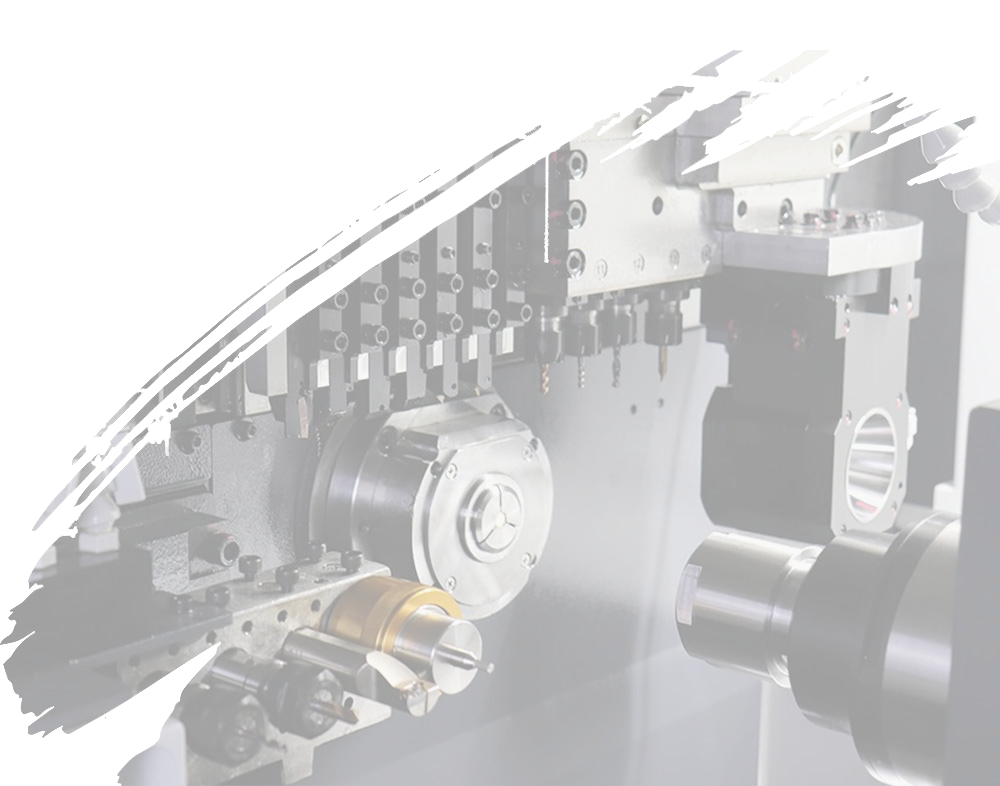
Why Choose Automated CNC Turning Services?
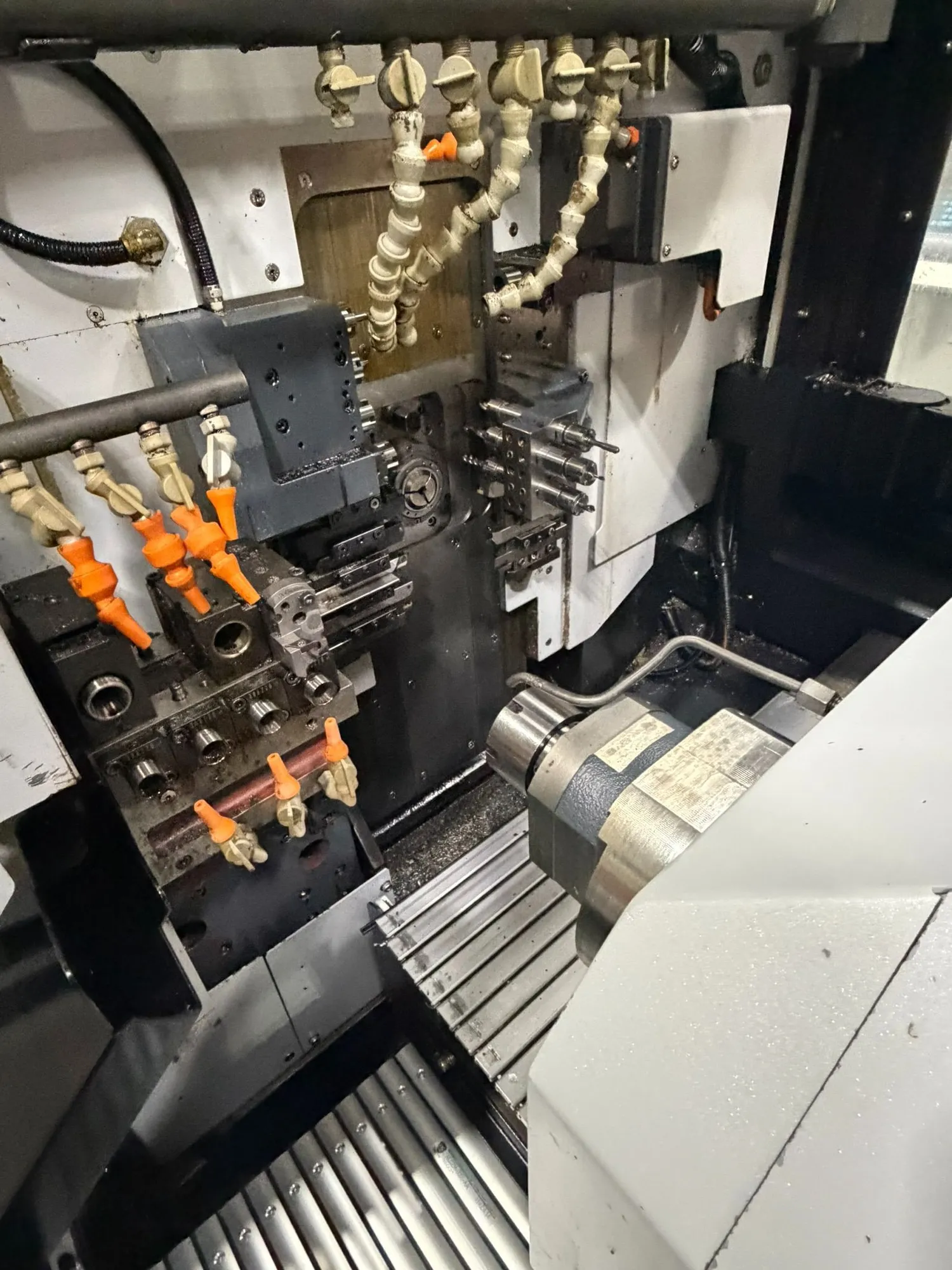
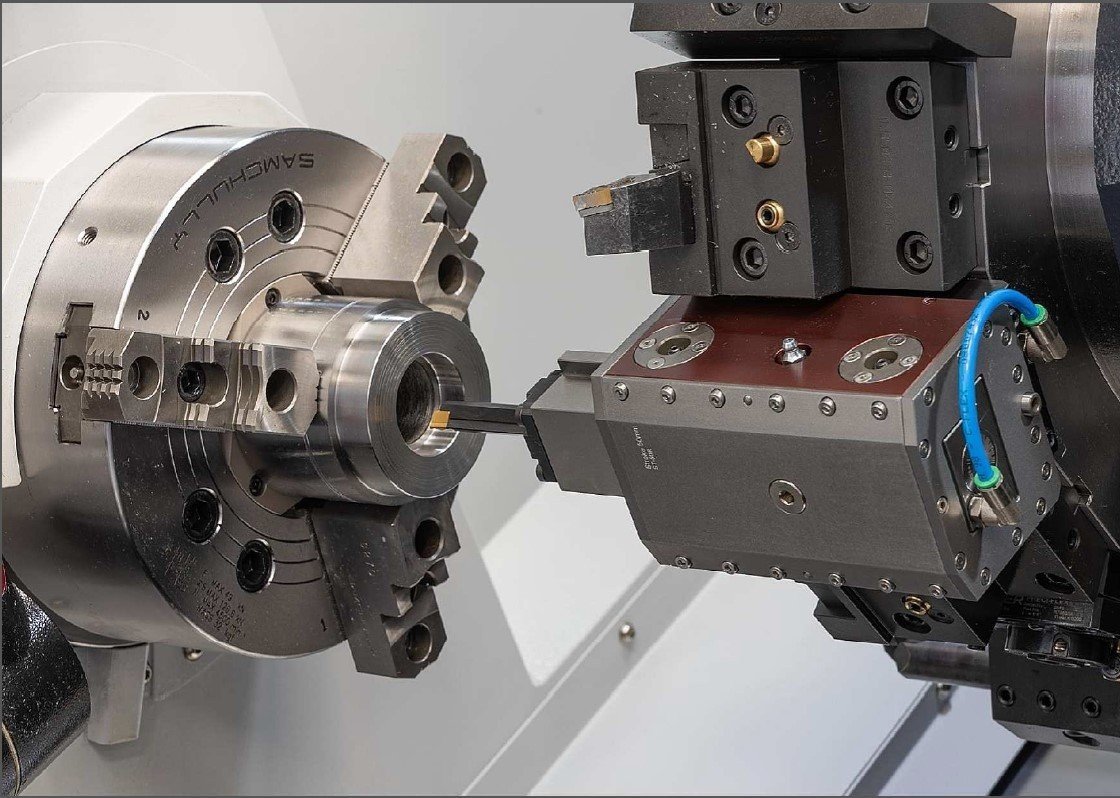
There’s a growing need to make super-detailed and complicated parts (like curves on multiple angles or deep hollow spaces). Traditional Swiss CNC machining technology can’t handle these well, but multi-axis machines with spinning worktables can easily solve these problems!
Swiss CNC Turning Advantages
1. Complex Shapes in One Setup
- Cut multi-angle features like turbine blades (defects ↓26%)
2. Medical-Grade Finishes
- Achieve Ra<0.4μm surfaces (bone implants ready)
3. Smart Cost Control
- Use 1 fixture instead of 12 (aircraft parts)
- Deliver complex molds in 4 days vs 7 days
Automated CNC Turning Benefits
1. Enhanced Rotation Efficiency
- Machine gears/shafts in one clamp
- CNC factories lack rapid prototype tooling expertise
- Separate vendors create tolerance mismatches (e.g., 3D printed jigs vs. molded parts)
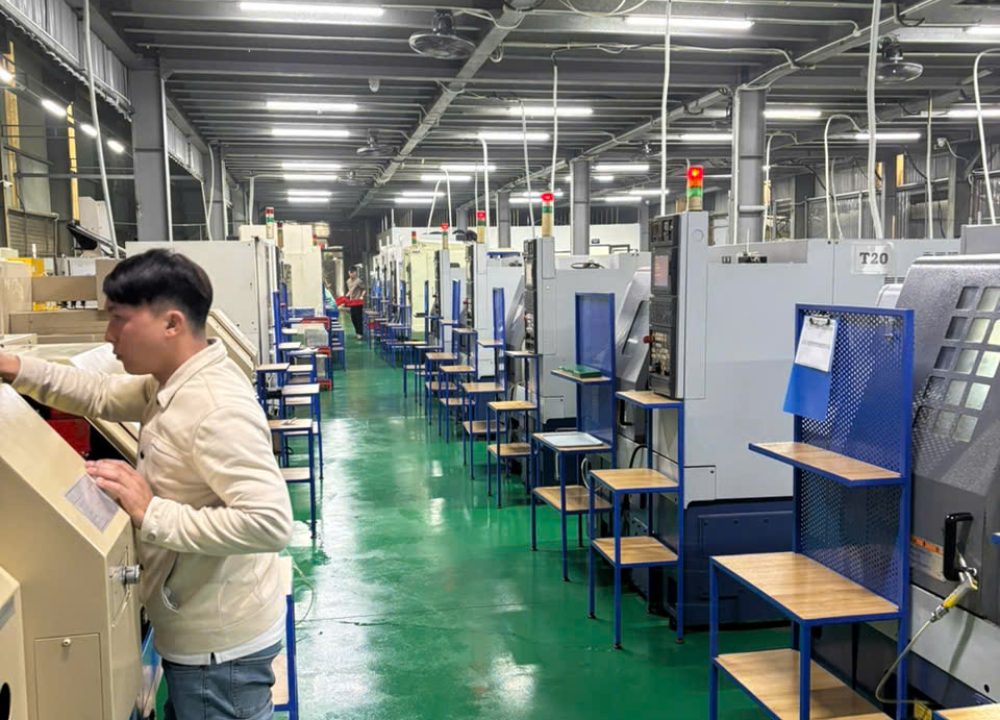
Craft Perfection with a Click
Industry Applications of Automated CNC Turning Services
According to statistics, enterprises adopting multi-axis precision machining solutions have reduced repetitive fixture setups by 70% on average and shortened production cycles for complex components by over 35%. Among the global TOP 10 medical device suppliers, 9 have integrated 4-axis machining into their core processes. In the aerospace sector, multi-axis systems help manufacturers avoid more than 26,000 part scrappages annually due to precision-related defects. Similar 3-axis and 4-axis machining technologies are widely applied across industries, such as:
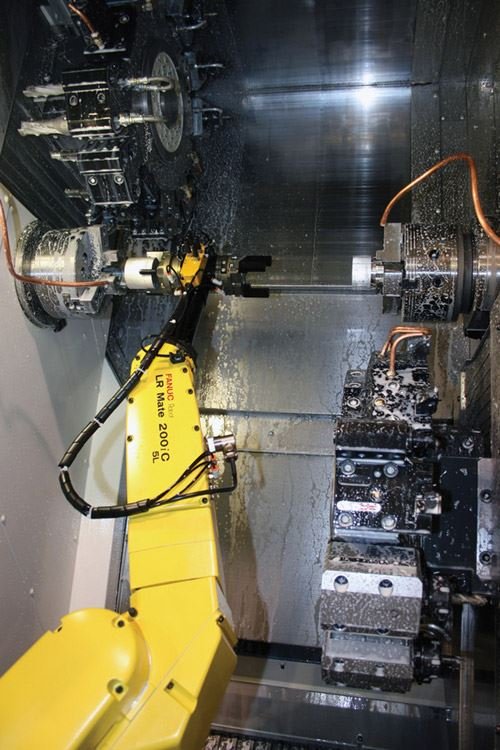
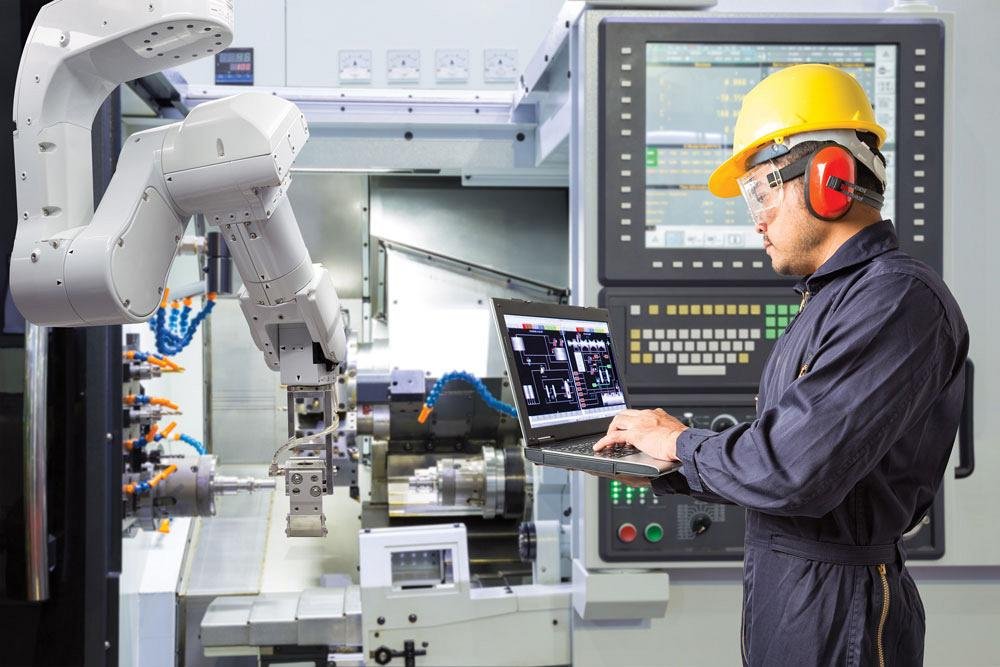
Hydraulic Manufacturing
Applications:
High-pressure fuel injector nozzles, aluminum EV battery trays with integrated cooling channels, and turbocharger turbine housings.
Examples of technical challenges:
- ±0.005mm fuel injector channel tolerances
- 40% faster EV battery tray milling via 4-axis vibration-dampened toolpaths
Vacuum Engineering
Titanium engine mounts, composite material radar domes, and turbine blade tip seal grooves.
Examples of technical challenges:
- 0.2μm Ra radar dome surfaces
- Hardened Inconel blade slots needing 4-axis 17° tilt-angle machining
Medical Devices
Porous titanium spinal cages, cobalt-chromium knee joint femoral components, and endoscopic tool shafts.
Examples of technical challenges:
- 0.03mm porous spinal implants with 5-axis micro-milling
- Biocompatible mirror finishes (<0.1μm Ra) using 4-axis C-axis grinding
Industrial Projects
Multi-cavity injection molds, die-casting inserts for automotive lighting, and stamping die assemblies.
Examples of technical challenges:
- 15° tool angles eliminate EDM, cutting mold lead time by 40%
- 0.005mm lens curvature consistency across 500+ cycles with 4-axis polishing
How to start a project with Automated CNC Turning Services
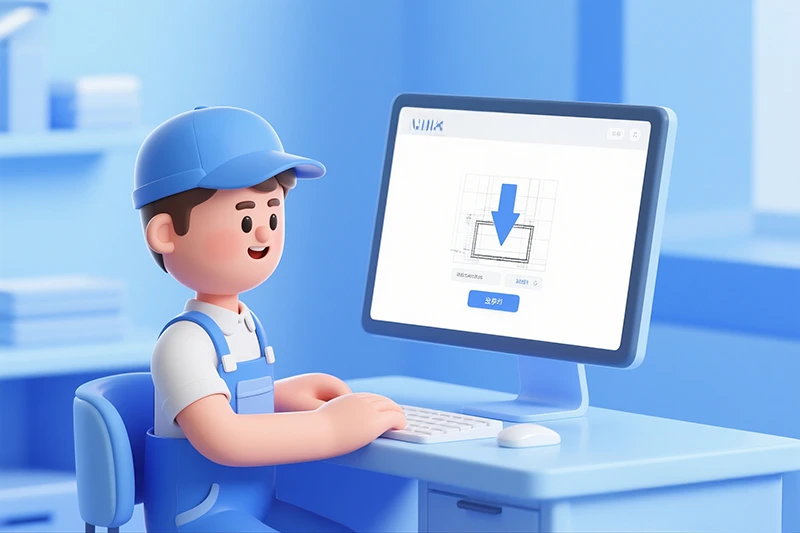
1. Send CAD files (STEP/IGES preferred)

2. Get DFM analysis within 24hr
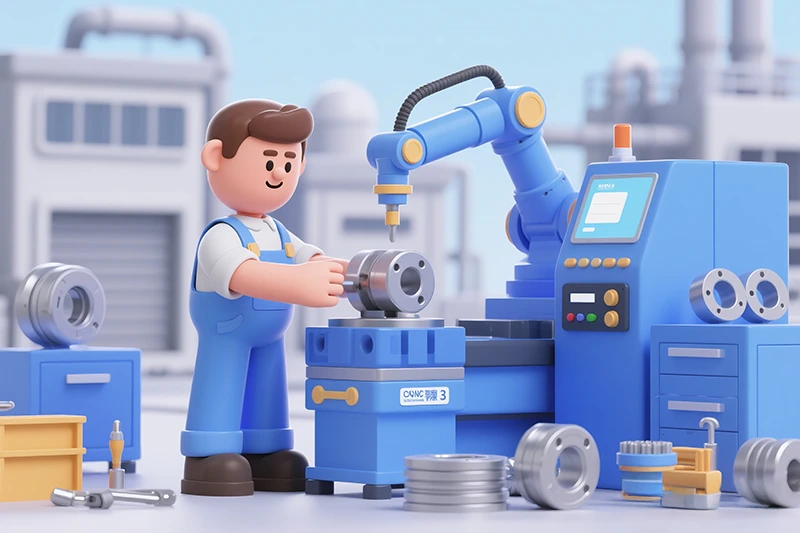
3. Parts Machining By Swiss & Auto CNC Turning machines

4. Receive first-article inspection reports pre-shipment
Industry Applications of Automated CNC Turning Services
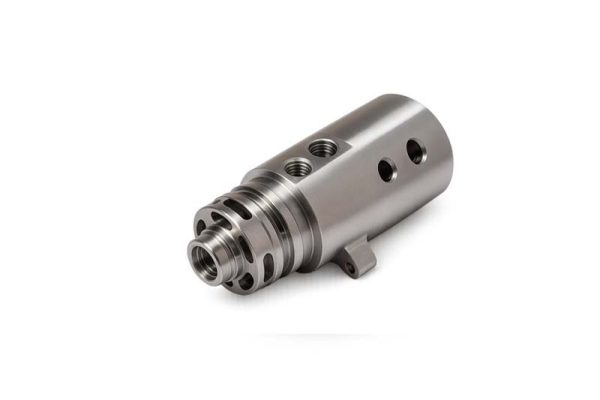
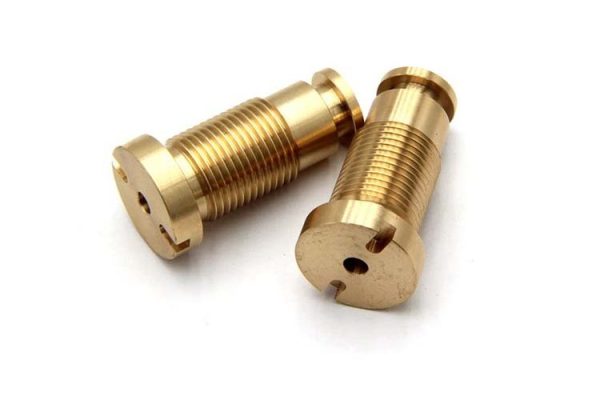
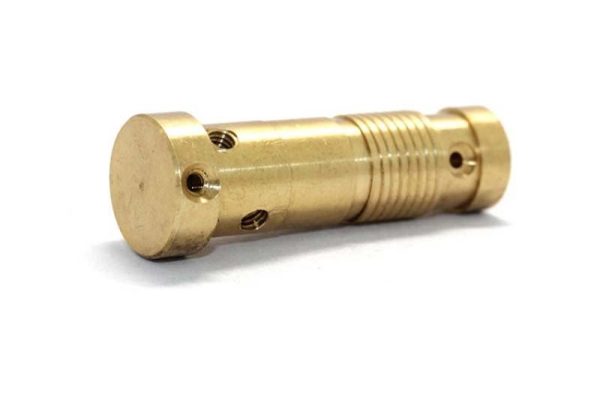
Swiss & Auto CNC Turning are types of multi-axis CNC machining. Typically, both processes can complete the machining of most shapes.”
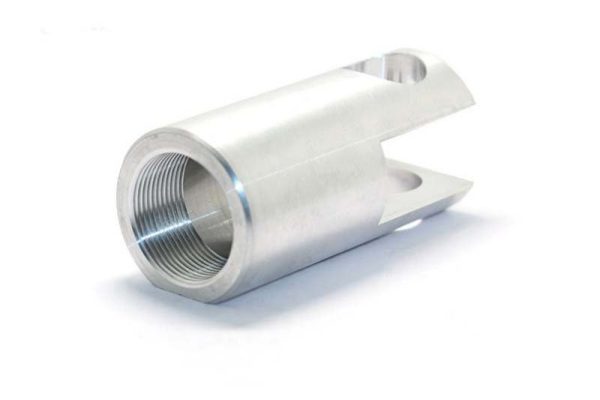
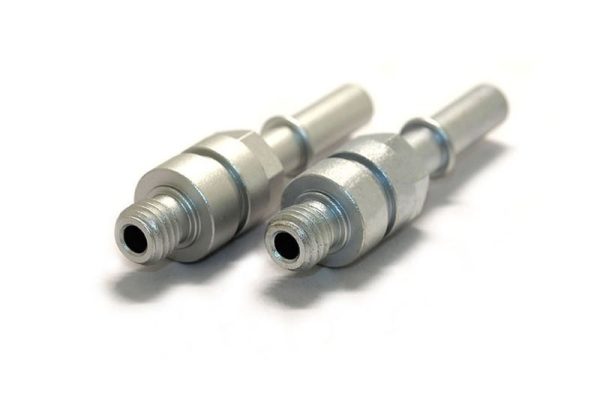
Machining Tolerance Standard
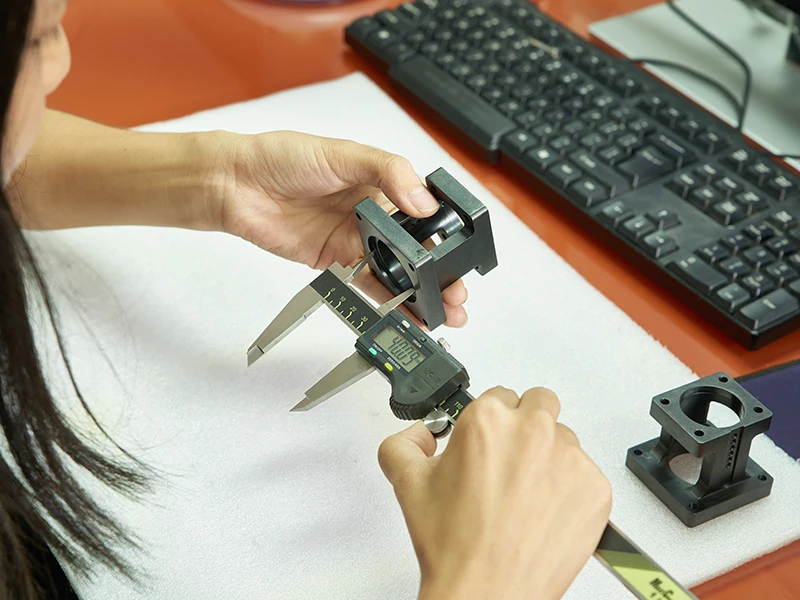
This table outlines TDB Tech’s recommended tolerance standards. If you do not have specific tolerance requirements for your product, we will proceed with machining based on the standard class. Additionally, our colleagues will contact you promptly to analyze and recommend tolerances for your product based on our experience.

Automated CNC Turning FAQ
What materials can your 7-axis machines handle for high-temperature applications?
Our 7-axis heat-resistant machining processes Inconel 718 (HRC 45), titanium Ti-6Al-4V, and PEEK composites, achieving:
- 200°C+ cutting stability with liquid-cooled spindles
- 0.02mm flatness on ceramic turbine shrouds after 8-hour continuous runs
Is Swiss CNC turning cost-effective for small batches under 50 pieces?
Yes! Multi-axis prototyping cuts costs by:
No fixture investments – 100+ part variations machined with standard vises
30% lower per-unit cost vs. 3-axis after 20+ units (via reduced setups)
How do you prevent tool deflection in deep 7-axis cavity machining?
Our 7-axis rigidity control protocol combines:
AI-powered feed rate adjustment based on real-time vibration sensors
Modular tool extensions (L/D ratio up to 12:1) for mold cores >150mm deep
Can you machine optical-grade surfaces without polishing?
With 5-axis diamond turning, we deliver:
Ra 0.02μm mirror finishes on aluminum reflector molds
<0.1 arc-minute angular accuracy for laser collimator housings
Do your 7-axis services support Swiss-type lathe parts?
We optimize 7-axis mill-turn for complex shafts/connectors:
0.005mm concentricity on hypodermic needle hubs
Thread rolling + knurling in single setup for hydraulic fittings
Can you match our internal coating specs after CNC machining?
Post-processing options include:
Anodizing (MIL-A-8625 Type III)
Electroless nickel plating (ASTM B733 Class 4)
PVD coating for molds (AlCrN up to 3200HV)
Swiss Machining in Vietnam
TDB Hanoi provides Swiss machining in Vietnam for precision turned components requiring efficient machining, repeatability, and controlled production.
Swiss-type machining is particularly suitable for small, slender, and detailed components where conventional turning may not provide the most efficient manufacturing approach.
Our team supports international customers from drawing review and process planning through machining, inspection, secondary processes, and repeat production.
Send Your Drawings — Request a Quote
What Is Swiss Machining?
Swiss-type machining uses a sliding-headstock configuration designed to support material close to the cutting area.
This manufacturing method can provide advantages for suitable components with:
- Small diameters
- Long length-to-diameter ratios
- Detailed turned features
- Multiple machining operations
- Repeat production requirements
- Complex rotational geometries
The decision to use Swiss machining depends on component geometry, material, tolerances, production quantity, and overall manufacturing requirements.
Precision Swiss Machined Parts
Swiss machining can be used for components such as:
- Precision pins
- Shafts
- Bushings
- Sleeves
- Connectors
- Fittings
- Threaded components
- Small mechanical components
- Custom precision turned parts
Every component is reviewed against the customer’s drawing before the production process is confirmed.
Materials for Swiss Machining
TDB Hanoi supports Swiss machining for suitable materials including:
- Stainless steel
- Steel
- Aluminum
- Brass
- Copper
- Engineering plastics
Exact material grade and documentation requirements should be defined in the RFQ.
Material machinability, geometry, surface requirements, and production quantity are considered when determining the manufacturing strategy.
Swiss Machining for Repeat Production
Swiss machining can be particularly effective when buyers require repeated production of suitable turned components.
However, manufacturing consistency requires more than machine capability.
Important controls include:
- Approved drawing revision
- Material requirements
- Process planning
- Tool management
- Critical-dimension inspection
- In-process controls
- Final verification
- Production records where required
These controls help support consistency between production batches.
Prototype & Production Qualification
For new projects, customers may choose to begin with a prototype or trial production order.
This allows both customer and manufacturer to evaluate:
- Manufacturability
- Dimensional performance
- Inspection methods
- Communication
- Quality documentation
- Packaging
- Delivery
After approval, the process can be prepared for repeat manufacturing according to customer demand.
Quality Inspection
Swiss-machined components may contain multiple small and interconnected features.
Depending on project requirements, inspection can include:
- Diameters
- Lengths
- Threads
- Bores
- Grooves
- Position-related features
- Geometric requirements
- Surface condition
Inspection equipment and methods are selected according to drawing requirements and feature accessibility.
TDB Hanoi’s quality capabilities include CMM, VMM, and other appropriate precision measurement equipment.
Secondary Operations & Finishing
Where required, Swiss-machined parts may be combined with secondary manufacturing processes such as:
- Additional CNC machining
- Grinding
- Deburring
- Heat treatment
- Surface finishing
- Plating
- Assembly
- Custom packaging
Applicable requirements are reviewed as part of the complete manufacturing scope.
From Drawing to Repeat Production
Our typical Swiss machining workflow is:
1. Drawing Review
Review geometry, material, tolerances, quantity, and inspection requirements.
2. Process Selection
Determine whether Swiss-type machining is appropriate for the component.
3. Production Planning
Define machining sequence, inspection points, and secondary processes.
4. Trial / First-Part Verification
Verify initial manufacturing results against agreed requirements.
5. Production
Manufacture components according to the approved process.
6. Final Inspection & Delivery
Complete agreed inspection, documentation, packaging, and shipment requirements.
Why Choose TDB Hanoi for Swiss Machining?
TDB Hanoi combines Swiss machining with broader CNC manufacturing capabilities including milling, turning, quality inspection, and supporting production processes.
This allows international customers to work with a manufacturing partner capable of supporting different component types within the same supply relationship.
Our focus is on:
Precision · Process Control · Quality · Communication · Repeatability
Request a Swiss Machining Quote
Looking for Swiss machining in Vietnam?
Send TDB Hanoi your component drawings and requirements.
Include:
2D/3D Drawings · Material · Tolerances · Quantity · Surface Finish · Inspection Requirements · Annual/Repeat Demand
Our team will review whether Swiss machining is the appropriate manufacturing process for your component.
Request a Quote