
CNC Turning Services in Vietnam
Drawing-based turning for shafts, sleeves, bushings, threaded parts and other rotational components. TDB Hanoi connects workholding, machining sequence and inspection to the functional requirements of each part.
CNC turning for functional rotational parts
TDB Hanoi provides CNC turning for shafts, sleeves, bushings, pins and threaded components. The process creates diameters, shoulders, faces, grooves and threads from a rotating workpiece. We review how these features locate and function together before defining the holding method, machining sequence and inspection references. Flats, cross holes and other secondary features can be reviewed for a combined turning and milling route.
- Turning and mill-turn configurations matched to the drawing
- Datum transfer considered when a second setup is needed
- Critical diameters, threads and mating faces reviewed together
- Dimensional, roundness and surface checks selected by feature
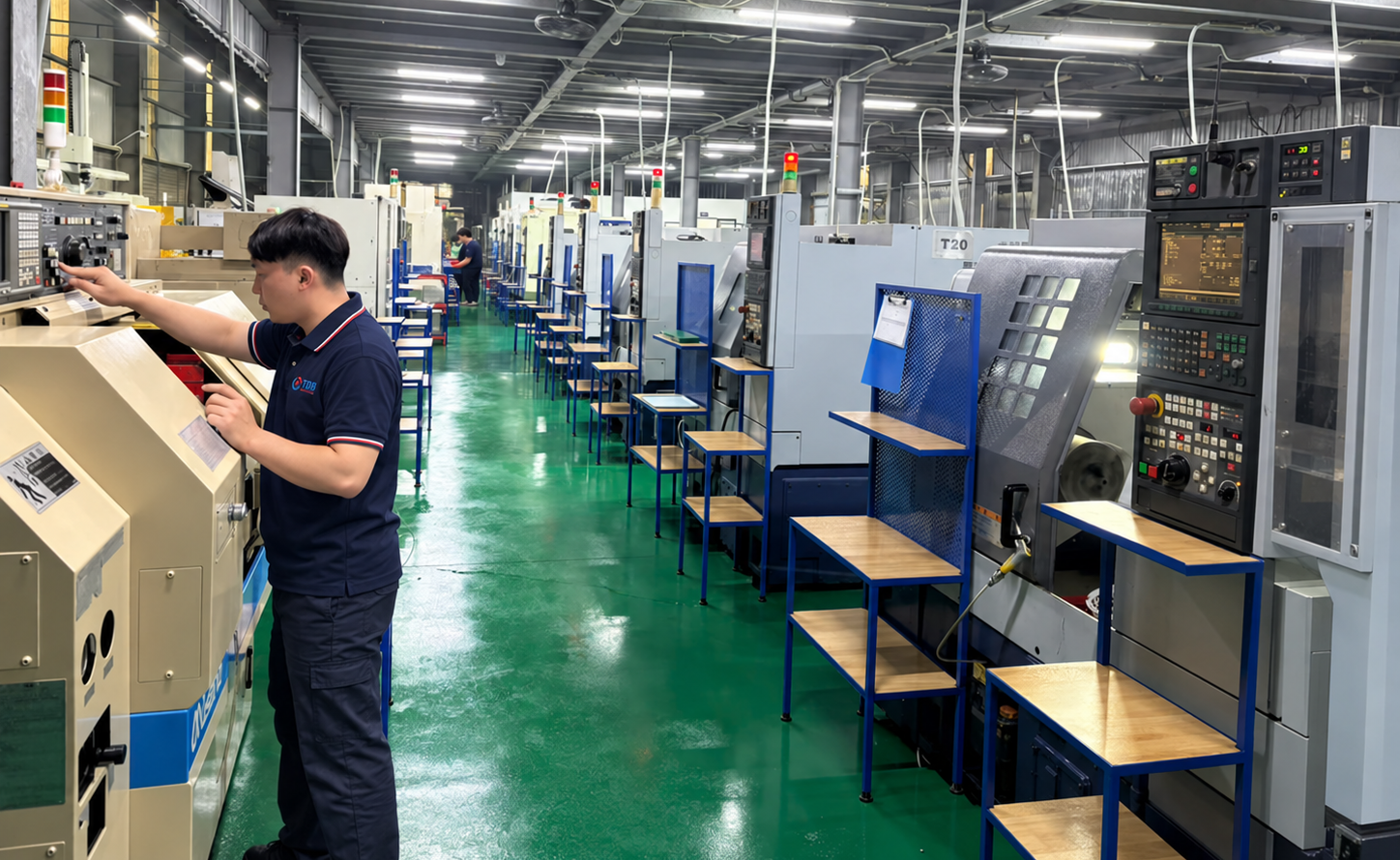
Equipment and machining tolerances
The equipment list dated 12 November 2026 contains 20 CNC turning machines, including Mori Seiki, Takishawa and Yashu equipment. The configurations below follow the wording in that list.
| Maker / model | Listed configuration | Qty | Listed diameter |
|---|---|---|---|
| MORI SEIKI CL2000 | 3-axis turning | 12 | Max Ø350 mm |
| MORI SEIKI CL1500 | 3-axis turning | 2 | Max Ø350 mm |
| MORI SEIKI SL153 | Twin-spindle turning | 1 | Max Ø350 mm |
| TAKISHAWA TC-20 | 3-axis turning | 1 | Max Ø350 mm |
| YASHU CK46 | 5-axis mill-turn | 2 | Max Ø46 mm |
| YASHU CK36 | 5-axis mill-turn | 2 | Max Ø36 mm |
Listed diameters are equipment-list references, not a promise that every component can be machined at that size. Stock diameter, length, chucking, rigidity and tool access are checked for the proposed route.
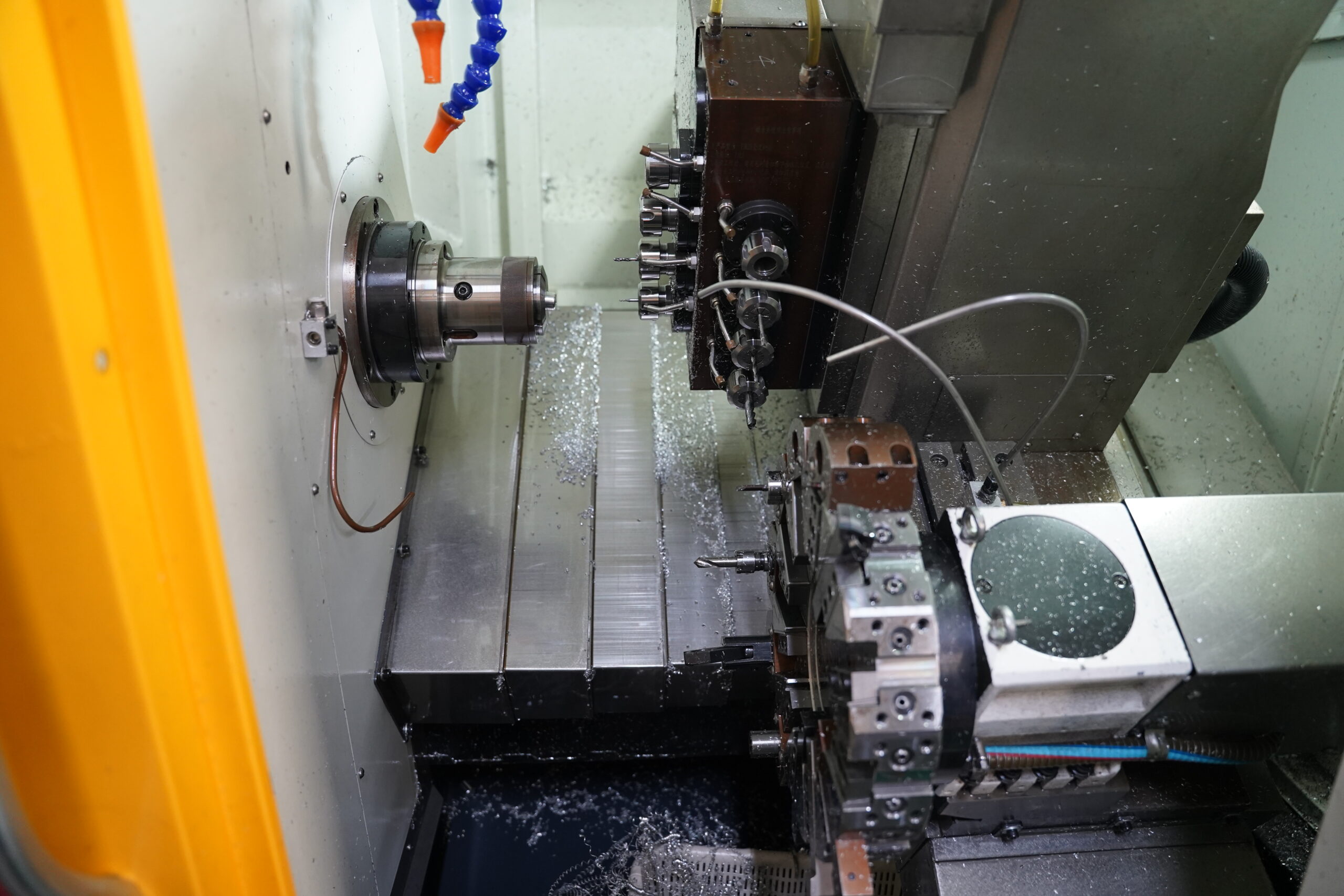
See the complete equipment list for additional model information.
Materials selected for the part and application
Projects can be reviewed in the material families below. Grade, condition, stock form and certificate requirements are confirmed against your drawing before order release.
Aluminum
Specify alloy, temper, wall thickness and any anodized or cosmetic surfaces.
Stainless steel
Specify the grade, material condition and any passivation requirement.
Carbon & alloy steel
Define the grade, heat-treated condition, critical fits and required coating.
Brass, bronze & copper
Specify the alloy and stock form, with any plating or appearance requirement.
Material availability and any substitution require confirmation. Explore TDB’s material capability information.
Surface finishing planned with machining
For turned parts, external surface treatment must be considered at mating diameters, sealing faces and threads. Plating or coating requirements can affect the final acceptance condition, while passivation and cosmetic treatment have their own specification needs. TDB reviews the complete drawing and coordinates the agreed external processing scope with finishing providers.
Aluminum finishing
Anodizing or a specified coating can be reviewed. Identify masked surfaces, final fits and the color or appearance reference.
Stainless steel treatment
Passivation or another specified surface treatment is reviewed against the required process and acceptance criteria.
Plating & protective coatings
For steel and copper alloys, define the coating system, thickness, threads, protected areas and final-condition inspection.
External process availability, specification and release records are confirmed in the quotation. Heat treatment is defined separately where required.
Component applications across manufacturing
The examples below show where this machining route can fit. Suitability, industry-specific requirements and acceptance evidence are reviewed for each component.
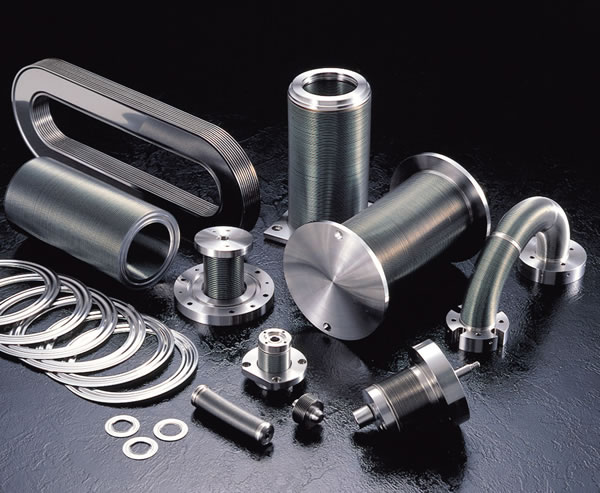
AI-generated illustrations of industry applications.
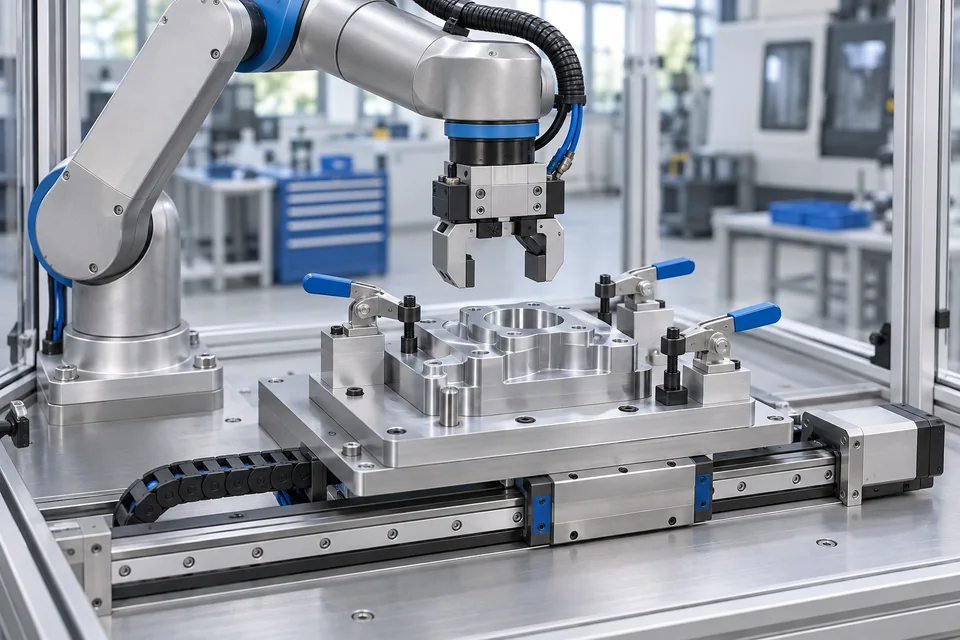
Automation & motion
Shafts, pins and spacers for positioning and mechanical movement.
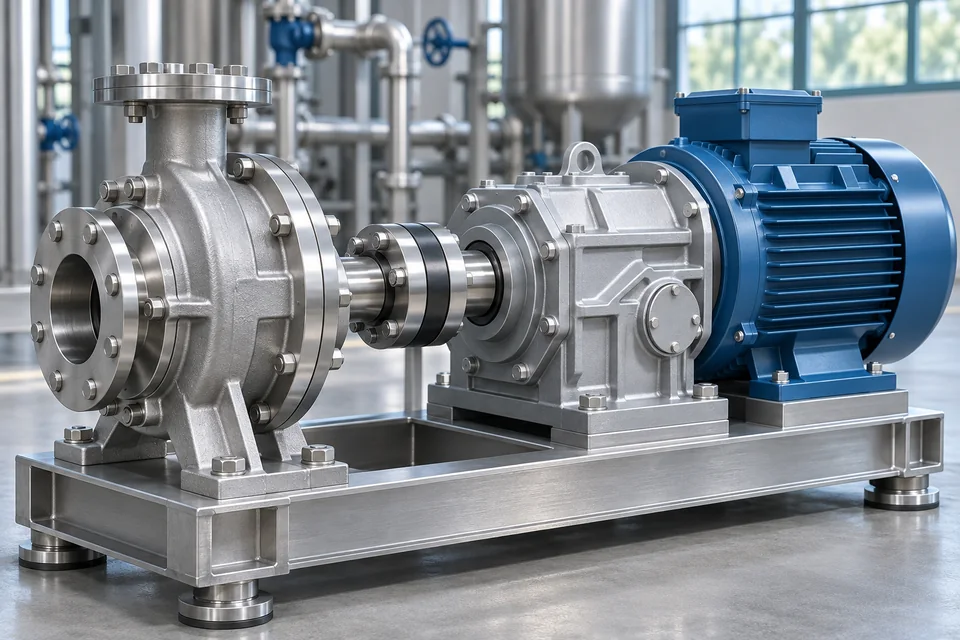
Industrial machinery
Bushings, sleeves and rotational parts manufactured to the assembly drawing.
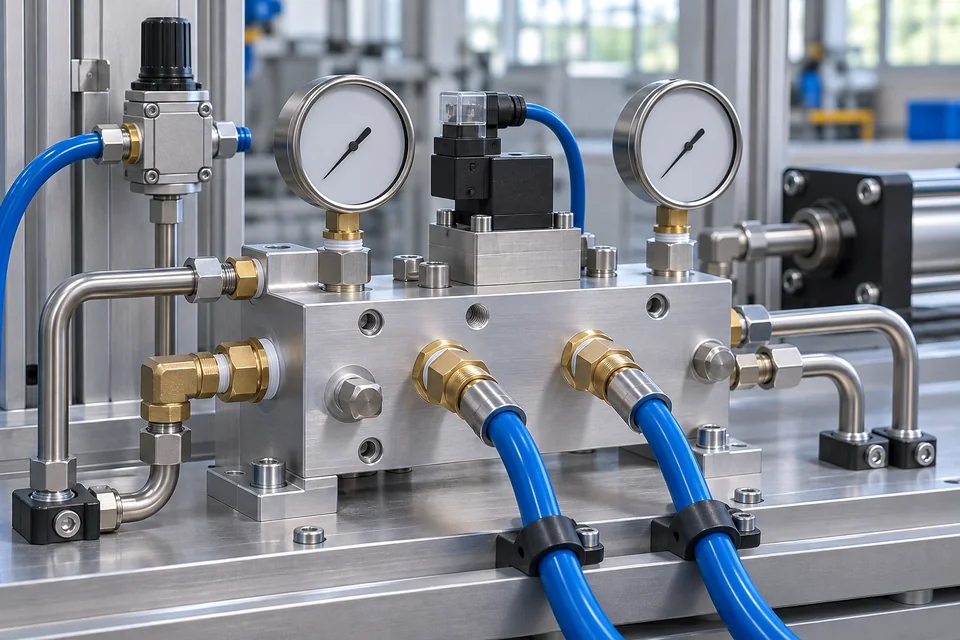
Fluid-handling equipment
Threaded fittings, sleeves and components with sealing or locating diameters.
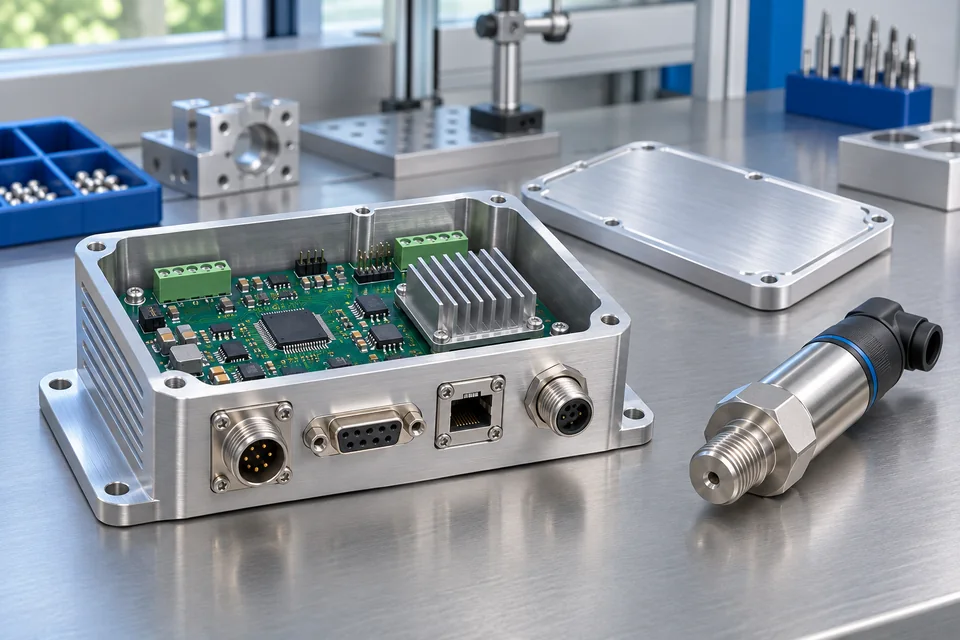
Instruments & sensors
Small housings, threaded interfaces and concentric mounting components.
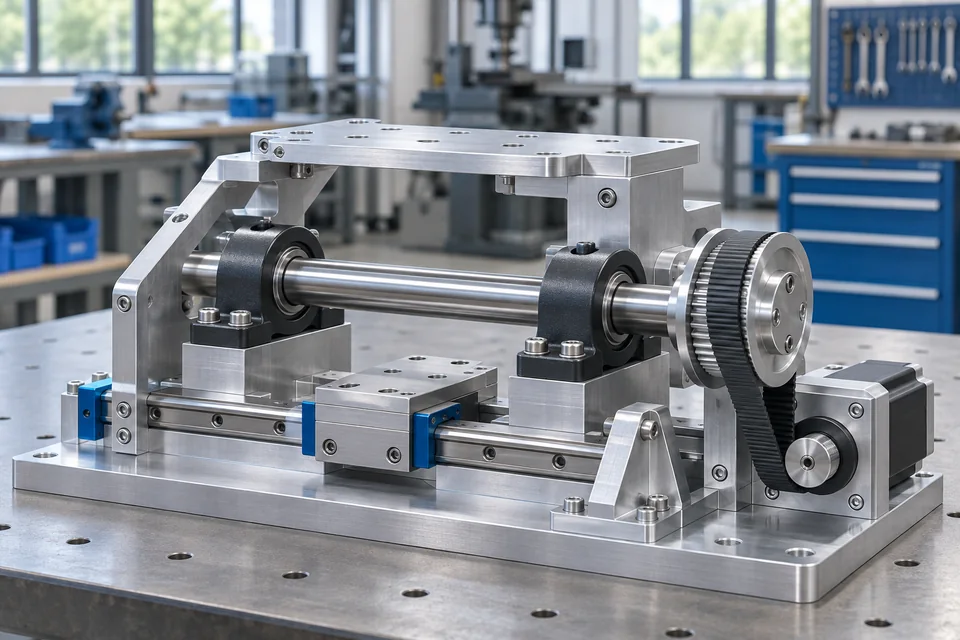
Machine assemblies
Shouldered parts and mating components with defined fit requirements.
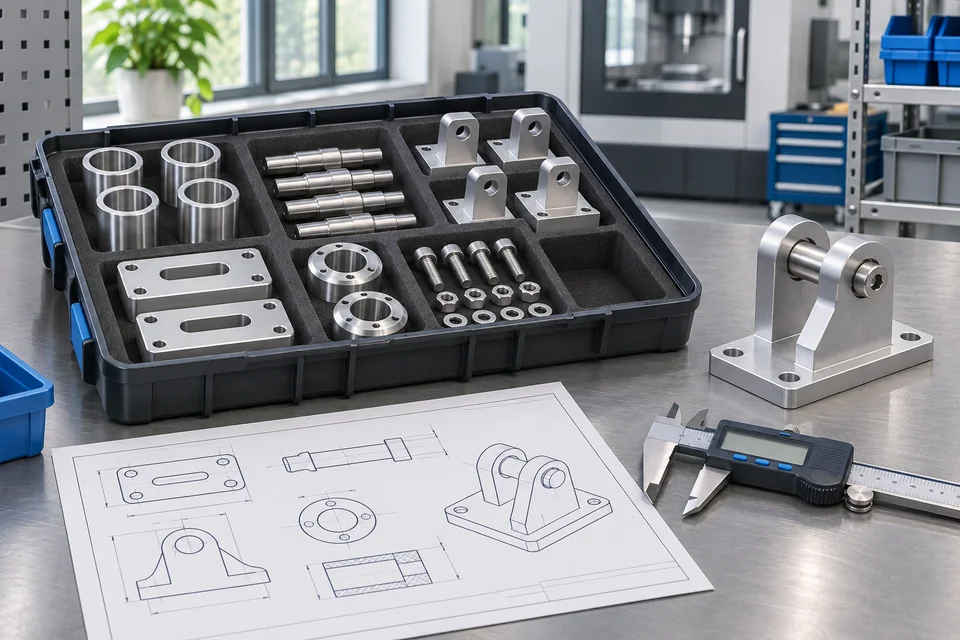
Recurring component supply
Repeat-order turned parts using the agreed drawing revision and inspection requirements.